Google Unveils Project Aura: The Future of Smart AI Glasses
2 min readWorld News
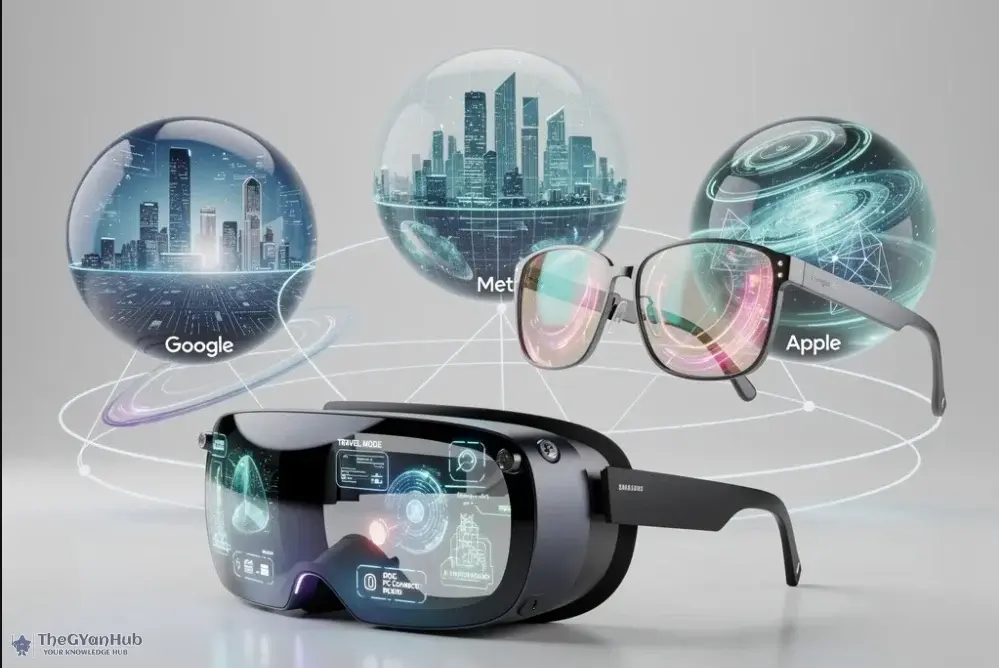
Google has recently previewed its groundbreaking Project Aura, a new line of smart AI glasses powered by Android XR. This innovative technology is poised to redefine the landscape of wearable devices, offering users an immersive augmented reality experience. With a planned launch in 2026, these glasses are set to integrate seamlessly into daily life, enhancing productivity and connectivity.
The Project Aura glasses are designed to offer a unique blend of virtual and augmented reality capabilities. Equipped with advanced AI, these glasses promise to deliver real-time information overlays, hands-free navigation, and enhanced communication features. Users can expect a lightweight design that prioritizes comfort without compromising on functionality.
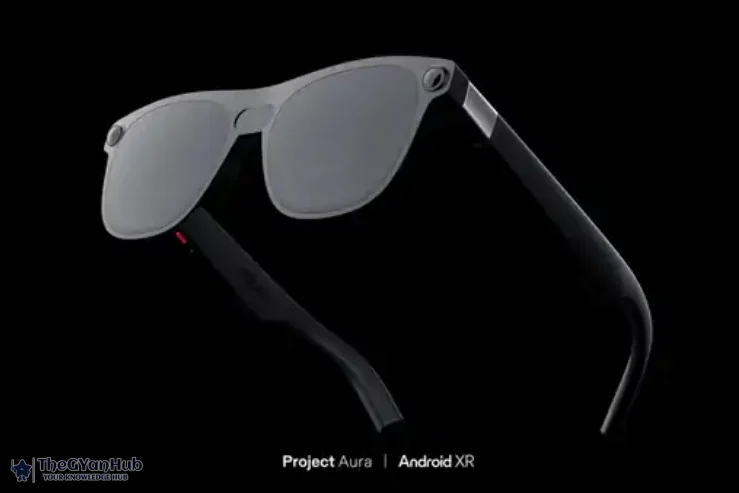
At the core of Project Aura is the Android XR platform, which provides a robust framework for developing immersive experiences. This platform supports a wide range of applications, from gaming to professional tools, making it versatile for both personal and business use. Google's commitment to innovation is evident in the seamless integration of AI, which enhances user interaction and personalization.
The introduction of Project Aura is expected to have a significant impact on the wearable technology market. By offering a product that combines cutting-edge technology with practical applications, Google is setting a new standard for smart glasses. Industry experts predict that this could lead to increased competition and innovation, ultimately benefiting consumers with more choices and better products.
Despite its promising features, Project Aura faces several challenges before it can achieve widespread adoption. Privacy concerns, battery life, and the need for a strong ecosystem of applications are some of the hurdles that Google will need to address. However, the company's track record of overcoming technological barriers suggests that these challenges are not insurmountable.
Google's Project Aura represents a significant leap forward in the realm of smart AI glasses. By leveraging the power of Android XR and AI, these glasses have the potential to transform how we interact with the world. As we await their official release in 2026, the anticipation continues to build for what could be a game-changing product in the tech industry.

May 11, 2026
Rahul Khona has made a significant return to Starbucks India as the Chief Technology Officer, bringing a wealth of experience to enhance the brand's technological advancements.

May 10, 2026
This article delves into the intricate dynamics of the coalition led by Vijay, highlighting the pivotal role played by the DMK amidst ongoing political maneuvers in Tamil Nadu.

April 29, 2026
Amazon is leveraging artificial intelligence to streamline its hiring process in anticipation of the upcoming festival rush. The company has also introduced a new AI design philosophy to enhance its operational efficiency.

I’m a passionate writer who loves exploring ideas, sharing stories, and connecting with readers through meaningful content.I’m dedicated to sharing insights and stories that make readers think, feel, and discover something new.