From Patna to Delhi: Politicians Who Stood Their Ground Against Eviction
3 min readWorld News
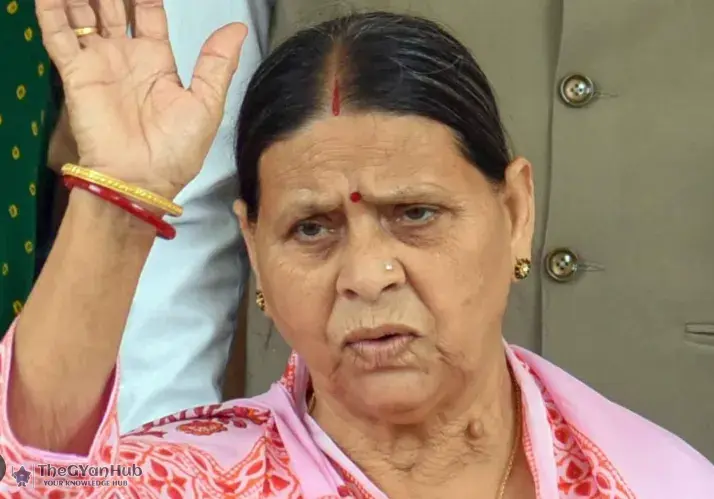
The distribution and retention of official residences frequently turn into a divisive topic in the political sphere. Two former Bihar chief ministers, Lalu Prasad and his wife Rabri Devi, have recently come under fire for being asked to leave properties that were given to them almost twenty years ago. Numerous politicians in India have encountered comparable difficulties, so this circumstance is not unique.
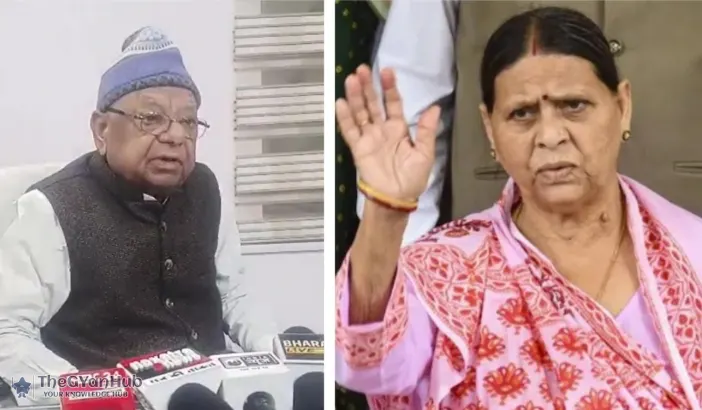
Rabri Devi and Lalu Prasad, two well-known figures in Bihar politics, are engaged in a legal dispute over their official residences. The premises, which were initially granted to them due to their positions, have come to symbolize their political history. Despite official orders, the couple has refused to move, citing a variety of reasons, including political hostility and security concerns.
This kind of resistance is common among politicians who view these residences as more than just places to live. They are often seen as status symbols and strategic assets in the political arena.
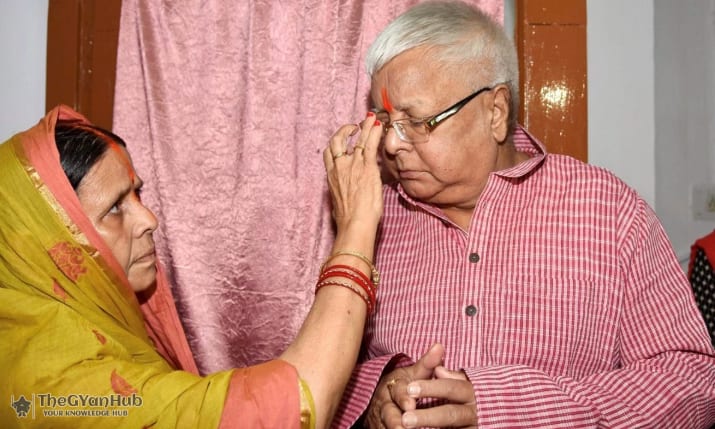
There are several reasons why politicians resist vacating official residences:
Symbolic Value: These homes often symbolize power and influence.
Strategic Location: Proximity to political hubs can be advantageous.
Security Concerns: Many politicians cite security as a primary reason for staying put.
Political Statement: Refusing to vacate can be a form of protest against the ruling party.
These factors contribute to the reluctance of politicians to comply with eviction orders, leading to prolonged legal battles and public debates.
The issue of politicians refusing to vacate official residences is not new. Over the years, several high-profile cases have made headlines. For instance, in Delhi, numerous politicians have faced similar eviction notices, leading to public outcry and political maneuvering.
These cases highlight a recurring theme in Indian politics, where the lines between personal and official entitlements often blur, leading to complex legal and ethical dilemmas.
Politicians' unwillingness to leave their official residences has wider ramifications for public opinion and governance. It calls into question both the accountability of public figures and the fair allocation of state resources. Furthermore, it illustrates the pervasive problems in the political system, where power relations frequently take precedence over legal requirements.
In order to ensure that public resources are used efficiently and fairly, it is crucial to address these concerns as the discussion progresses through open policies and just practices.
May 11, 2026
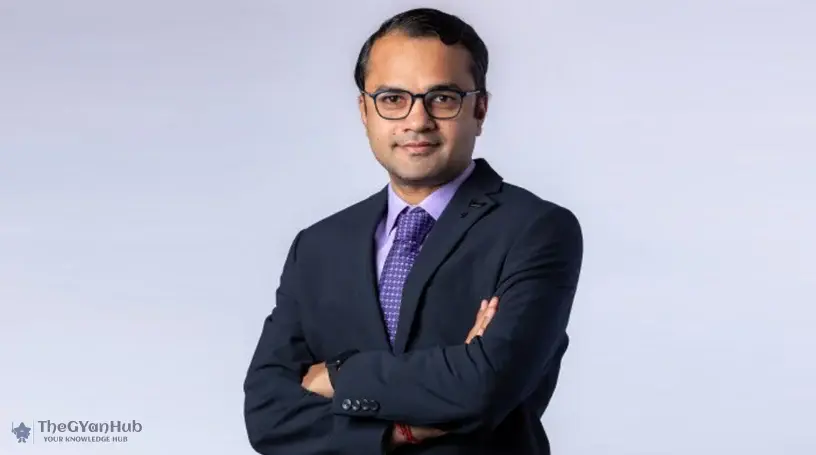
Rahul Khona has made a significant return to Starbucks India as the Chief Technology Officer, bringing a wealth of experience to enhance the brand's technological advancements.
May 10, 2026
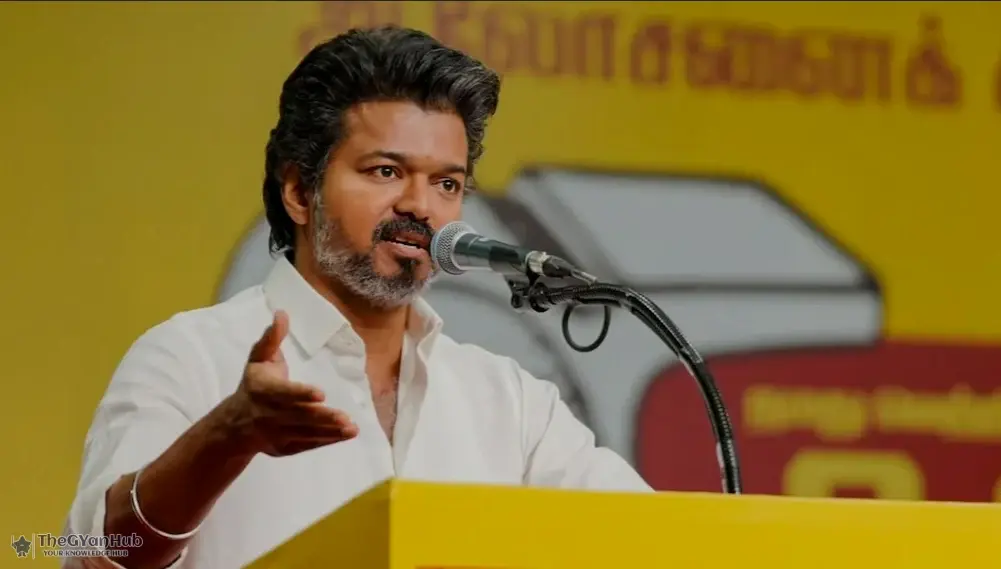
This article delves into the intricate dynamics of the coalition led by Vijay, highlighting the pivotal role played by the DMK amidst ongoing political maneuvers in Tamil Nadu.

April 29, 2026
Amazon is leveraging artificial intelligence to streamline its hiring process in anticipation of the upcoming festival rush. The company has also introduced a new AI design philosophy to enhance its operational efficiency.

I’m a passionate writer who loves exploring ideas, sharing stories, and connecting with readers through meaningful content.I’m dedicated to sharing insights and stories that make readers think, feel, and discover something new.