From IAS to AI Babu: The Transformation of Sarkari Naukri in India
3 min readWorld News
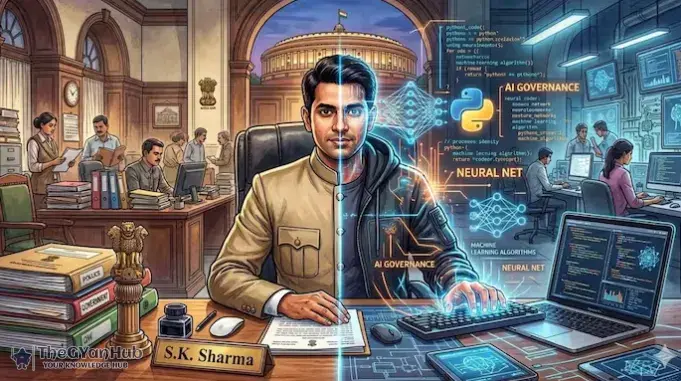
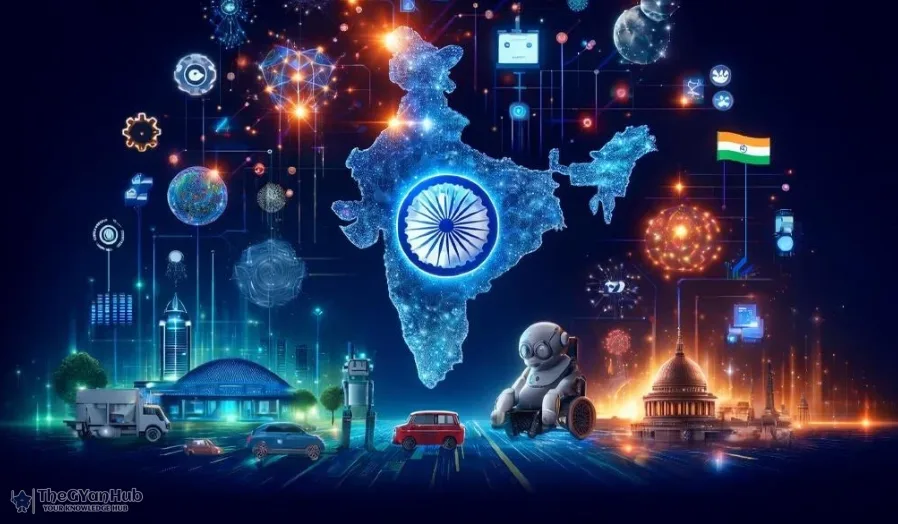
In recent years, the Indian government has been making significant strides in integrating technology into public service recruitment. The traditional role of the Indian Administrative Service (IAS) is evolving, with artificial intelligence (AI) now playing a pivotal role in shaping the future of Sarkari Naukri. This transformation is not just about modernization; it aims to improve efficiency, transparency, and service delivery across various government sectors.
The term 'AI Babu' refers to the new breed of bureaucrats who will leverage AI technologies to enhance decision-making processes. This shift is indicative of a broader trend where technology is being harnessed to streamline government operations. The integration of AI in Sarkari Naukri is expected to reduce bureaucratic delays and improve the overall effectiveness of public services.
For individuals aspiring to join the ranks of Sarkari Naukri, this evolution presents both challenges and opportunities. Job seekers will need to adapt to new skill requirements, including proficiency in AI tools and data analysis. The government is likely to introduce training programs aimed at equipping candidates with the necessary skills to thrive in this tech-driven environment.
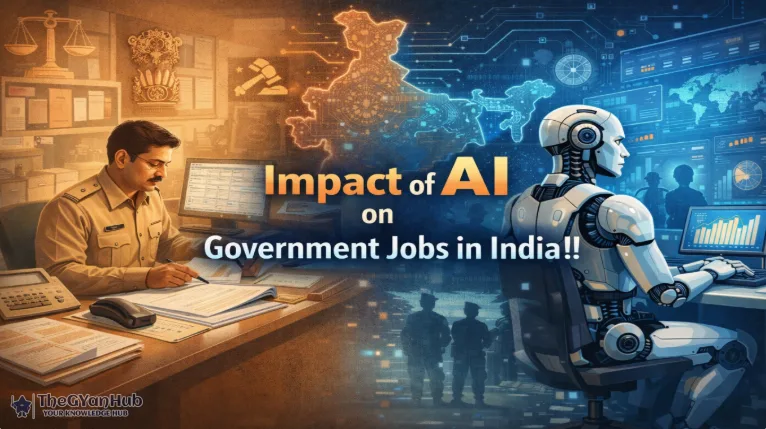
Increased Efficiency: AI can process vast amounts of data quickly, enabling faster decision-making.
Enhanced Transparency: AI systems can provide clear insights into government operations, reducing corruption and increasing accountability.
Improved Service Delivery: With AI, government services can be tailored to meet the specific needs of citizens more effectively.
Despite the promising benefits, the transition to AI-driven Sarkari Naukri is not without its challenges. Concerns regarding data privacy, the potential for job displacement, and the need for robust regulatory frameworks are paramount. Policymakers must address these issues to ensure a smooth transition.
India is not alone in this journey; many countries are exploring the integration of AI in public services. For instance, nations like Estonia and Singapore have successfully implemented AI solutions to enhance their bureaucratic processes. Learning from these global examples can provide valuable insights for India as it navigates its own path.
As the Indian government continues to invest in technology, the role of AI in Sarkari Naukri is expected to expand. Future initiatives may include the use of AI for predictive analytics in policy-making and enhanced citizen engagement through AI-powered platforms. This evolution represents a significant shift in how government services are delivered and managed.
The transition from IAS to AI Babu marks a significant milestone in the evolution of Sarkari Naukri in India. By embracing technology, the government aims to create a more efficient, transparent, and responsive public service framework. As this transformation unfolds, it will be crucial for job seekers and current employees to adapt to the new landscape of public service.

May 11, 2026
Rahul Khona has made a significant return to Starbucks India as the Chief Technology Officer, bringing a wealth of experience to enhance the brand's technological advancements.

May 10, 2026
This article delves into the intricate dynamics of the coalition led by Vijay, highlighting the pivotal role played by the DMK amidst ongoing political maneuvers in Tamil Nadu.

April 29, 2026
Amazon is leveraging artificial intelligence to streamline its hiring process in anticipation of the upcoming festival rush. The company has also introduced a new AI design philosophy to enhance its operational efficiency.

I’m a passionate writer who loves exploring ideas, sharing stories, and connecting with readers through meaningful content.I’m dedicated to sharing insights and stories that make readers think, feel, and discover something new.