FaceOff Tech: Empowering India's Responsible AI Vision in the Era of Deepfakes
3 min readArtificial Intelligence
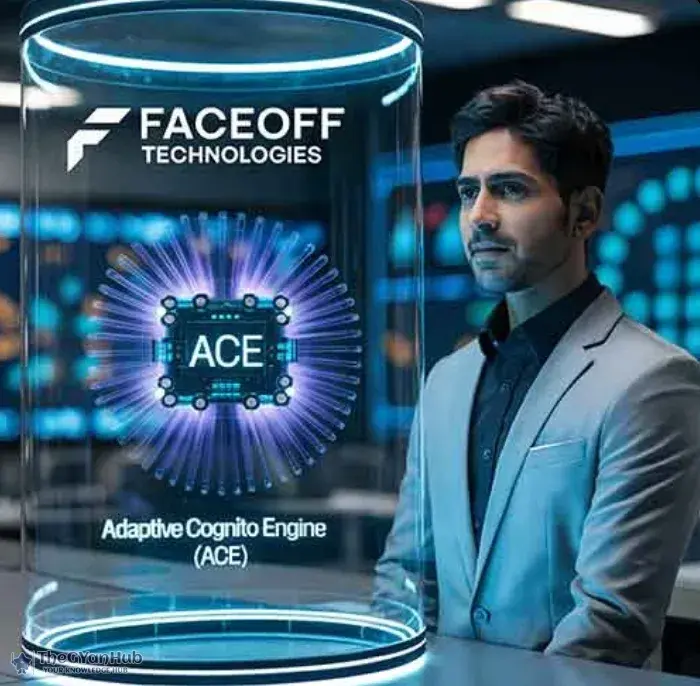
In an age where technology evolves at breakneck speed, the emergence of deepfakes has raised significant concerns regarding misinformation and digital integrity. FaceOff Tech is leading the charge in India to ensure that artificial intelligence (AI) is developed and utilized responsibly. This article delves into the company's vision and the broader implications of responsible AI in combating the challenges posed by deepfakes.

Deepfakes, which utilize AI to create hyper-realistic fake videos and audio, have become increasingly prevalent. These technologies can manipulate public perception, leading to misinformation and potential harm. As the technology becomes more accessible, the need for responsible AI practices has never been more critical.
Deepfake technology leverages machine learning algorithms to create synthetic media. By analyzing existing images and audio, these algorithms can produce content that appears genuine. However, the ethical implications of such technology are profound, necessitating a framework for responsible use.
FaceOff Tech aims to create a robust framework for responsible AI use in India. The company believes that technology should serve humanity and not undermine trust. Their approach includes developing tools that can detect deepfakes and educate the public about the risks associated with manipulated media.

Detection Tools: FaceOff Tech is developing advanced algorithms that can identify deepfake content with high accuracy.
Public Awareness Campaigns: The company is committed to educating the public about the dangers of deepfakes and how to recognize them.
Collaboration with Regulators: FaceOff Tech is working with government bodies to establish guidelines for the ethical use of AI technologies.
As AI technology advances, ethical considerations become paramount. FaceOff Tech emphasizes the importance of transparency and accountability in AI development. They advocate for policies that ensure AI technologies are used for the greater good, protecting individuals from potential misuse.
Trust is essential in the digital age. FaceOff Tech aims to build trust through transparency in their processes and by engaging with stakeholders, including policymakers, technologists, and the public. By fostering open dialogue, they hope to create a more informed society that can navigate the complexities of AI.
FaceOff Tech is pioneering a movement towards responsible AI in India, particularly in the context of deepfakes. Their commitment to ethical practices, innovative solutions, and public education is crucial in addressing the challenges posed by this technology. As we move forward, it is imperative that we harness AI responsibly to protect our society from the pitfalls of misinformation.

May 11, 2026
On National Technology Day, a striking trend emerges as India purchases an AI course every three minutes. This article explores whether this investment in AI education is truly yielding benefits.

April 28, 2026
The viral ChatGPT palm reader meme has ignited concerns about privacy, with many fearing that the CIA may have access to their fingerprints. This article explores the origins of the meme and the underlying anxieties it reflects.

April 27, 2026
OpenAI is venturing into the smartphone market with an innovative AI device that boasts agentic capabilities, posing a significant challenge to industry giants like Apple and Samsung. This article explores the potential impact of this groundbreaking technology.

I’m a passionate writer who loves exploring ideas, sharing stories, and connecting with readers through meaningful content.I’m dedicated to sharing insights and stories that make readers think, feel, and discover something new.