Digitally Distinguished Dominion: Orchestrating India’s Tech Sovereignty
3 min readArtificial Intelligence

In an era where technology dictates the pace of global development, India is making significant strides towards achieving tech sovereignty. The concept of tech sovereignty refers to a nation's ability to govern its technology landscape independently, ensuring that it can protect its data, enhance its digital infrastructure, and foster innovation. This article explores the various initiatives and strategies that India is implementing to establish itself as a digitally distinguished dominion.

Tech sovereignty is not just a buzzword; it is a necessity for nations aiming to secure their digital future. For India, a country with a burgeoning digital economy, achieving tech sovereignty means:
Protecting sensitive data from foreign surveillance.
Encouraging local innovation and entrepreneurship.
Reducing dependency on foreign technology.
Enhancing national security through robust cybersecurity measures.
As India continues to grow as a global tech hub, the need for self-reliance in technology becomes increasingly critical.
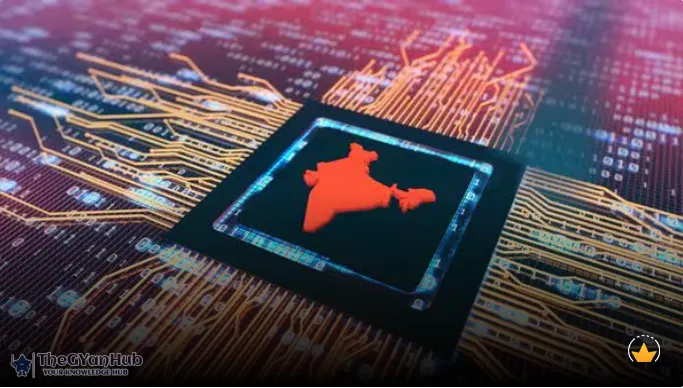
The Indian government has launched several initiatives aimed at bolstering tech sovereignty. Key programs include:
Digital India: A flagship initiative aimed at transforming India into a digitally empowered society and knowledge economy.
Make in India: This initiative encourages manufacturers to produce locally, thereby reducing reliance on imports.
Startup India: A campaign to promote entrepreneurship and innovation, providing support to startups across various sectors.
These initiatives are designed to create a conducive environment for technology development and innovation within the country.
While the journey towards tech sovereignty is promising, India faces several challenges:
Infrastructure Gaps: The need for improved digital infrastructure in rural and underserved areas remains a significant hurdle.
Cybersecurity Threats: As digitalization increases, so do the risks associated with cyber threats, necessitating robust security measures.
Skill Development: There is a pressing need for a skilled workforce that can drive innovation and manage advanced technologies.
Addressing these challenges is crucial for India to realize its vision of tech sovereignty.

The private sector plays a pivotal role in India's journey towards tech sovereignty. Companies are increasingly investing in research and development, fostering innovation, and collaborating with the government on various initiatives. Notable tech giants and startups are contributing to the ecosystem by:
Developing indigenous technologies.
Creating job opportunities in the tech sector.
Enhancing digital literacy among the population.
This collaboration between the government and private entities is essential for building a resilient tech landscape.
India's pursuit of tech sovereignty has significant implications on a global scale. As the country strengthens its digital capabilities, it positions itself as a key player in the global tech arena. This shift can lead to:
Increased foreign investment in India's tech sector.
Stronger partnerships with other nations in technology and innovation.
Enhanced competitiveness in the global market.
India's tech sovereignty journey is not just about self-reliance; it is about becoming a leader in the global technology landscape.
In conclusion, India’s quest for tech sovereignty is a multifaceted journey that encompasses government initiatives, private sector involvement, and overcoming significant challenges. As the nation continues to innovate and strengthen its digital infrastructure, it is poised to emerge as a digitally distinguished dominion on the global stage. The future of India’s tech landscape looks promising, and with continued efforts, the country can achieve its vision of a self-reliant and robust digital economy.
May 11, 2026
On National Technology Day, a striking trend emerges as India purchases an AI course every three minutes. This article explores whether this investment in AI education is truly yielding benefits.

April 28, 2026
The viral ChatGPT palm reader meme has ignited concerns about privacy, with many fearing that the CIA may have access to their fingerprints. This article explores the origins of the meme and the underlying anxieties it reflects.

April 27, 2026
OpenAI is venturing into the smartphone market with an innovative AI device that boasts agentic capabilities, posing a significant challenge to industry giants like Apple and Samsung. This article explores the potential impact of this groundbreaking technology.

I’m a passionate writer who loves exploring ideas, sharing stories, and connecting with readers through meaningful content.I’m dedicated to sharing insights and stories that make readers think, feel, and discover something new.