Amit Shah Rebuts Rahul Gandhi: EVMs First Used in 2004 During Congress Victory
3 min readWorld News
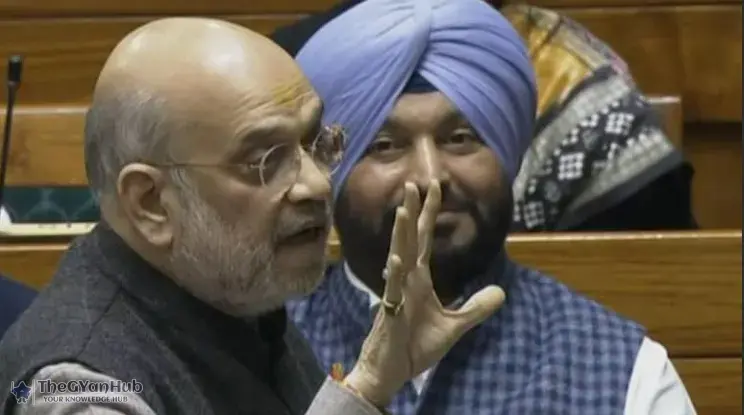
The debate over the use of Electronic Voting Machines (EVMs) in India has been a contentious issue for years. Recently, Union Home Minister Amit Shah addressed this controversy by pointing out that EVMs were first used in the 2004 elections, a year when the Congress party, led by Sonia Gandhi, secured a significant victory.
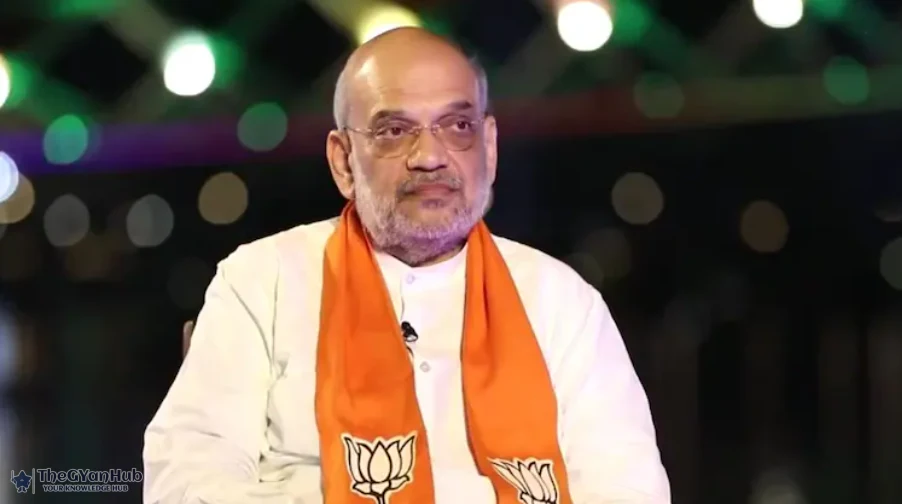
In a recent statement, Amit Shah countered Rahul Gandhi's allegations against the use of EVMs. Shah emphasized that it was during the Congress regime in 2004 that EVMs were first introduced on a large scale. He remarked that it is ironic for the Congress party to oppose EVMs now, given their successful use during a Congress victory.
Shah's comments came in response to Rahul Gandhi's persistent criticism of EVMs, which he claims are susceptible to manipulation. However, Shah argued that the introduction of EVMs was a step towards modernization and transparency in the electoral process.
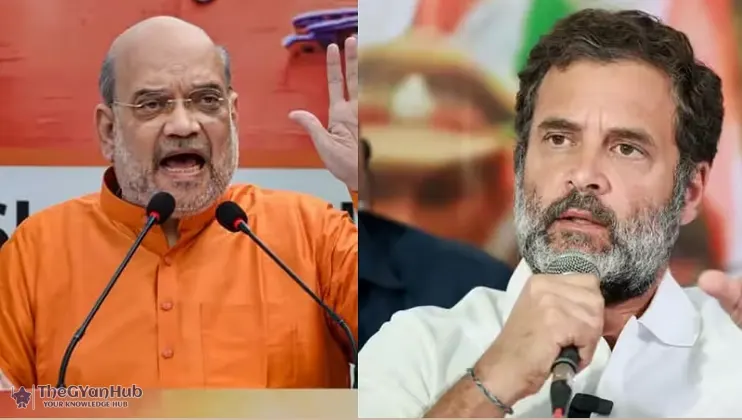
Electronic Voting Machines were first introduced in India in a limited capacity in the late 20th century. However, it was under the leadership of former Prime Minister Rajiv Gandhi that EVMs began to be considered for nationwide use. By 2004, EVMs were employed in general elections, marking a significant shift from traditional paper ballots.
This transition was seen as a move to enhance the efficiency and reliability of the electoral process. Despite initial skepticism, EVMs have been credited with reducing electoral fraud and speeding up the vote-counting process.
The opposition, led by figures like Rahul Gandhi, has raised concerns about the potential for EVM tampering. They argue that the machines could be manipulated to favor certain political parties. However, the Election Commission of India and the ruling government have repeatedly assured the public of the machines' integrity and security.
Amit Shah's recent statements are part of a broader effort by the government to defend the use of EVMs and dismiss allegations of electoral malpractice. He reiterated that the introduction of EVMs was a decision made during a Congress-led government, thereby questioning the opposition's current stance.
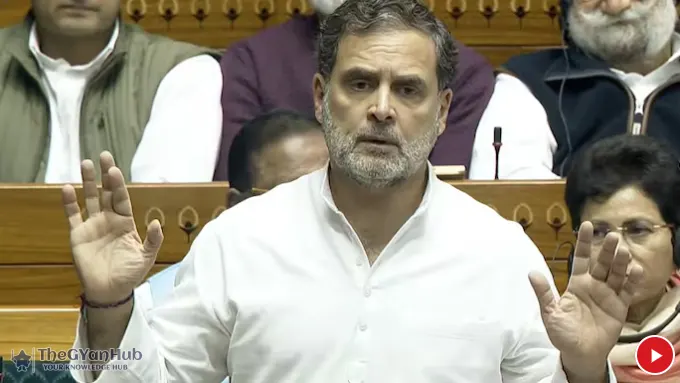
The debate over EVMs continues to be a polarizing issue in Indian politics. While the government maintains that EVMs are a reliable and secure method of conducting elections, the opposition remains skeptical. As the nation approaches future elections, the discourse around EVMs is likely to intensify.
May 11, 2026
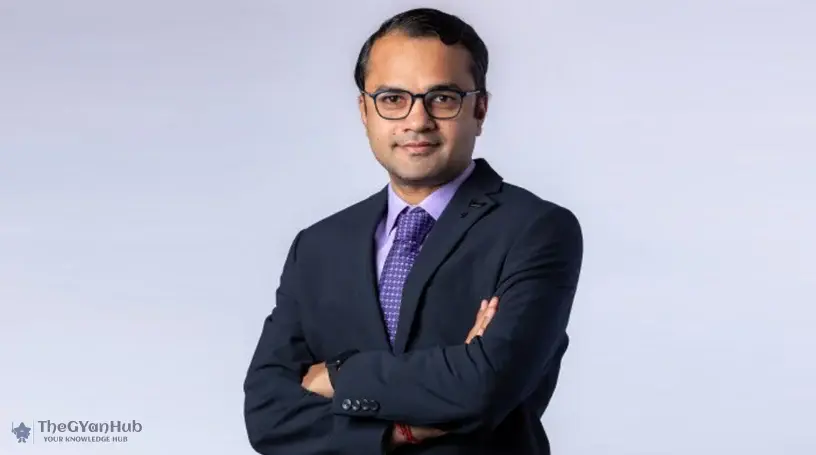
Rahul Khona has made a significant return to Starbucks India as the Chief Technology Officer, bringing a wealth of experience to enhance the brand's technological advancements.
May 10, 2026
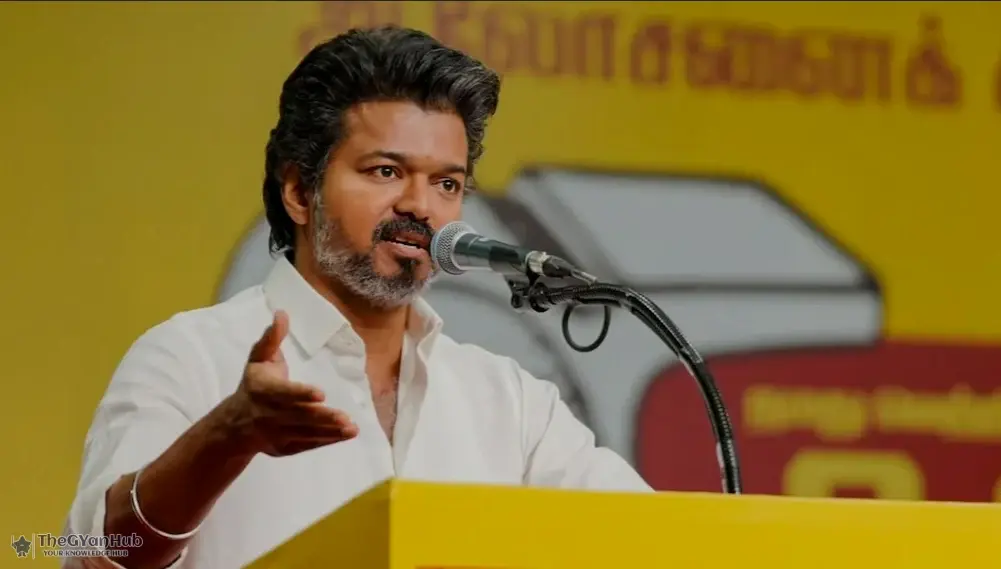
This article delves into the intricate dynamics of the coalition led by Vijay, highlighting the pivotal role played by the DMK amidst ongoing political maneuvers in Tamil Nadu.

April 29, 2026
Amazon is leveraging artificial intelligence to streamline its hiring process in anticipation of the upcoming festival rush. The company has also introduced a new AI design philosophy to enhance its operational efficiency.

I’m a passionate writer who loves exploring ideas, sharing stories, and connecting with readers through meaningful content.I’m dedicated to sharing insights and stories that make readers think, feel, and discover something new.