"American Mentality Must End": Tragic Story of Indian Techie Shot by US Police
2 min readWorld News
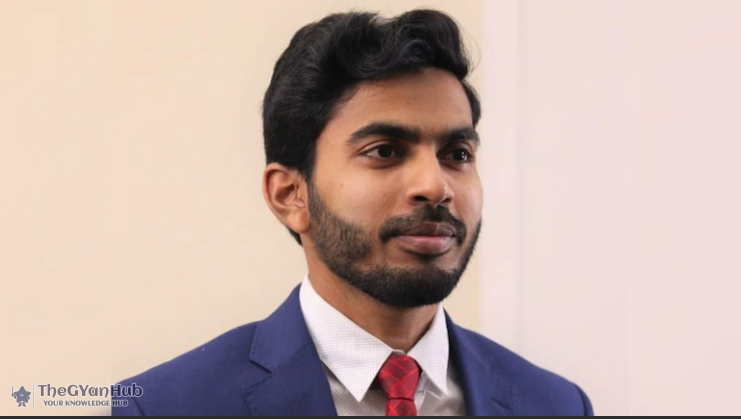
The tragic incident involving a 30-year-old Indian techie, Mohammed Nizamuddin, who was shot dead by police in California, has sparked widespread outrage and calls for justice. Before his untimely death, Nizamuddin reportedly faced severe harassment and racial discrimination at the hands of his former employer, colleagues, and even roommates. This article delves into the circumstances surrounding his death and the broader implications of racial bias in the United States.
On a fateful day in California, Nizamuddin was confronted by police officers under circumstances that remain contentious. Witnesses and reports suggest that the techie was not posing an immediate threat, raising questions about the use of lethal force. The incident has been a stark reminder of the challenges faced by minorities in the US, particularly those from South Asian backgrounds.
According to sources close to Nizamuddin, he had been subjected to ongoing harassment and racial discrimination. His former employer and colleagues reportedly created a hostile work environment, and his roommates allegedly went as far as poisoning his food. These allegations paint a grim picture of the systemic issues that continue to plague many immigrants in the US.
The incident has led to an outpouring of grief and anger from both the Indian community and human rights activists. Many are calling for a thorough investigation into the circumstances of Nizamuddin's death and the broader patterns of discrimination that may have contributed to it. There is a growing demand for accountability and reform in how law enforcement interacts with minority communities.
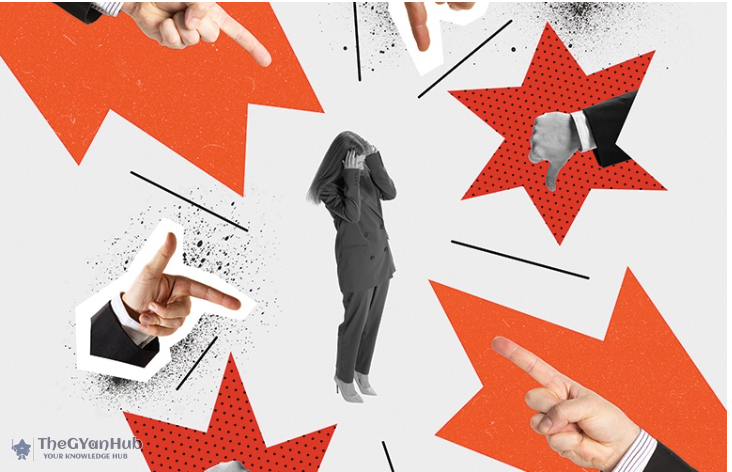
This tragic event has reignited discussions about racial bias and the need for systemic change in the US. It highlights the importance of addressing these issues not only within law enforcement but also in workplaces and communities. The call for an end to the "American mentality" of racial superiority is gaining momentum, with many advocating for more inclusive and equitable practices.
Mohammed Nizamuddin's death is a painful reminder of the work that remains to be done in combating racial discrimination and ensuring justice for all. As investigations continue, it is crucial for both the US and international communities to reflect on these issues and push for meaningful change.
February 23, 2026
The recent killing of Nemesio Rubén Oseguera Cervantes, known as 'El Mencho', has led to significant upheaval in Mexico as the Jalisco New Generation Cartel faces a power vacuum. This article explores the implications of his death on the drug trade and national security.
February 22, 2026
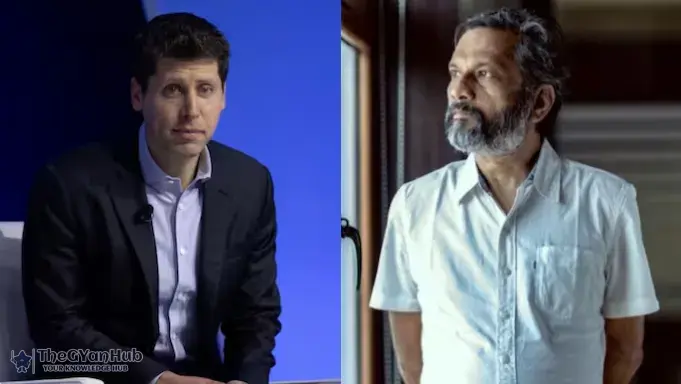
In a recent discussion, Sam Altman compared the energy consumption of AI systems to that of humans, prompting a strong rebuttal from Sridhar Vembu. This article explores their contrasting views on energy efficiency and sustainability.
February 20, 2026
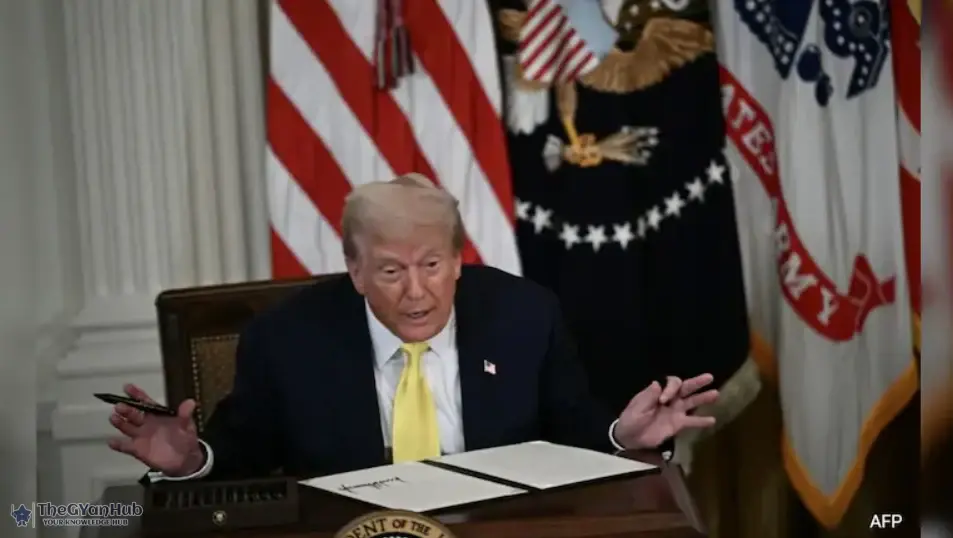
The US Supreme Court's decision to strike down Trump's Global Tariffs Policy may have significant implications for India, potentially reshaping trade dynamics. As New Delhi navigates this change, the global trade landscape could see a shift in power.

I’m a passionate writer who loves exploring ideas, sharing stories, and connecting with readers through meaningful content.I’m dedicated to sharing insights and stories that make readers think, feel, and discover something new.