How AI Could Transform Global Employment by 2030: Insights from WEF White Paper
3 min readArtificial Intelligence
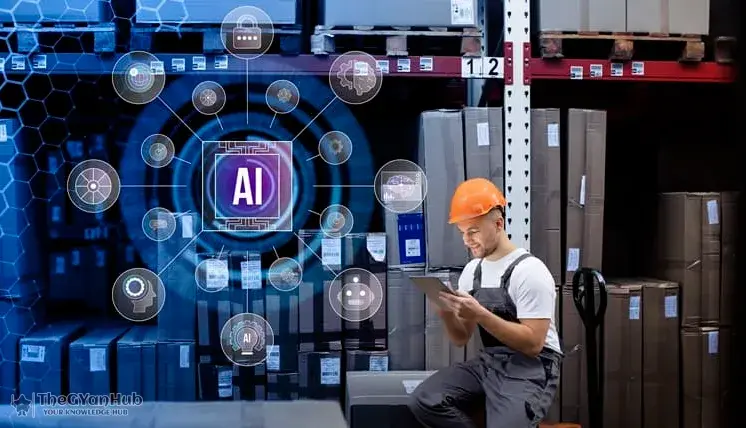
As we move further into the 21st century, the integration of artificial intelligence (AI) into various sectors is becoming increasingly prevalent. According to a recent white paper published by the World Economic Forum (WEF), AI is poised to transform the global job market by 2030. This transformation presents both opportunities and challenges for workers worldwide.
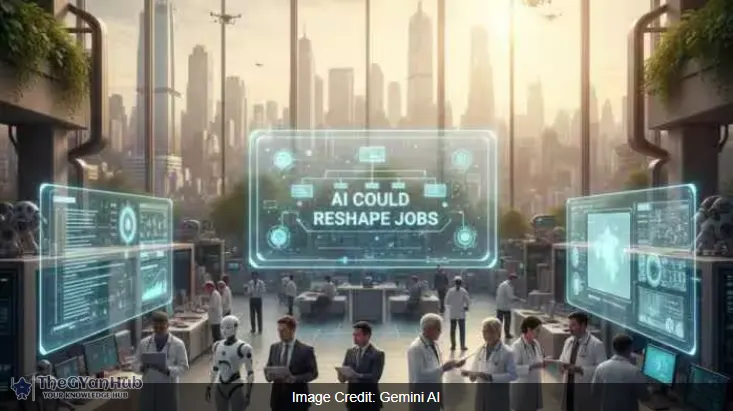
The WEF white paper outlines several critical insights regarding the future of work in an AI-driven world. Here are some of the major points:
Job Creation vs. Job Displacement: While AI is expected to create millions of new jobs, it will also render many existing roles obsolete. The balance between job creation and displacement will be crucial in shaping the future workforce.
Skills Gap: The rapid advancement of AI technology necessitates a workforce equipped with new skills. Upskilling and reskilling will be essential for employees to remain relevant in their fields.
Sector-Specific Changes: Different industries will experience varying degrees of impact from AI. For instance, sectors like manufacturing and transportation may see significant automation, while healthcare could benefit from AI-enhanced diagnostics and patient care.
Despite the challenges, the WEF report emphasizes the numerous opportunities that AI presents. For example, businesses can leverage AI to enhance productivity, streamline operations, and improve customer experiences. Additionally, AI can facilitate the creation of entirely new job categories that we cannot yet envision.
To effectively navigate the impending changes, both employers and employees must embrace a mindset of adaptability. Organizations should invest in training programs that prepare their workforce for the AI revolution. Furthermore, individuals must take proactive steps to acquire new skills and knowledge that align with the evolving job market.
While the potential benefits of AI are significant, the challenges it poses cannot be overlooked. Job displacement is a primary concern, particularly for low-skilled workers who may find it difficult to transition into new roles. Moreover, there is a risk of increased inequality if access to AI-driven opportunities is not equitably distributed.
Governments and policymakers play a critical role in shaping the future of work in an AI-driven economy. It is essential to develop policies that support workforce transitions, promote lifelong learning, and ensure that the benefits of AI are shared broadly across society.
The WEF's white paper serves as a wake-up call for businesses, workers, and policymakers alike. As AI continues to evolve, its impact on the global job market will be profound. By proactively addressing the challenges and seizing the opportunities presented by AI, we can create a future of work that is inclusive, equitable, and prosperous for all.

May 11, 2026
On National Technology Day, a striking trend emerges as India purchases an AI course every three minutes. This article explores whether this investment in AI education is truly yielding benefits.

April 28, 2026
The viral ChatGPT palm reader meme has ignited concerns about privacy, with many fearing that the CIA may have access to their fingerprints. This article explores the origins of the meme and the underlying anxieties it reflects.

April 27, 2026
OpenAI is venturing into the smartphone market with an innovative AI device that boasts agentic capabilities, posing a significant challenge to industry giants like Apple and Samsung. This article explores the potential impact of this groundbreaking technology.

I’m a passionate writer who loves exploring ideas, sharing stories, and connecting with readers through meaningful content.I’m dedicated to sharing insights and stories that make readers think, feel, and discover something new.