AI Reshaping Jobs: Why We Need Rules, Not Panic, According to UN Technology Envoy
3 min readArtificial Intelligence

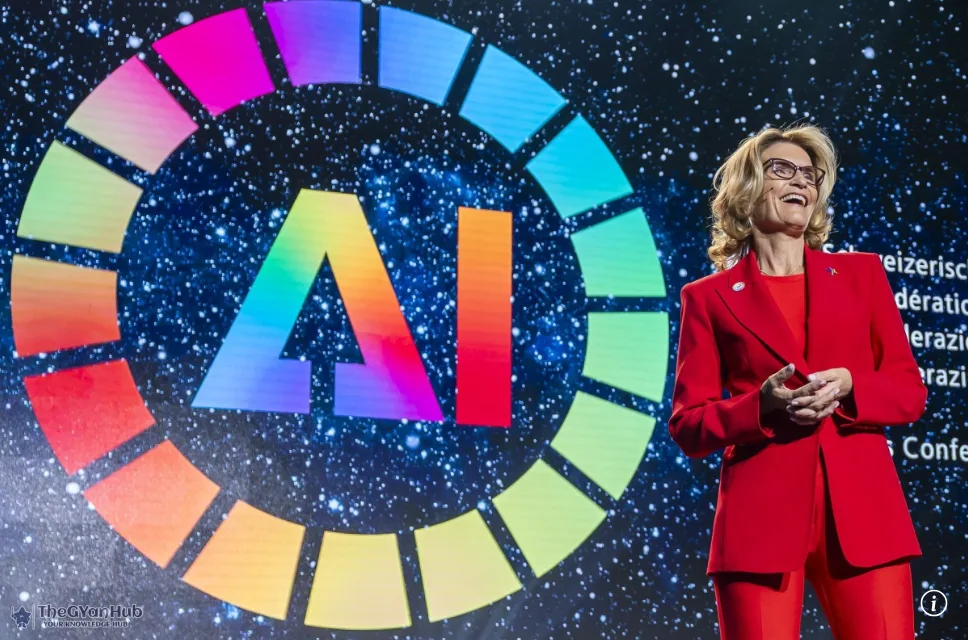
Artificial Intelligence (AI) is rapidly transforming various sectors, reshaping the job landscape in unprecedented ways. Dr. Amandeep Singh Gill, the UN's Technology Envoy, recently spoke to NDTV about the implications of AI on employment and the urgent need for regulatory frameworks. He described AI as one of the most powerful general-purpose technologies humanity has ever created, capable of both enhancing productivity and displacing jobs.
AI has the potential to revolutionize industries by automating mundane tasks, enabling workers to focus on more complex and creative responsibilities. This shift could lead to increased efficiency and innovation, fostering economic growth. For instance, sectors like healthcare, finance, and manufacturing are already witnessing significant improvements in productivity due to AI integration.
Despite its advantages, the rise of AI also raises concerns about job displacement. Many fear that automation will lead to widespread unemployment, particularly in low-skilled positions. Dr. Gill argues that while some jobs may disappear, new opportunities will emerge, necessitating a shift in workforce skills.
Dr. Gill stresses the importance of establishing rules and regulations to manage the impact of AI on jobs. He believes that proactive governance can help mitigate risks associated with AI, ensuring that its benefits are widely distributed. This includes creating policies that support workforce retraining and education, enabling workers to adapt to the changing job market.
To effectively regulate AI, international cooperation is essential. Dr. Gill advocates for a collaborative approach among nations to develop comprehensive frameworks that address ethical considerations, data privacy, and the socio-economic implications of AI. Such collaboration can lead to the creation of standards that promote responsible AI usage while safeguarding jobs.
Dr. Gill's message is clear: society must embrace the changes brought about by AI rather than succumb to panic. By focusing on the opportunities that AI presents, individuals and organizations can better prepare for the future. This involves fostering a culture of continuous learning and adaptability, where workers are encouraged to upskill and reskill.
The conversation around AI and jobs is complex, requiring a balanced approach that considers both the potential benefits and challenges. As AI continues to evolve, it is crucial for policymakers, businesses, and educators to work together to create a future where technology enhances human capabilities rather than diminishes them.
May 11, 2026
On National Technology Day, a striking trend emerges as India purchases an AI course every three minutes. This article explores whether this investment in AI education is truly yielding benefits.

April 28, 2026
The viral ChatGPT palm reader meme has ignited concerns about privacy, with many fearing that the CIA may have access to their fingerprints. This article explores the origins of the meme and the underlying anxieties it reflects.

April 27, 2026
OpenAI is venturing into the smartphone market with an innovative AI device that boasts agentic capabilities, posing a significant challenge to industry giants like Apple and Samsung. This article explores the potential impact of this groundbreaking technology.

I’m a passionate writer who loves exploring ideas, sharing stories, and connecting with readers through meaningful content.I’m dedicated to sharing insights and stories that make readers think, feel, and discover something new.