Wipro Enterprises Sets Its Sights on India's Semiconductor Sector
3 min readTechnology

In a significant development for the Indian technology landscape, Wipro Enterprises has announced its intention to enter the semiconductor sector. This move comes as India positions itself as a global hub for semiconductor manufacturing, driven by increasing demand for electronic components across various industries.
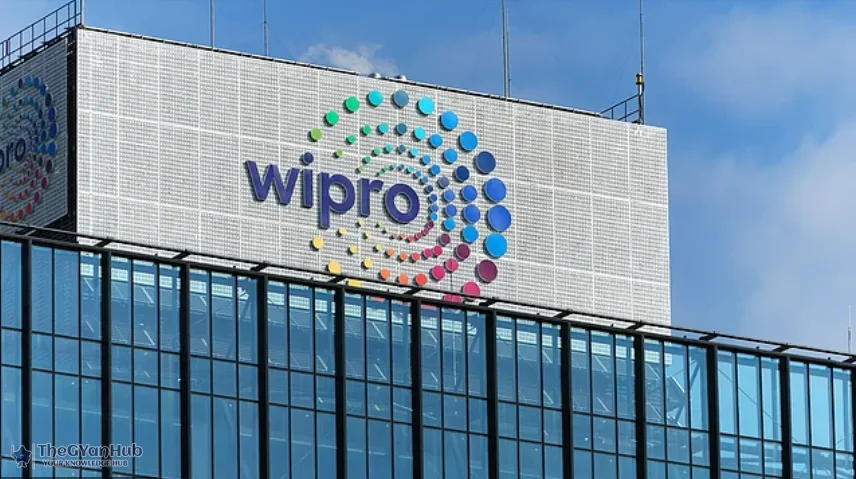
The semiconductor industry is experiencing unprecedented growth, fueled by advancements in technology and the rising need for electronic devices. According to industry reports, the global semiconductor market is expected to reach $1 trillion by 2030, with India playing a crucial role in this expansion.
India's government has been proactive in promoting semiconductor manufacturing through initiatives such as the Production-Linked Incentive (PLI) scheme, which aims to attract investments and boost local production. As a result, several multinational companies have already established or announced plans for semiconductor manufacturing facilities in the country.
Wipro Enterprises, a leading player in the IT services sector, is now looking to diversify its portfolio by entering the semiconductor market. The company's management believes that leveraging its existing technological expertise and resources will enable it to compete effectively in this new domain.
“We see immense potential in the semiconductor sector, and our entry will not only enhance our capabilities but also contribute to India's vision of becoming a global semiconductor hub,” said a Wipro spokesperson.
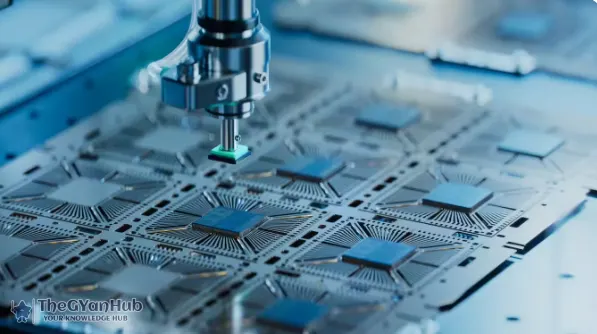
While the prospects for Wipro's entry into the semiconductor sector are promising, the company will face several challenges. The semiconductor industry is highly competitive, with established players dominating the market. Additionally, the complexities involved in semiconductor manufacturing require significant investment in research and development.
Investment Requirements: Entering the semiconductor sector will necessitate substantial capital investment in manufacturing facilities and technology.
Talent Acquisition: The industry demands highly skilled professionals, and attracting top talent will be crucial for Wipro's success.
Supply Chain Management: Establishing a robust supply chain is essential for timely production and delivery of semiconductor components.
Wipro's foray into the semiconductor sector could have far-reaching implications for the Indian economy. By investing in local manufacturing, the company could help create jobs, stimulate innovation, and reduce dependence on imported semiconductor components.
Moreover, Wipro's entry may encourage other companies to explore opportunities in the semiconductor space, further bolstering India's position in the global technology landscape.

As Wipro Enterprises prepares to enter the semiconductor sector, the company is poised to play a pivotal role in shaping the future of India's technology industry. With the right strategies and investments, Wipro can not only enhance its business portfolio but also contribute significantly to the growth of the semiconductor ecosystem in India.

May 5, 2026
Samsung may have inadvertently revealed details about the upcoming Galaxy Z Fold 8 and a new Wide Fold variant. This leak has generated significant buzz ahead of the official launch.

April 29, 2026
Rumors are swirling about the potential release of the Apple iPhone Ultra and MacBook Ultra. Here's what we can expect from these upcoming devices.

March 20, 2026
The iQOO Z11 is set to launch on March 26, featuring an impressive 9,020mAh battery and a stunning 165Hz display, promising to redefine smartphone performance.

I’m a passionate writer who loves exploring ideas, sharing stories, and connecting with readers through meaningful content.I’m dedicated to sharing insights and stories that make readers think, feel, and discover something new.