What Happens to Your Social Media Account After You Die? Meta's Insights
3 min readTechnology

In today's interconnected world, social media has become an integral part of our lives. But what happens to these digital identities when we pass away? This question has gained prominence as more individuals recognize the importance of their online presence. Meta, the parent company of Facebook and Instagram, is addressing this issue by providing options for users to manage their accounts after death.
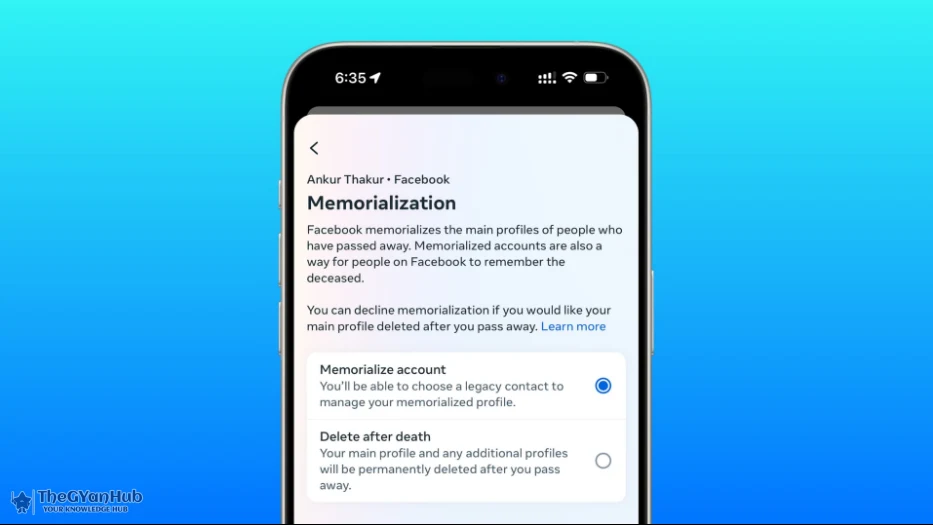
Meta has implemented several features to help users control their social media accounts after they die. One of the primary options is the ability to designate a legacy contact. This trusted individual can manage your account, ensuring that your memory is preserved in a respectful manner.
A legacy contact is someone you choose to manage your account after your death. This person can post a final message, update your profile picture, and respond to friend requests. However, they cannot access your private messages or delete your account. This feature allows for a thoughtful remembrance of your life while maintaining your privacy.
Setting up a legacy contact on Facebook is a straightforward process. Here’s how you can do it:
Go to your Facebook settings.
Click on 'Memorialization Settings.'
Select 'Add Legacy Contact' and choose a trusted friend or family member.
Once this is set up, your legacy contact will be notified and can take action on your account when the time comes.
Besides appointing a legacy contact, Meta also offers the option to memorialize accounts. When an account is memorialized, it becomes a place for friends and family to share memories and celebrate the life of the deceased. The word 'Remembering' appears next to the name, and the account is protected from any changes or deletions.
Upon memorialization, the account's privacy settings are locked, ensuring that only friends can view the profile. This means that personal information and posts remain secure, allowing loved ones to reminisce without the risk of unwanted interactions.
While Meta has taken significant steps in managing accounts after death, other social media platforms have their own policies. For instance, Twitter allows users to request the deactivation of a deceased person's account, while Instagram also offers memorialization options similar to Facebook.
Understanding what happens to our social media accounts after death is crucial in today's digital landscape. As our online identities continue to grow, so does the need for clear policies regarding their management posthumously. By taking proactive steps, individuals can ensure their digital legacies are handled according to their wishes.
As we embrace the digital age, it is essential to consider the implications of our online presence beyond our lifetime. Meta's initiatives provide a framework for managing social media accounts after death, allowing individuals to maintain control over their digital legacies. By setting up a legacy contact and understanding memorialization options, users can ensure their memories are honored and preserved.

May 5, 2026
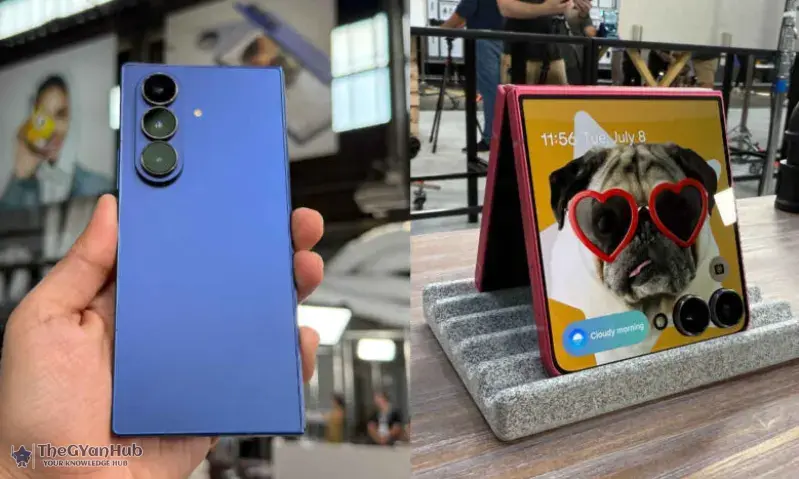
Samsung may have inadvertently revealed details about the upcoming Galaxy Z Fold 8 and a new Wide Fold variant. This leak has generated significant buzz ahead of the official launch.
April 29, 2026
Rumors are swirling about the potential release of the Apple iPhone Ultra and MacBook Ultra. Here's what we can expect from these upcoming devices.

March 20, 2026
The iQOO Z11 is set to launch on March 26, featuring an impressive 9,020mAh battery and a stunning 165Hz display, promising to redefine smartphone performance.

I’m a passionate writer who loves exploring ideas, sharing stories, and connecting with readers through meaningful content.I’m dedicated to sharing insights and stories that make readers think, feel, and discover something new.