Trump's Shift: Why Europe is Crucial in His Iran Strategy
3 min readWorld News
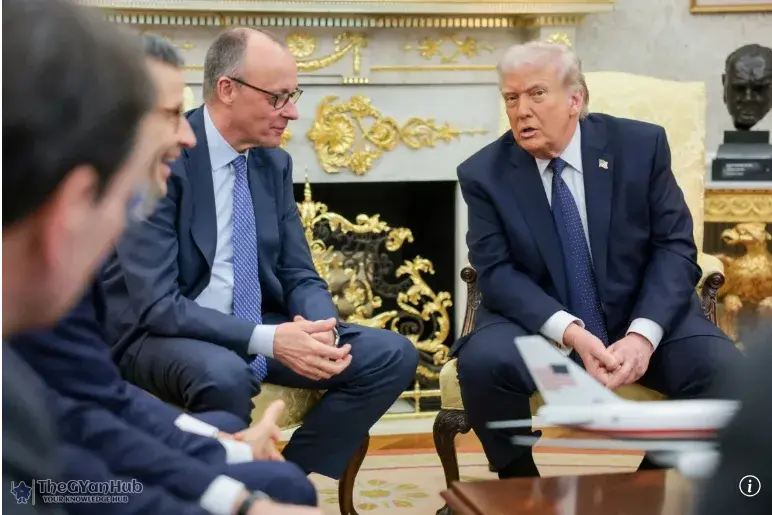
In a surprising turn of events, President Donald Trump has found himself in a position where he must rely on European allies as tensions escalate in Iran. For years, Trump has criticized Europe for its dependency on the United States for security, but the current geopolitical climate is forcing a reevaluation of these relationships.
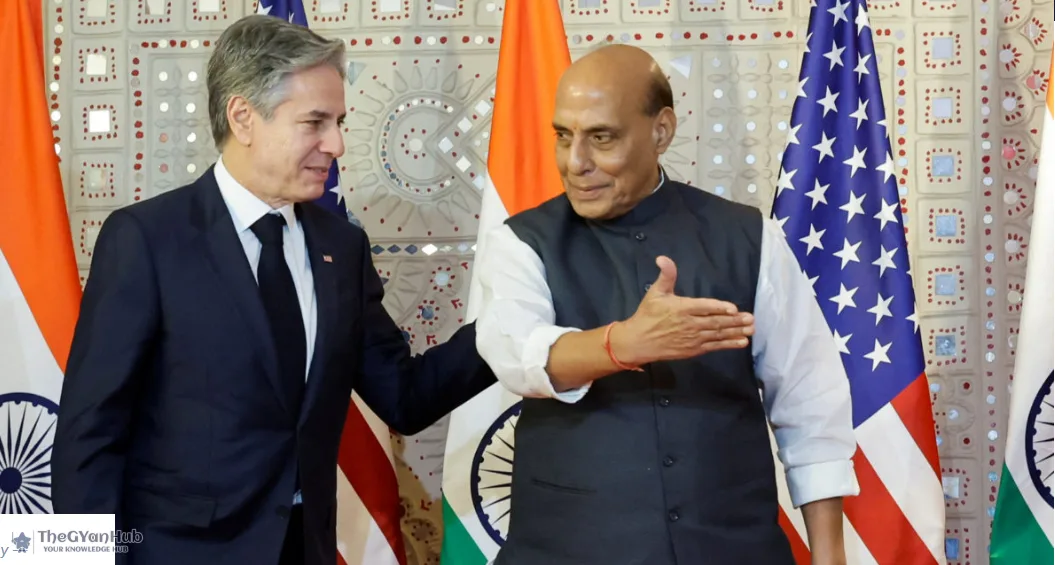
Historically, the United States has maintained a strong military presence in Europe, a strategy designed to deter potential threats from adversaries. However, Trump's administration has often portrayed Europe as complacent, leading to a strained relationship between the two sides. This tension has been exacerbated by Trump's unilateral decisions, such as withdrawing from the Iran nuclear deal.
Trump's administration has frequently criticized European nations for not contributing enough to NATO and relying too heavily on American military support. This rhetoric has created a divide, with many European leaders feeling alienated by Trump's approach.
The situation in Iran has escalated, with increasing military tensions and threats from both sides. As the U.S. considers military action, the need for a united front with European allies has become more apparent. Trump's previous stance of isolationism is now being challenged by the realities of international diplomacy.
Europe's role in the current conflict is crucial for several reasons:
Military Support: European nations have significant military capabilities that can complement U.S. forces.
Diplomatic Leverage: Europe can provide a platform for negotiations, potentially easing tensions with Iran.
Economic Sanctions: Coordinated sanctions from both the U.S. and Europe can have a greater impact on Iran's economy.
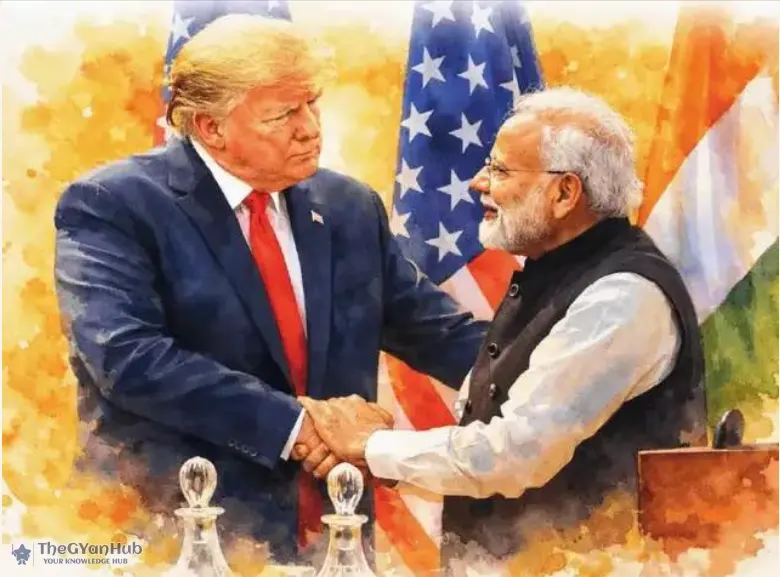
Despite the potential for collaboration, several challenges remain. European leaders are wary of Trump's unpredictable nature and his tendency to act unilaterally. Additionally, there are differing opinions within Europe about how to approach Iran, with some countries advocating for diplomacy while others support a more aggressive stance.
Public sentiment in Europe towards the U.S. has shifted, with many citizens expressing skepticism about Trump's leadership. This skepticism could complicate efforts to forge a united front against Iran, as European leaders must balance domestic pressures with international obligations.
As President Trump navigates the complex landscape of international relations in the context of the Iran conflict, the importance of European allies cannot be overstated. The evolving dynamics between the U.S. and Europe will play a critical role in shaping the future of U.S. foreign policy and the stability of the Middle East.
May 11, 2026
Rahul Khona has made a significant return to Starbucks India as the Chief Technology Officer, bringing a wealth of experience to enhance the brand's technological advancements.
May 10, 2026
This article delves into the intricate dynamics of the coalition led by Vijay, highlighting the pivotal role played by the DMK amidst ongoing political maneuvers in Tamil Nadu.

April 29, 2026
Amazon is leveraging artificial intelligence to streamline its hiring process in anticipation of the upcoming festival rush. The company has also introduced a new AI design philosophy to enhance its operational efficiency.

I’m a passionate writer who loves exploring ideas, sharing stories, and connecting with readers through meaningful content.I’m dedicated to sharing insights and stories that make readers think, feel, and discover something new.