Exploring the Future: Space, AI, and Clean Energy in India's 2026 Budget
3 min readWorld News
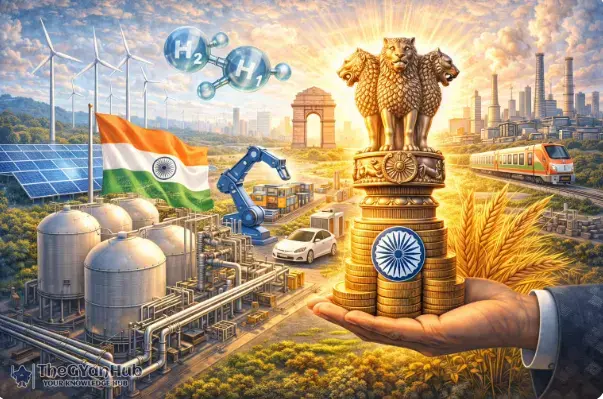
The recent budget presented by the Indian government has set the stage for a transformative approach towards key sectors such as space, artificial intelligence (AI), and clean energy. As we look ahead to the 2026 budget, understanding the implications of these investments is crucial for stakeholders across various industries.
India's space program has gained international acclaim, particularly with the success of missions like Chandrayaan and Mangalyaan. The government has allocated significant resources to enhance capabilities in satellite technology and interplanetary exploration. This focus not only aims to position India as a leader in space technology but also to foster innovation and collaboration with global space agencies.

Expansion of launch facilities
Development of satellite manufacturing units
Collaboration with private sector players
These investments are expected to create a robust infrastructure that supports both governmental and private space missions. The emphasis on public-private partnerships is particularly noteworthy, as it encourages innovation and accelerates project timelines.
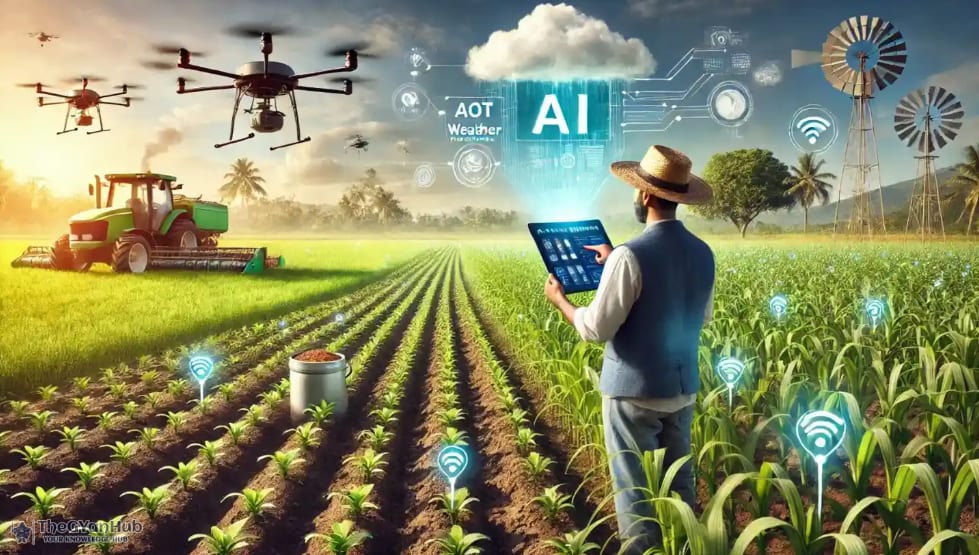
AI is poised to revolutionize various sectors, from healthcare to agriculture. The government's commitment to integrating AI into public services is evident in the last budget, which allocated funds for research and development in this field. By harnessing AI, India aims to improve efficiency and service delivery across multiple domains.

Establishment of AI research centers
Funding for AI startups
Training programs for workforce upskilling
These initiatives are designed to create a skilled workforce that can leverage AI technologies effectively, ensuring that India remains competitive in the global market.
With climate change becoming an increasingly pressing issue, the focus on clean energy in the budget reflects a commitment to sustainability. Investments in renewable energy sources such as solar and wind power are crucial for reducing carbon emissions and promoting energy independence.
Subsidies for renewable energy projects
Tax incentives for clean energy investments
Support for research in energy storage technologies
These policies are expected to attract both domestic and foreign investments, paving the way for a greener economy. The transition to clean energy not only addresses environmental concerns but also creates job opportunities in emerging sectors.
The insights gained from the last budget highlight a strategic direction for India's economic development, focusing on space, AI, and clean energy. As the country prepares for the 2026 budget, these sectors will likely play a pivotal role in shaping policies and investments that drive growth and innovation.

May 11, 2026
Rahul Khona has made a significant return to Starbucks India as the Chief Technology Officer, bringing a wealth of experience to enhance the brand's technological advancements.

May 10, 2026
This article delves into the intricate dynamics of the coalition led by Vijay, highlighting the pivotal role played by the DMK amidst ongoing political maneuvers in Tamil Nadu.

April 29, 2026
Amazon is leveraging artificial intelligence to streamline its hiring process in anticipation of the upcoming festival rush. The company has also introduced a new AI design philosophy to enhance its operational efficiency.

I’m a passionate writer who loves exploring ideas, sharing stories, and connecting with readers through meaningful content.I’m dedicated to sharing insights and stories that make readers think, feel, and discover something new.