Qatar Issues Dire Warning: Potential for Region-Wide War as Trump Considers Iran Strikes
3 min readEducation
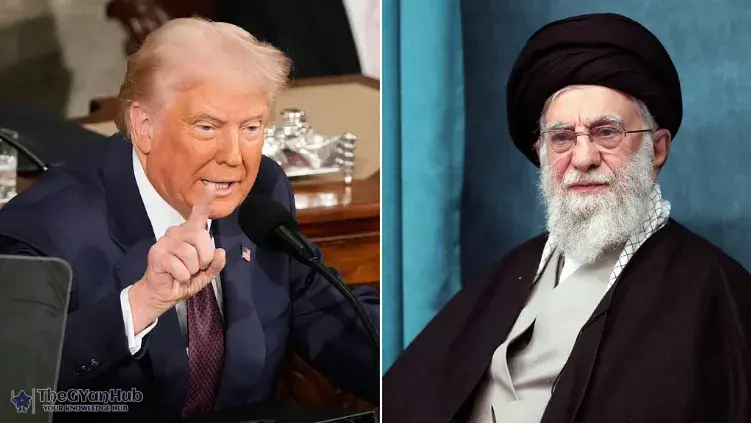
In a recent statement, Qatar has expressed grave concerns regarding the escalating military tensions between the United States and Iran. The warning comes after the U.S. government hinted at potential strikes against Iran in response to a violent crackdown on protests within the Islamic republic. Qatar's foreign minister emphasized that such military actions could lead to catastrophic consequences for the entire region.
The backdrop of this warning is rooted in the ongoing turmoil in Iran, where protests have erupted over various socio-political issues. The Iranian government has responded with force, leading to international condemnation and calls for restraint. The U.S. has threatened military action as a means to address the situation, raising fears of a broader conflict.
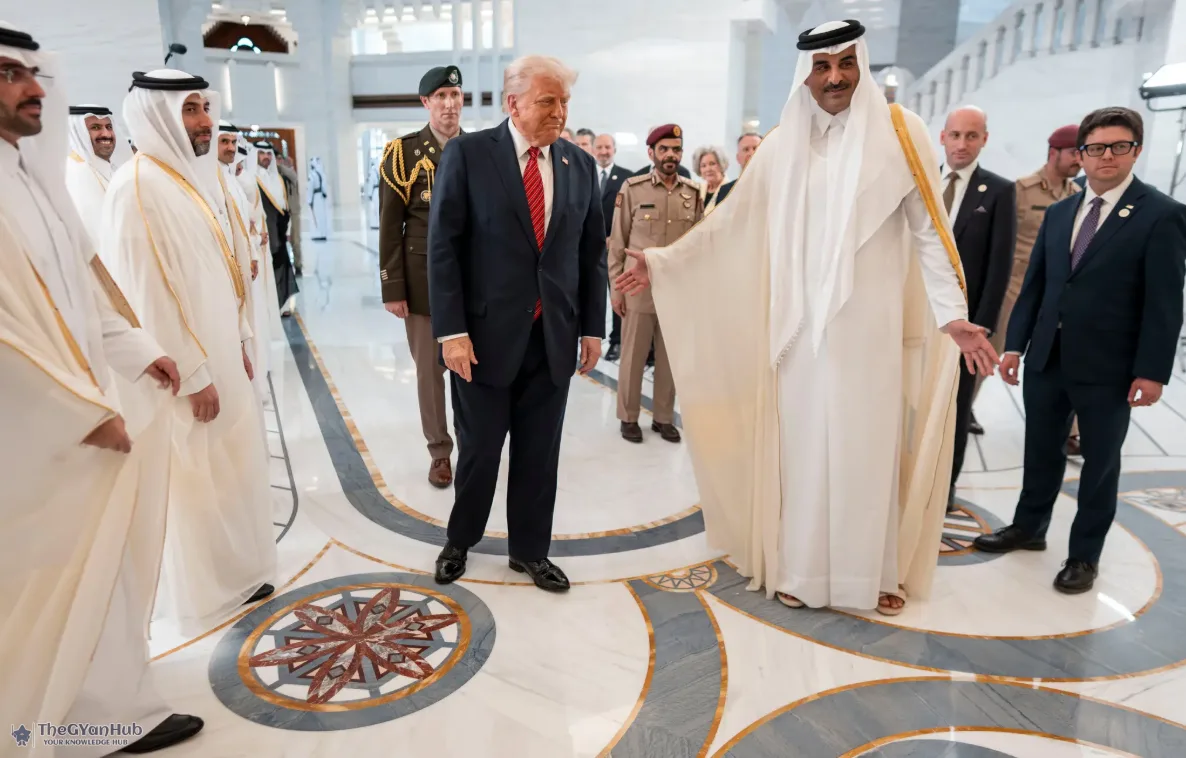
Qatar's foreign minister articulated that any military escalation could destabilize the already fragile situation in the Middle East. The region has a history of conflicts that have had far-reaching effects, not just locally but globally. Analysts warn that a U.S. strike could provoke retaliatory actions from Iran, potentially drawing in neighboring countries and escalating into a full-scale war.
The international community has been closely monitoring the situation. Countries like Russia and China have voiced their opposition to U.S. military interventions, advocating for diplomatic solutions instead. The United Nations has also called for restraint, urging both parties to engage in dialogue to resolve their differences peacefully.
As a key player in the Gulf Cooperation Council (GCC), Qatar has often positioned itself as a mediator in regional conflicts. Its warning serves as a reminder of the delicate balance of power in the Middle East. Qatar's leadership has historically advocated for dialogue over military solutions, emphasizing the need for a unified approach to regional stability.
Should military action be taken, the consequences could be dire. Experts predict that a conflict could lead to:
Increased refugee crises as civilians flee conflict zones.
Disruption of oil supplies, leading to global economic repercussions.
Heightened sectarian tensions within the region.
These potential outcomes highlight the urgent need for diplomatic engagement to prevent a catastrophic escalation.
As the situation unfolds, the world watches closely. The stakes are high, and the call for peace and dialogue has never been more critical. Qatar's warning serves as a crucial reminder of the potential consequences of military action in a region already fraught with tension.

February 25, 2026
India Chip has officially commenced construction on a new semiconductor factory in Noida, with plans to process 20,000 wafers per month once operational. This development marks a significant step in India's semiconductor manufacturing capabilities.

February 24, 2026
Actor Vijay's potential candidacy in North Chennai for the upcoming Tamil Nadu Assembly elections has created significant excitement among voters, especially in the DMK stronghold. This development follows a statement from TVK's general secretary, Aadhav Arjuna.
February 21, 2026
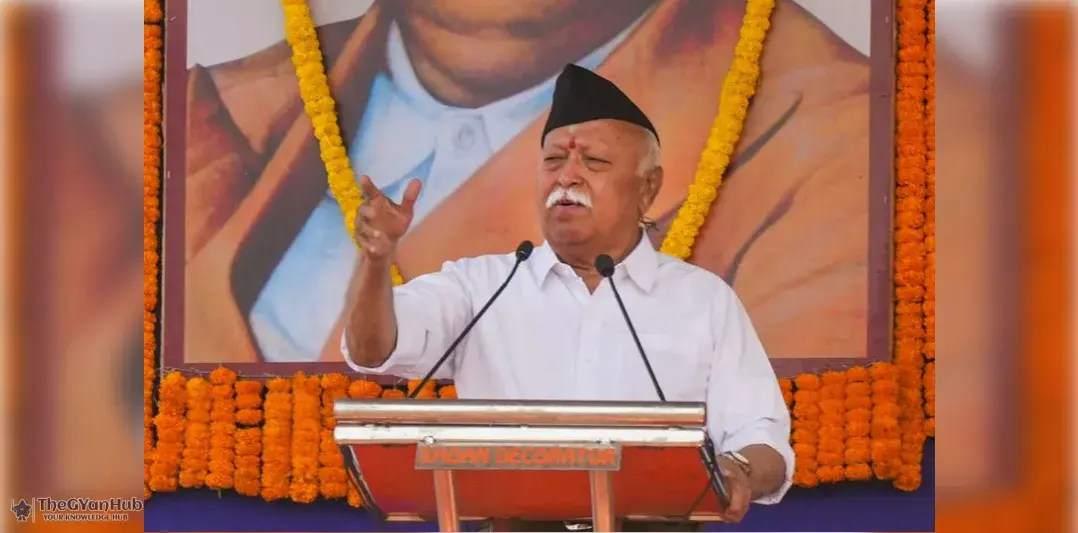
Mohan Bhagwat, the chief of RSS, emphasizes that the organization is not pursuing political power but is dedicated to uniting the Hindu community and promoting individual character development.

I’m a passionate writer who loves exploring ideas, sharing stories, and connecting with readers through meaningful content.I’m dedicated to sharing insights and stories that make readers think, feel, and discover something new.