PM Modi Urges States to Prioritize Manufacturing and Foster Investment-Friendly Environment
3 min readWorld News
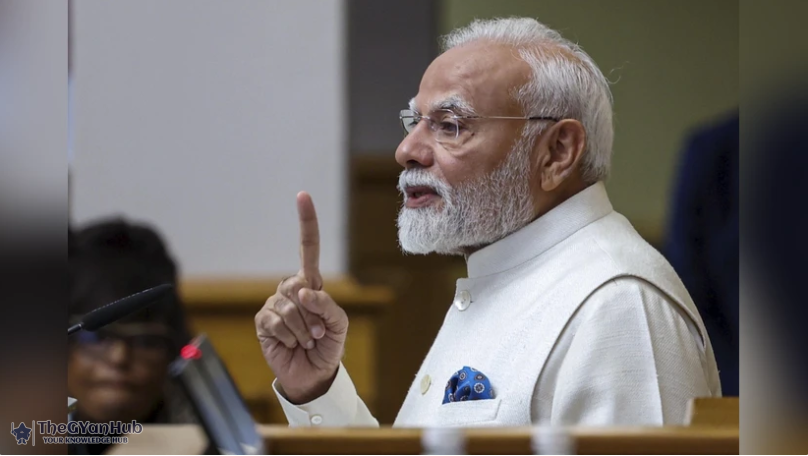
In a recent address to the nation, Prime Minister Narendra Modi called upon states to prioritize manufacturing and create an atmosphere conducive to investment. This message comes at a crucial time as the Goods and Services Tax (GST) reforms are set to take effect, promising significant benefits for the poor, neo-middle class, and middle class.
Manufacturing has long been considered the backbone of economic development. By focusing on this sector, states can not only boost their economic growth but also create numerous job opportunities. PM Modi highlighted that a strong manufacturing base is essential for India to compete on a global scale. He urged state governments to implement policies that support local industries and attract foreign investments.
To foster an investment-friendly environment, PM Modi stressed the need for states to streamline their regulatory frameworks. Simplifying business processes and reducing bureaucratic hurdles can significantly enhance a state's attractiveness to investors. The Prime Minister also encouraged states to leverage technology and innovation to improve their infrastructure and services.
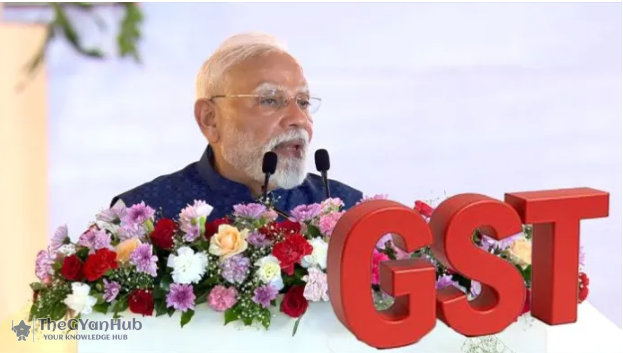
The upcoming GST reforms are expected to be a game-changer for the Indian economy. PM Modi described these reforms as a "double bonanza" for the poor, neo-middle class, and middle class. By simplifying the tax structure, GST aims to reduce the tax burden on consumers and increase compliance among businesses. This, in turn, is expected to boost economic activity and generate additional revenue for the government.
The GST reforms are designed to benefit various economic classes in different ways. For the poor, it means lower prices on essential goods and services. The neo-middle class and middle class stand to gain from increased disposable income and improved access to quality products. PM Modi emphasized that these reforms would lead to a more equitable distribution of wealth and opportunities across the country.
PM Modi's message to the states underscores the critical role of manufacturing and investment in driving India's economic growth. By prioritizing these areas and implementing the GST reforms effectively, India can pave the way for a prosperous future. As states work towards creating a more business-friendly environment, the nation stands to benefit from increased investments, job creation, and economic stability.
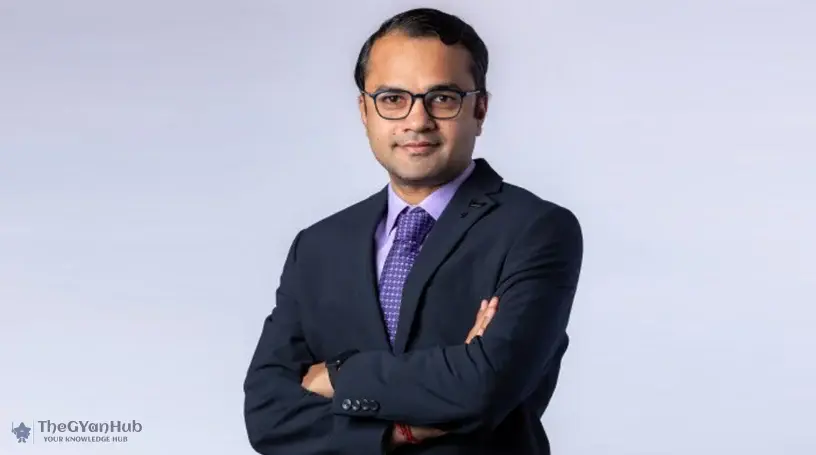
May 11, 2026
Rahul Khona has made a significant return to Starbucks India as the Chief Technology Officer, bringing a wealth of experience to enhance the brand's technological advancements.
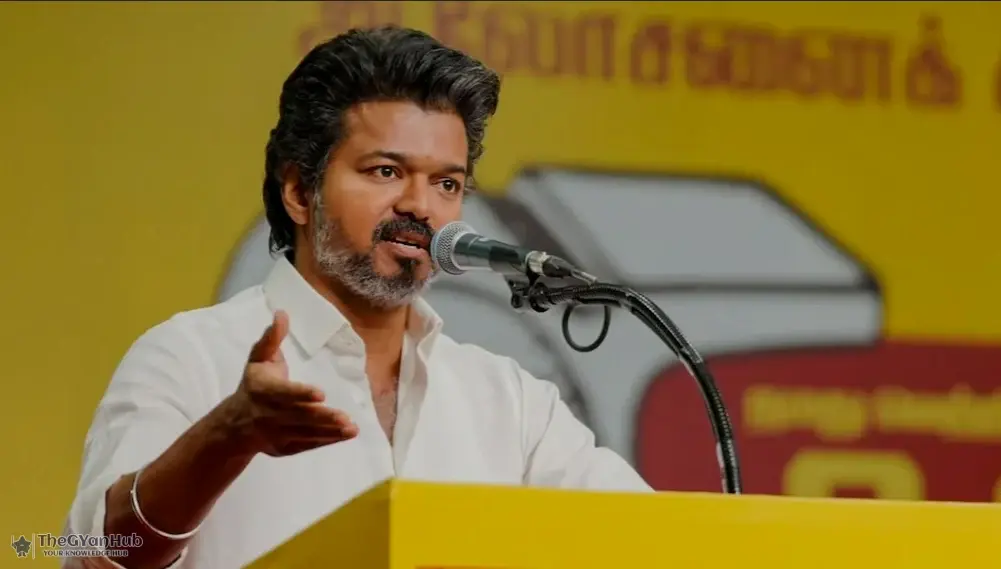
May 10, 2026
This article delves into the intricate dynamics of the coalition led by Vijay, highlighting the pivotal role played by the DMK amidst ongoing political maneuvers in Tamil Nadu.
April 29, 2026
Amazon is leveraging artificial intelligence to streamline its hiring process in anticipation of the upcoming festival rush. The company has also introduced a new AI design philosophy to enhance its operational efficiency.

I’m a passionate writer who loves exploring ideas, sharing stories, and connecting with readers through meaningful content.I’m dedicated to sharing insights and stories that make readers think, feel, and discover something new.