Pak President Reveals Bunker Advice During Tense Op Sindoor
2 min readEducation

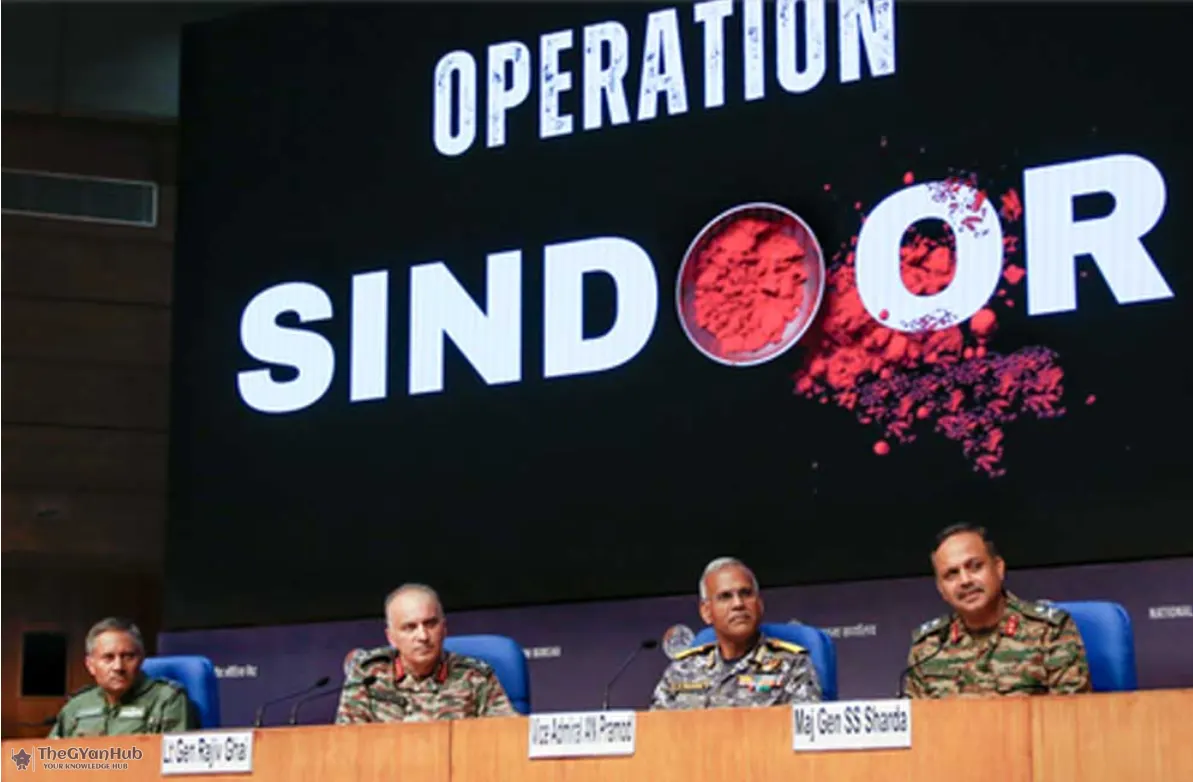
Operation Sindoor was a significant military engagement between India and Pakistan, spanning four days in May. The operation was marked by intense military maneuvers and heightened tensions along the border. During this period, both nations were on high alert, with military strategies being closely monitored by international observers.
In a recent public gathering, Pakistan's President Asif Ali Zardari made a startling revelation. He admitted that during the operation, his military secretary advised him to relocate to a bunker for his safety. This advice came amidst fears of escalating conflict and potential threats to national leadership. However, President Zardari chose to remain at his official residence, demonstrating his resolve and confidence in the situation.
"I was advised to move to a bunker, but I decided to stay put," Zardari stated, emphasizing his trust in the nation's military capabilities and his commitment to lead by example.
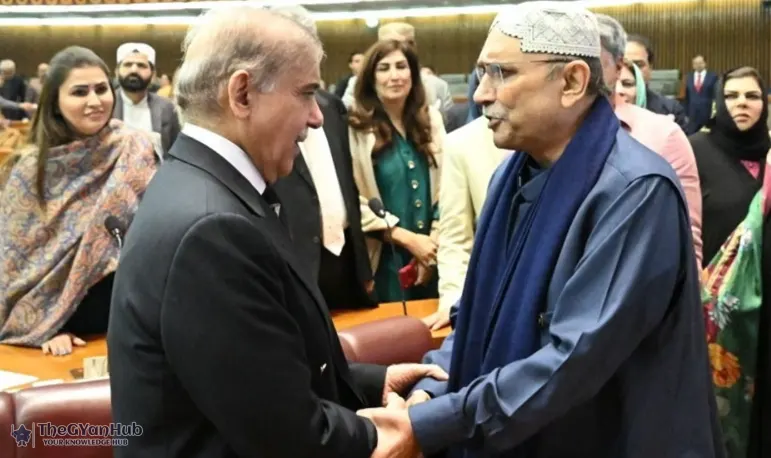
The decision to stay above ground rather than retreat to a bunker was seen as a bold move. It signaled to both the Pakistani public and the international community that the leadership was not in panic mode. Analysts suggest that this decision might have been aimed at maintaining public morale and projecting an image of stability and control.
Moreover, Zardari's choice reflects a broader narrative of resilience and determination, traits that are often highlighted in times of national crisis. The president's actions were widely covered by media outlets, further amplifying the message of steadfast leadership.
The revelation has sparked a range of reactions within Pakistan. Some political commentators praised Zardari for his courage and leadership, while others questioned the wisdom of ignoring security advice. The public, too, has shown mixed reactions, with debates emerging on social media platforms regarding the president's decision.
Despite the differing opinions, the incident has brought to light the complexities and challenges faced by national leaders during times of conflict. It also underscores the delicate balance between ensuring personal safety and fulfilling the duties of leadership.
March 19, 2026
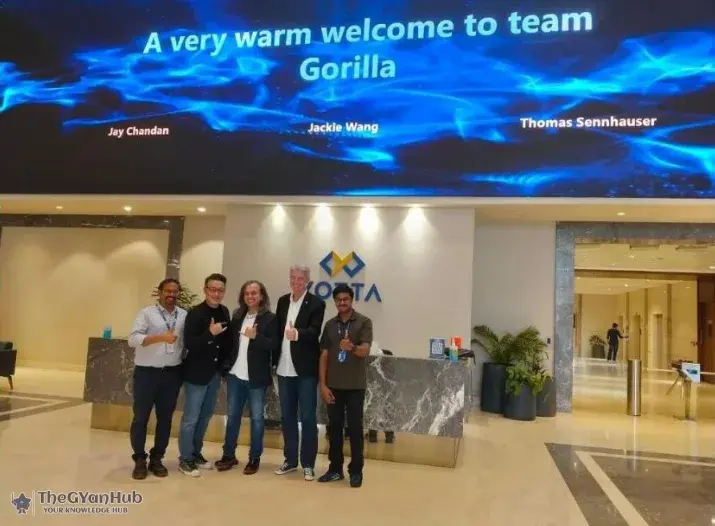
Gorilla Technology has partnered with Yotta to deploy over 5,000 GPUs in India, marking a significant step in enhancing AI infrastructure in the region. This collaboration aims to boost technological advancements and support various industries.

March 16, 2026
Aman Gottumukkala, an Indian-origin tech expert, is set to join Elon Musk's xAI team, aiming to challenge Claude in the AI landscape. This collaboration highlights the growing influence of diverse talent in the tech industry.
March 15, 2026
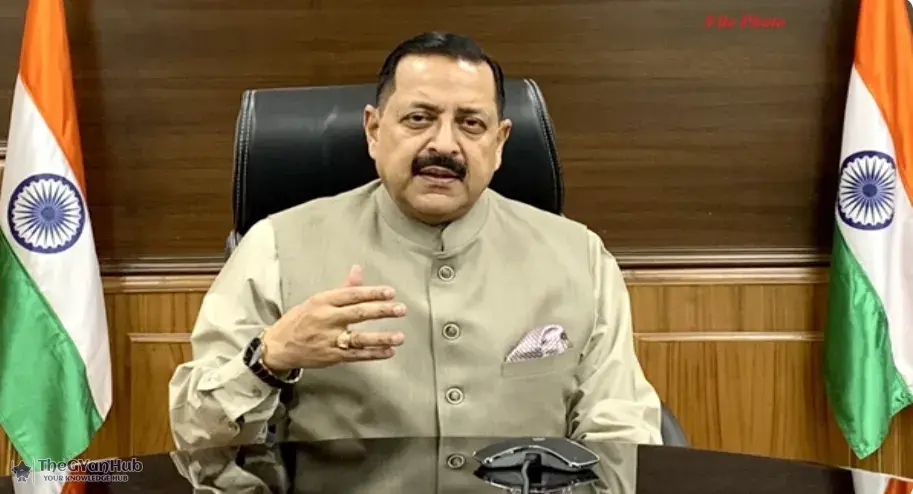
Dr. Jitendra Singh announces a transformative phase in India's development driven by technology, emphasizing innovation and digital infrastructure as key components for future growth.

I’m a passionate writer who loves exploring ideas, sharing stories, and connecting with readers through meaningful content.I’m dedicated to sharing insights and stories that make readers think, feel, and discover something new.