New Directive Bans In-Flight Usage of Power Banks: What You Need to Know
4 min readWorld News

In a significant move aimed at enhancing air travel safety, authorities have announced a new directive prohibiting the use of power banks on flights. This decision comes in response to growing concerns about the potential hazards posed by lithium-ion batteries, which are commonly found in portable chargers. As travelers increasingly rely on these devices for their electronic gadgets, understanding the implications of this ban is crucial.
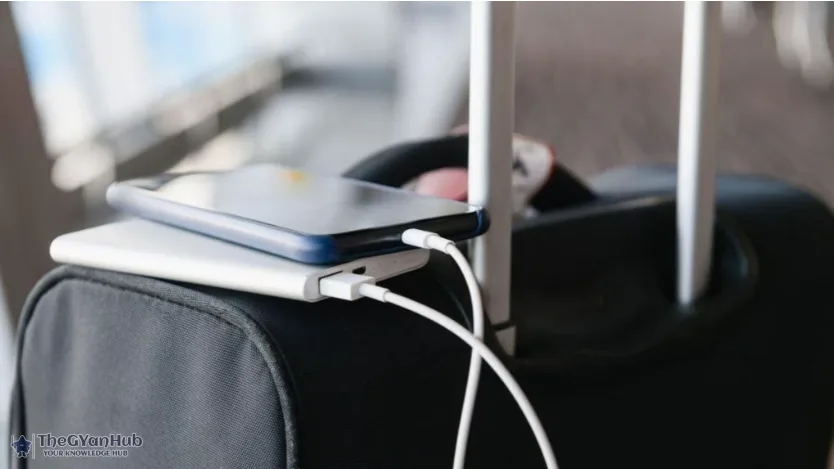
Power banks have become an essential accessory for many travelers, providing a convenient way to keep devices charged during long flights. However, incidents involving battery malfunctions have raised alarms within the aviation industry. Reports of overheating and fires caused by faulty batteries have led to heightened scrutiny.
According to aviation safety experts, lithium-ion batteries can pose a fire risk if damaged or improperly handled. The Federal Aviation Administration (FAA) and other international aviation authorities have been closely monitoring these risks, leading to the recent directive.
Statistics show that incidents related to battery fires on aircraft, while rare, can have catastrophic consequences. A report from the National Transportation Safety Board (NTSB) highlighted several cases where power banks ignited during flights, prompting emergency landings. Such incidents have underscored the need for stricter regulations regarding the use of these devices in confined spaces like airplanes.

With the new directive in place, travelers must adapt to the changing landscape of air travel. Here are some key points to consider:
Power Banks Prohibited: The use of power banks during flights is now officially banned. Passengers are advised to keep these devices in their checked luggage.
Alternative Charging Options: Airlines may provide charging stations at the airport, but in-flight charging will no longer be an option.
Device Limitations: Travelers should ensure their devices are fully charged before boarding, as they will not be able to use power banks to recharge them during the flight.
Airlines around the world are responding to this directive with varying degrees of compliance and communication. Some carriers have already updated their policies and are informing passengers about the ban through email notifications and announcements at check-in counters.
For instance, major airlines such as Delta and American Airlines have released statements emphasizing the importance of passenger safety and the rationale behind the ban. They encourage travelers to plan accordingly and ensure their devices are charged before boarding.

The response from passengers has been mixed. While many understand the safety concerns, others express frustration at the inconvenience this ban presents. Frequent travelers who rely on power banks for their devices during long-haul flights are particularly vocal about their dissatisfaction.
Social media platforms have seen a surge in discussions surrounding this topic, with users sharing their thoughts and experiences. Some travelers have suggested alternative solutions, such as allowing power banks with specific safety certifications.
As the aviation industry continues to evolve, it is likely that more regulations will emerge regarding electronic devices and their usage during flights. The balance between passenger convenience and safety will remain a critical focus for airlines and regulatory bodies.
Travelers are encouraged to stay informed about these changes and to adapt their travel habits accordingly. Following the guidelines set forth by airlines and aviation authorities will ensure a safer flying experience for everyone.
The new directive banning the use of power banks during flights marks a significant shift in aviation safety protocols. While the decision may inconvenience some travelers, it prioritizes the safety of all passengers on board. As we navigate this new landscape, staying informed and prepared will be essential for a smooth travel experience.

February 28, 2026
Prime Minister Narendra Modi inaugurated Micron's advanced semiconductor facility in Sanand, Gujarat, marking a significant step in India's pan-India semiconductor mission. This initiative aims to bolster the country's position in the global semiconductor supply chain.

February 28, 2026
Affle 3i Limited has been granted two new patents in India, enhancing its capabilities in advertisement technology. This development signifies a major step forward in the company's innovative approaches to digital marketing.

February 27, 2026
In a recent deposition, former President Bill Clinton asserted his innocence regarding the Epstein files, stating, 'I saw nothing, and I did nothing wrong.' This statement has sparked discussions and debates across various platforms.

I’m a passionate writer who loves exploring ideas, sharing stories, and connecting with readers through meaningful content.I’m dedicated to sharing insights and stories that make readers think, feel, and discover something new.