Musk and Pichai's Bold Venture: Building Data Centres in Space Amidst Warnings
3 min readWorld News

In a groundbreaking move that could redefine the future of technology, Elon Musk and Sundar Pichai are collaborating to build data centres in space. This ambitious project aims to leverage the vastness of space for data storage and processing, potentially revolutionizing how we handle information on Earth. However, amidst this excitement, Aravind Srinivas has raised concerns about the threats that such an initiative might face.
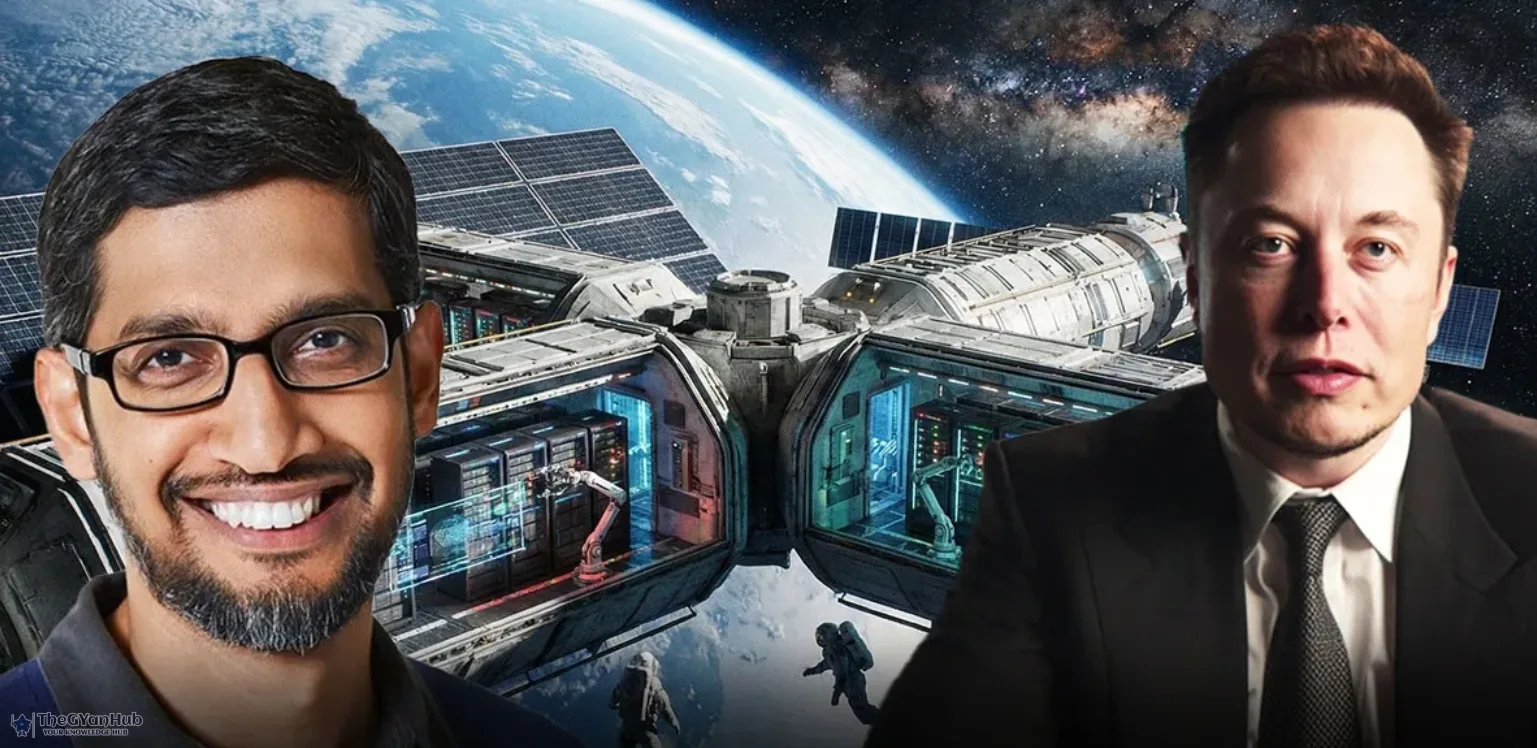
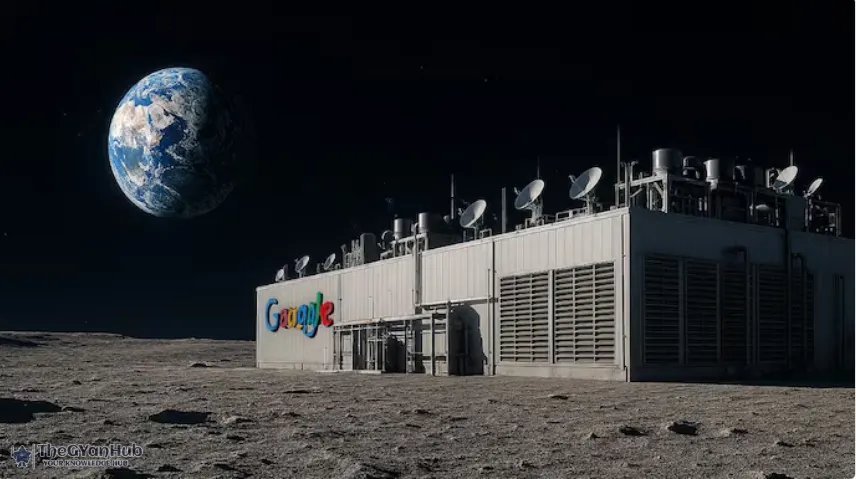
The concept of data centres in space is not merely a science fiction fantasy. Musk and Pichai envision a network of advanced facilities orbiting the Earth, capable of processing and storing immense amounts of data. This initiative could lead to faster data retrieval, enhanced security, and reduced latency for global internet users.
With the increasing demand for data storage due to the rise of cloud computing and big data analytics, the need for innovative solutions has never been greater. Space data centres could provide a scalable solution to these challenges, utilizing solar energy and advanced cooling systems to maintain optimal performance.
Enhanced Security: Data stored in space could be less vulnerable to terrestrial threats such as hacking and natural disasters.
Improved Speed: Proximity to satellites could reduce latency, providing faster access to data.
Sustainability: Utilizing solar power for energy needs could make these data centres environmentally friendly.

Despite the promising outlook, Aravind Srinivas, a prominent figure in the tech industry, has issued a stark warning regarding the potential threats to these space data centres. He emphasizes that while the technological advancements are exciting, the risks associated with space operations cannot be overlooked.
Srinivas points out that the space environment is fraught with challenges, including radiation exposure, debris collisions, and the complexities of maintaining equipment in a zero-gravity environment. These factors could pose significant risks to the integrity and functionality of the data centres.
Space Debris: The increasing amount of debris in Earth's orbit could threaten the safety of space infrastructure.
Technical Limitations: Current technology may not be fully equipped to handle the unique challenges of space operations.
Regulatory Hurdles: Navigating international space laws and regulations could complicate the project.
As Musk and Pichai push forward with their vision, the tech community is watching closely. The success of this initiative could pave the way for future innovations in space technology and data management. However, addressing the concerns raised by Srinivas will be crucial in ensuring the viability of such projects.
In conclusion, while the idea of building data centres in space is thrilling, it is essential to approach this venture with caution. The potential benefits are enormous, but so are the risks. As we stand on the brink of this new frontier, collaboration between innovators and experts will be key to overcoming the challenges ahead.
February 28, 2026
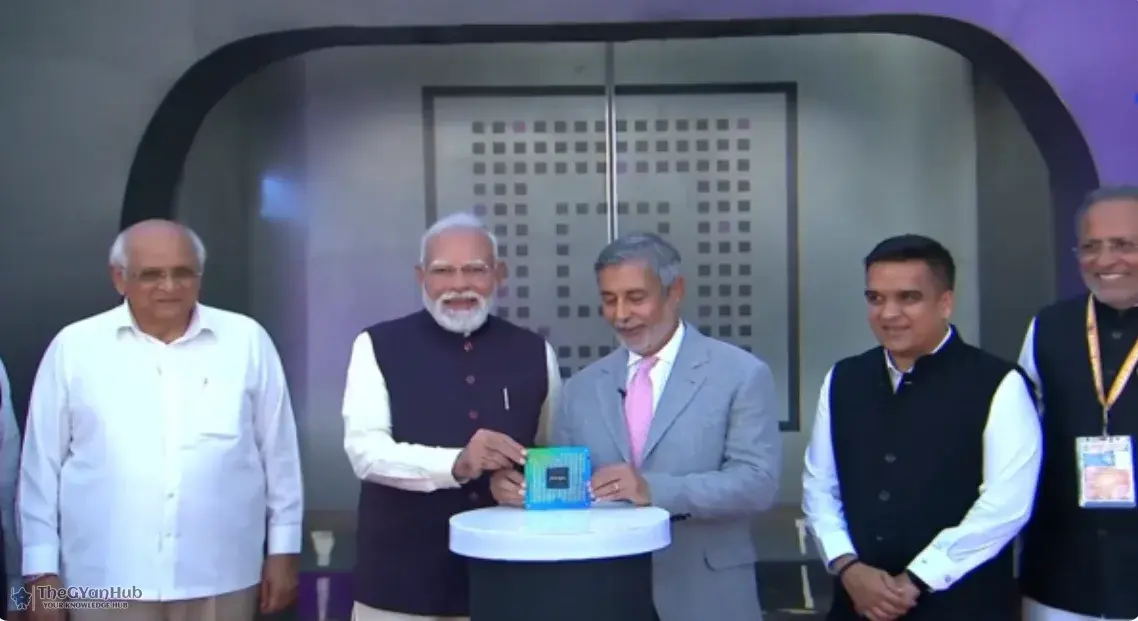
Prime Minister Narendra Modi inaugurated Micron's advanced semiconductor facility in Sanand, Gujarat, marking a significant step in India's pan-India semiconductor mission. This initiative aims to bolster the country's position in the global semiconductor supply chain.

February 28, 2026
Affle 3i Limited has been granted two new patents in India, enhancing its capabilities in advertisement technology. This development signifies a major step forward in the company's innovative approaches to digital marketing.

February 27, 2026
In a recent deposition, former President Bill Clinton asserted his innocence regarding the Epstein files, stating, 'I saw nothing, and I did nothing wrong.' This statement has sparked discussions and debates across various platforms.

I’m a passionate writer who loves exploring ideas, sharing stories, and connecting with readers through meaningful content.I’m dedicated to sharing insights and stories that make readers think, feel, and discover something new.