ISRO's PSLV-C62 Mission Fails After Third-Stage Glitch: What Went Wrong?
3 min readWorld News
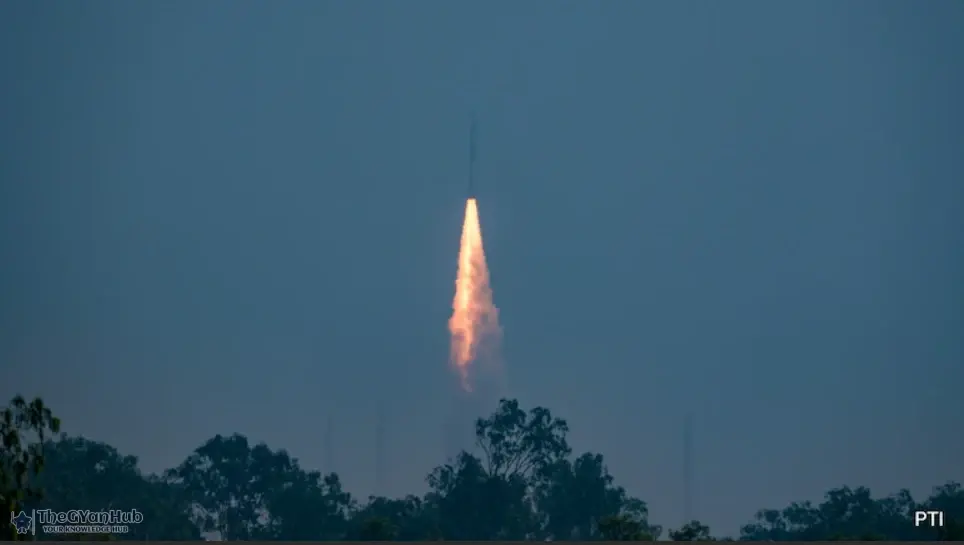
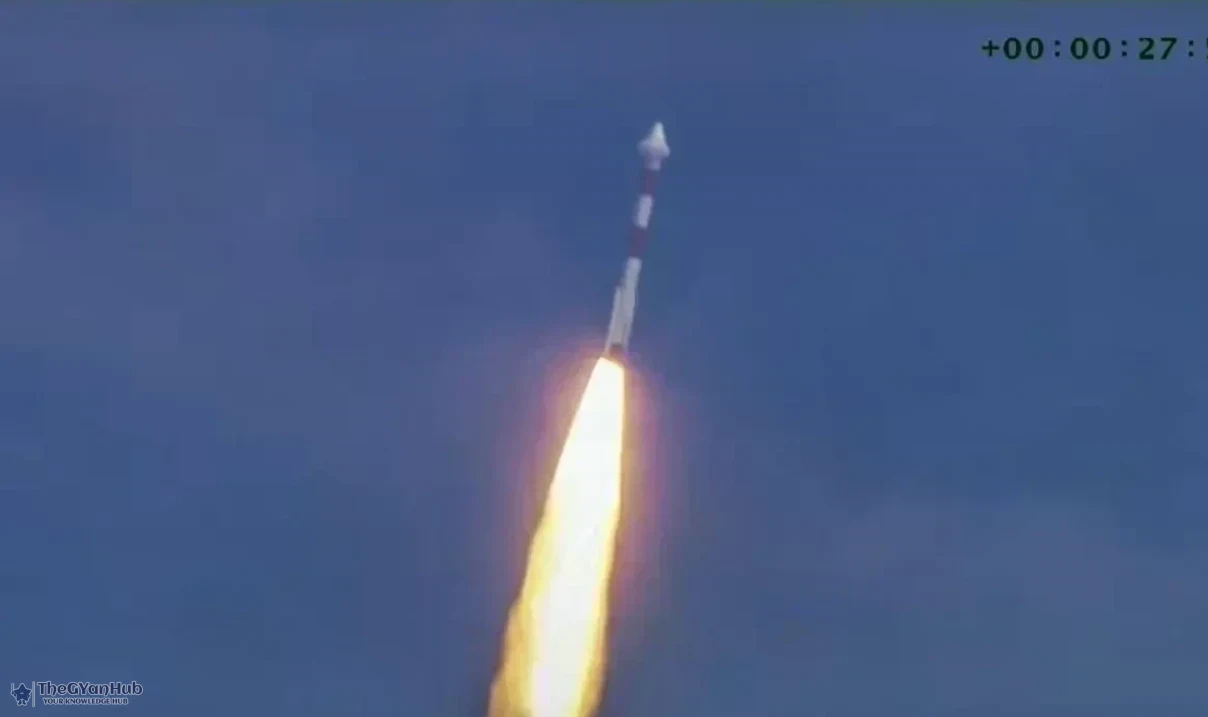
The Indian Space Research Organisation (ISRO) recently experienced a setback with the PSLV-C62 mission, which failed due to a glitch in its third stage. This mission was highly anticipated, aiming to deploy multiple satellites into orbit. However, the unexpected malfunction has raised questions about the reliability of the PSLV series, which has been a workhorse for ISRO since its inception.
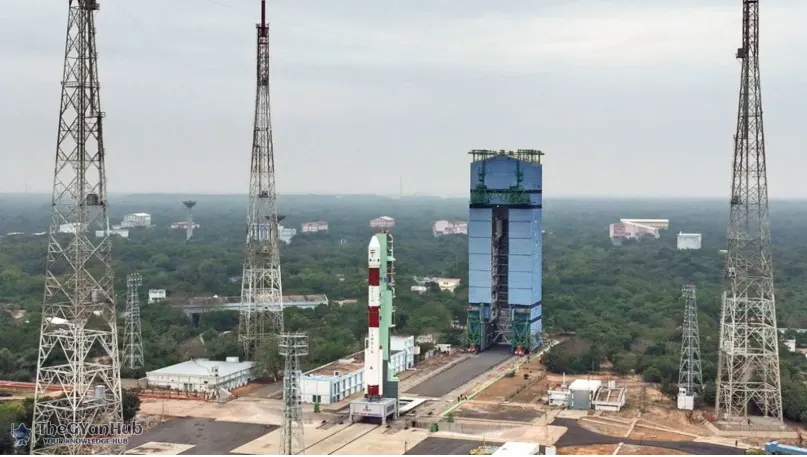
On the day of the launch, everything seemed to be proceeding smoothly until the third stage of the PSLV-C62 rocket encountered a critical issue. Reports indicate that the glitch occurred shortly after the second stage separation, which is a crucial phase in the launch sequence. The mission control team at ISRO worked tirelessly to troubleshoot the problem, but unfortunately, the satellite deployment was unsuccessful.
The Polar Satellite Launch Vehicle (PSLV) has been instrumental in establishing India as a significant player in space exploration. With over 50 successful missions, it has launched numerous satellites for both domestic and international clients. The PSLV is known for its versatility and reliability, making this failure particularly concerning for ISRO and its stakeholders.
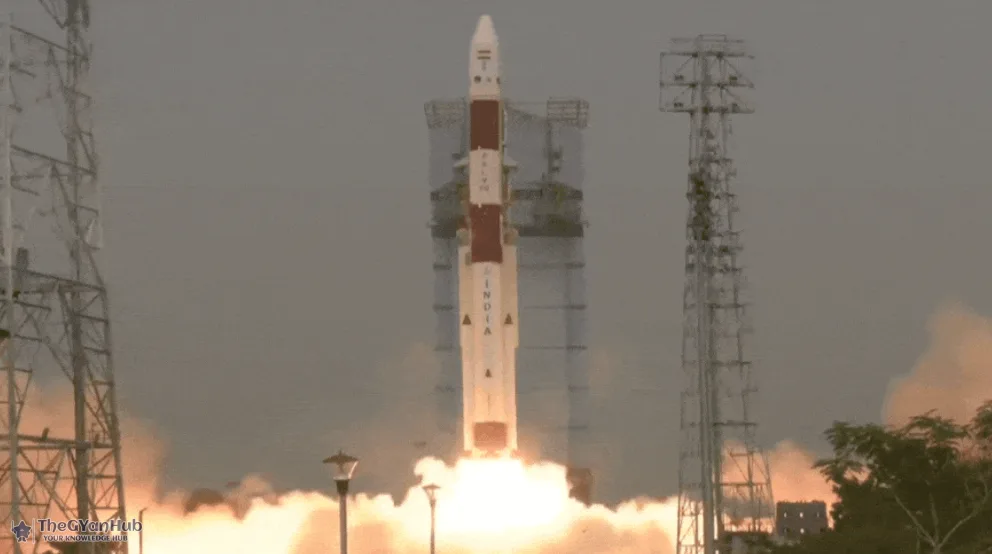
To understand what went wrong, it is essential to analyze the components of the PSLV's third stage. The third stage is responsible for providing the necessary thrust to place satellites into their intended orbits. A malfunction at this stage can lead to catastrophic failure, as was witnessed in the PSLV-C62 mission.
Engine Performance: The third stage uses a solid rocket motor, which must ignite and perform flawlessly. Any deviation in performance can lead to mission failure.
Telemetry Data: During the launch, telemetry data is crucial for monitoring the rocket's health. Anomalies in this data can indicate potential issues.
Separation Mechanism: The mechanism that separates the third stage from the second stage must function correctly. Any failure here can prevent the third stage from igniting.
ISRO has stated that a detailed investigation will be conducted to identify the root cause of the glitch. This analysis will involve reviewing telemetry data, examining the rocket's components, and conducting simulations to replicate the failure.
The failure of the PSLV-C62 mission has significant implications for ISRO's future endeavors. With several missions planned in the coming months, including international satellite launches and the Gaganyaan crewed mission, ensuring the reliability of the PSLV is paramount.
ISRO's reputation as a reliable launch service provider is at stake, and the organization must address this failure transparently. The space community is closely watching how ISRO responds to this incident, as it could affect future contracts and collaborations.
Failures in space missions are not uncommon. They provide valuable lessons that can lead to improvements in technology and procedures. ISRO has a history of learning from past mistakes, which has contributed to its success over the years. The PSLV-C62 failure will likely lead to enhancements in the design and testing of the rocket's components.
The PSLV-C62 mission failure serves as a reminder of the challenges faced in space exploration. While this setback is disappointing, it is essential to recognize the achievements of ISRO and the PSLV series. The organization has consistently demonstrated resilience and innovation, and it is expected to emerge stronger from this incident.
February 28, 2026
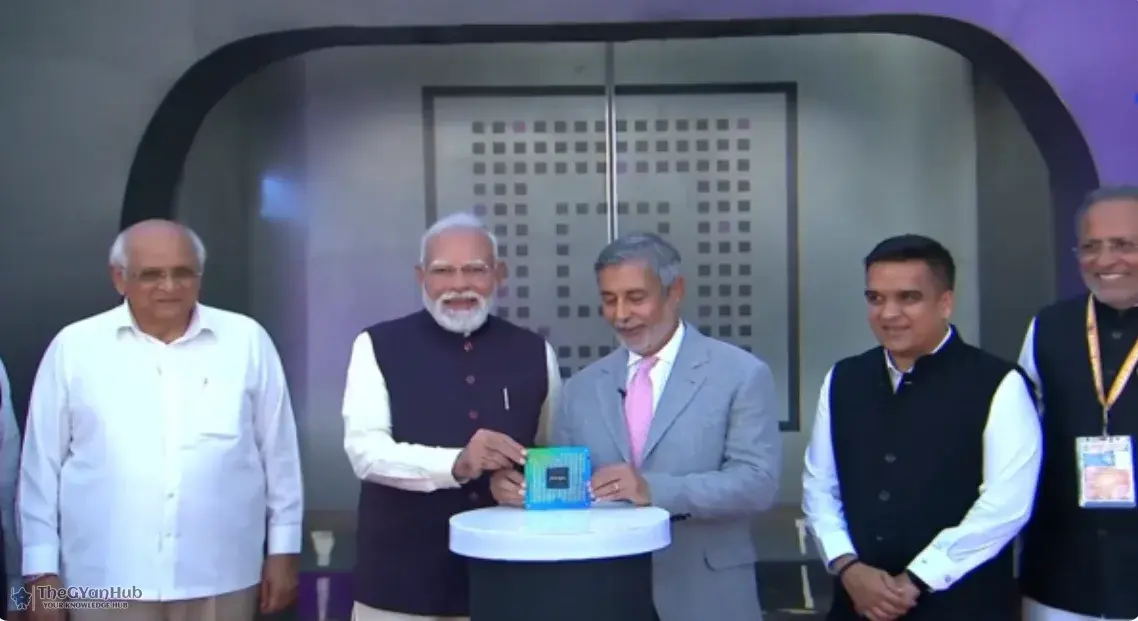
Prime Minister Narendra Modi inaugurated Micron's advanced semiconductor facility in Sanand, Gujarat, marking a significant step in India's pan-India semiconductor mission. This initiative aims to bolster the country's position in the global semiconductor supply chain.

February 28, 2026
Affle 3i Limited has been granted two new patents in India, enhancing its capabilities in advertisement technology. This development signifies a major step forward in the company's innovative approaches to digital marketing.

February 27, 2026
In a recent deposition, former President Bill Clinton asserted his innocence regarding the Epstein files, stating, 'I saw nothing, and I did nothing wrong.' This statement has sparked discussions and debates across various platforms.

I’m a passionate writer who loves exploring ideas, sharing stories, and connecting with readers through meaningful content.I’m dedicated to sharing insights and stories that make readers think, feel, and discover something new.