What Israel’s Technology Transfer Means for India’s Air Defence: Insights on Iron Dome & Iron Beam Deal
3 min readScience
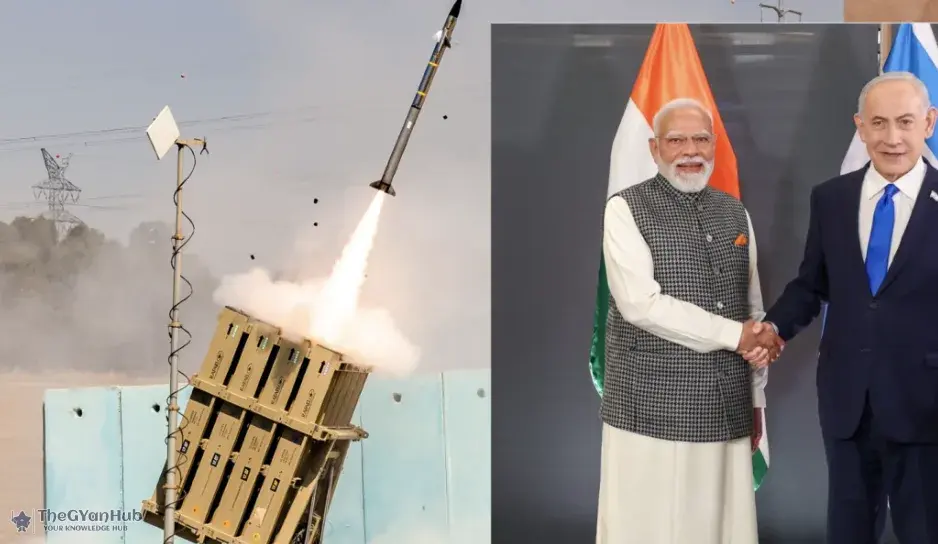
The recent technology transfer agreement between Israel and India has sparked considerable interest, particularly regarding its implications for India's air defence systems. The deal includes advanced technologies such as the Iron Dome and Iron Beam, which are designed to enhance aerial defence capabilities. This article delves into what these technologies entail and how they can bolster India's defence strategy.
The Iron Dome is a mobile all-weather air defence system developed by Israel to intercept and destroy short-range threats such as rockets and artillery shells. It has proven its effectiveness in various conflicts, successfully intercepting a significant percentage of incoming projectiles. The technology behind the Iron Dome includes sophisticated radar systems and interceptor missiles, which work in tandem to provide a robust defence mechanism.
Real-time Threat Assessment: The system can assess incoming threats in real-time, allowing for quick decision-making.
High Interception Rate: The Iron Dome boasts an interception rate of over 90%, making it one of the most reliable systems available.
Mobility: Its mobile nature allows it to be deployed in various locations, adapting to changing battlefield conditions.
The Iron Beam is an innovative addition to Israel's air defence arsenal, utilizing high-energy laser technology to intercept threats. This system is designed to complement the Iron Dome, providing a cost-effective solution for neutralizing aerial threats.

Cost Efficiency: The use of laser technology significantly reduces the cost per interception compared to traditional missile systems.
Unlimited Ammunition: As long as there is power, the Iron Beam can continue to operate, making it a sustainable option for prolonged engagements.
Precision Targeting: The system can accurately target and neutralize threats without collateral damage.
India's acquisition of these advanced technologies is poised to transform its air defence capabilities. With increasing regional threats, particularly from neighboring countries, enhancing aerial defence is critical for national security. The integration of the Iron Dome and Iron Beam systems will provide India with a multi-layered defence strategy, capable of addressing a variety of aerial threats.
Enhanced Deterrence: A robust air defence system will serve as a deterrent against potential aggressors.
Technological Advancement: Collaborating with Israel allows India to access cutting-edge military technology, fostering innovation within its own defence sector.
Strengthened Bilateral Relations: This deal signifies a deepening of strategic ties between India and Israel, paving the way for future collaborations.
While the prospects of this technology transfer are promising, several challenges must be addressed. The integration of these systems into India's existing military infrastructure will require significant investment and training. Additionally, ensuring the security of these advanced technologies from potential adversaries is paramount.
Israel's technology transfer, particularly the Iron Dome and Iron Beam systems, represents a significant advancement for India's air defence capabilities. As India navigates its security landscape, these technologies will play a crucial role in enhancing its deterrence and operational effectiveness. The partnership with Israel not only strengthens India's military capabilities but also fosters deeper strategic ties between the two nations.
March 21, 2026
India is leveraging advanced space technology to enhance military communication and improve soldier healthcare. This article explores the innovative strategies being implemented.

March 10, 2026
Andhra Pradesh (AP) is setting a benchmark in pollution management through innovative technology solutions. This article explores AP's initiatives and their impact on environmental sustainability.

March 8, 2026
Chennai is set to witness significant developments with a new bridge plan, advancements in IIT's space technology, and a health initiative from the High Court. This article explores these key updates shaping the city's future.

I’m a passionate writer who loves exploring ideas, sharing stories, and connecting with readers through meaningful content.I’m dedicated to sharing insights and stories that make readers think, feel, and discover something new.