Inside Trump's Controversial 'Presidential Walk of Fame'
2 min readWorld News
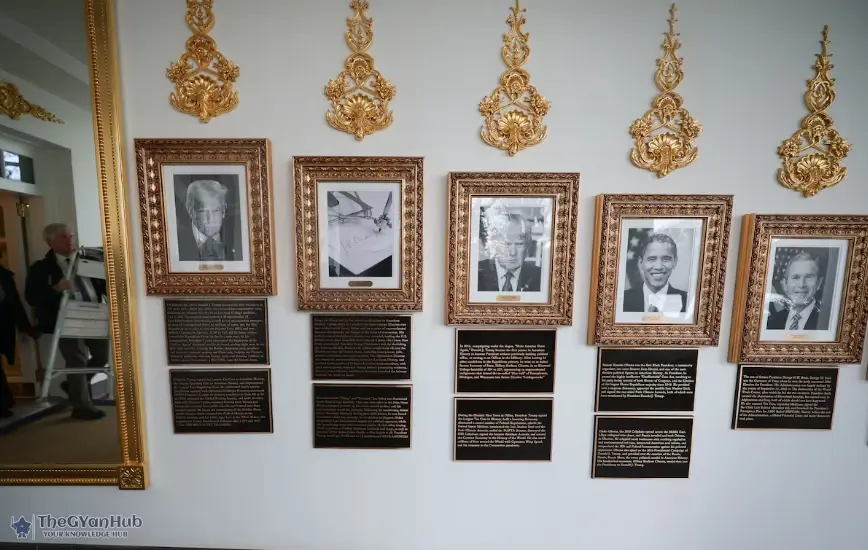
In a bold move, the White House has unveiled a new feature along President Donald Trump's 'Presidential Walk of Fame'. This installation includes plaques that provide descriptions beneath portraits of former U.S. presidents. These descriptions are not your typical historical summaries; instead, they reflect Trump's personal and often controversial views on his predecessors.
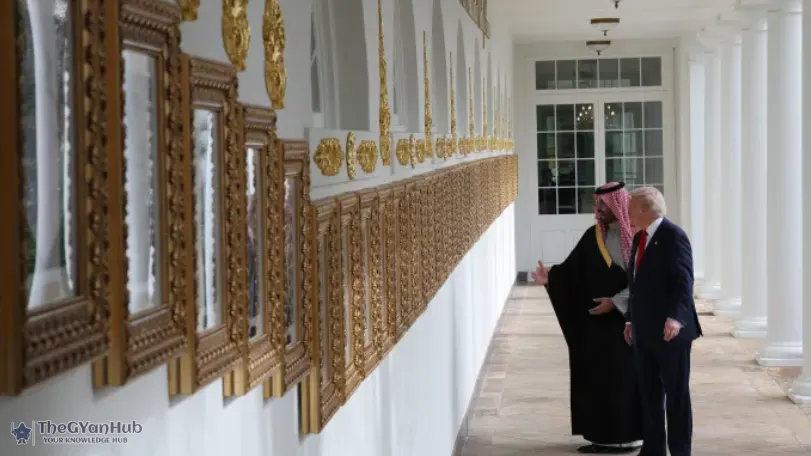
Among the most talked-about plaques are those of President Joe Biden and President Barack Obama. The plaque for President Biden is inscribed with the moniker 'Sleepy Joe', a nickname Trump frequently used during the 2020 presidential campaign. Meanwhile, President Obama's plaque reads 'Divisive Obama', highlighting Trump's criticism of Obama's policies and leadership style.
These descriptions have sparked debate across the nation, with supporters praising Trump's candidness, while critics argue that such labels are disrespectful and diminish the dignity of the office.
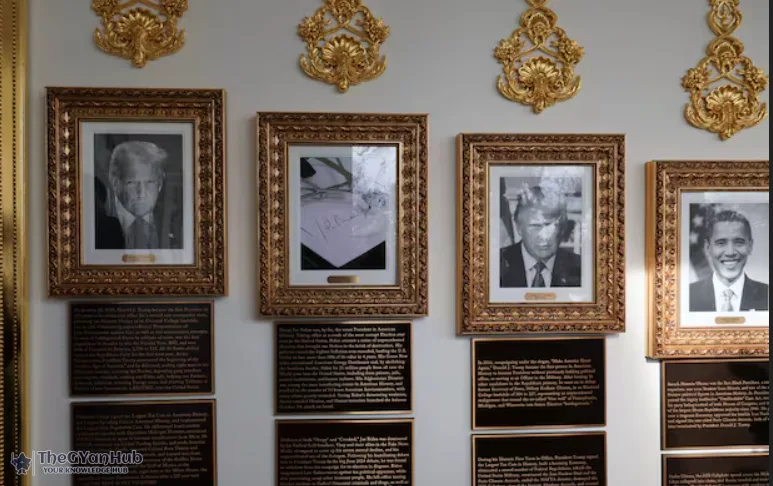
The public's reaction to the 'Presidential Walk of Fame' has been mixed. Some view it as a humorous and honest portrayal of Trump's opinions, while others see it as a partisan attack on the legacy of past presidents. This move could have significant political implications, potentially influencing public perception and the historical narrative of these leaders.
Critics argue that this approach undermines the respect traditionally afforded to former presidents, while supporters claim it reflects a refreshing honesty in political discourse.
Historically, presidential memorials and tributes have aimed to honor the achievements and contributions of past leaders. Trump's 'Presidential Walk of Fame', however, takes a different approach by injecting personal opinion into historical interpretation. This raises questions about the role of personal bias in shaping public memory and historical narratives.
Comparisons can be drawn to other presidential memorials, such as the Lincoln Memorial or the Franklin D. Roosevelt Memorial, which focus on celebrating the accomplishments and ideals of these leaders without personal commentary.
May 11, 2026
Rahul Khona has made a significant return to Starbucks India as the Chief Technology Officer, bringing a wealth of experience to enhance the brand's technological advancements.
May 10, 2026
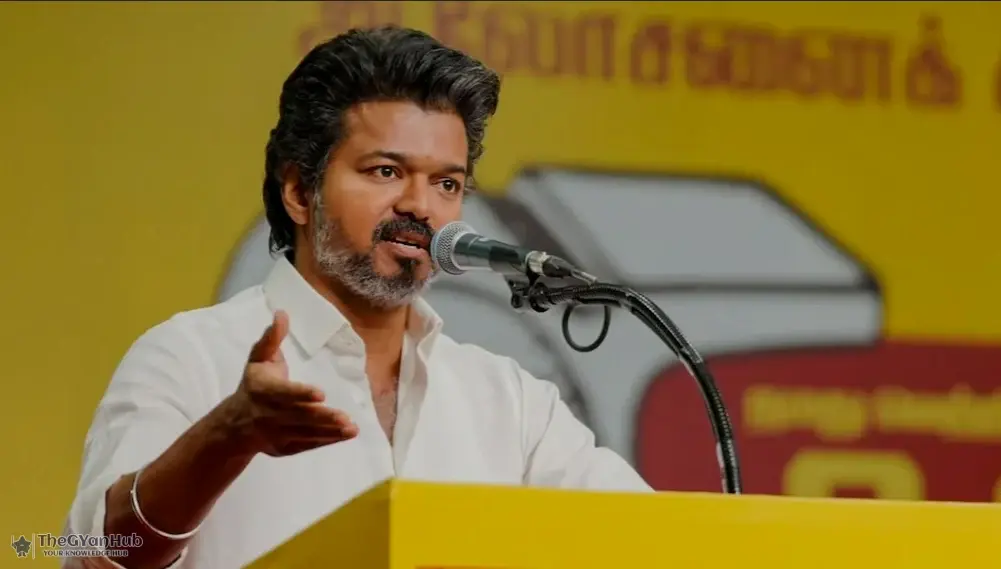
This article delves into the intricate dynamics of the coalition led by Vijay, highlighting the pivotal role played by the DMK amidst ongoing political maneuvers in Tamil Nadu.
April 29, 2026
Amazon is leveraging artificial intelligence to streamline its hiring process in anticipation of the upcoming festival rush. The company has also introduced a new AI design philosophy to enhance its operational efficiency.

I’m a passionate writer who loves exploring ideas, sharing stories, and connecting with readers through meaningful content.I’m dedicated to sharing insights and stories that make readers think, feel, and discover something new.