India's AI Potential: Ashwini Vaishnaw Challenges IMF Chief at Davos
3 min readWorld News
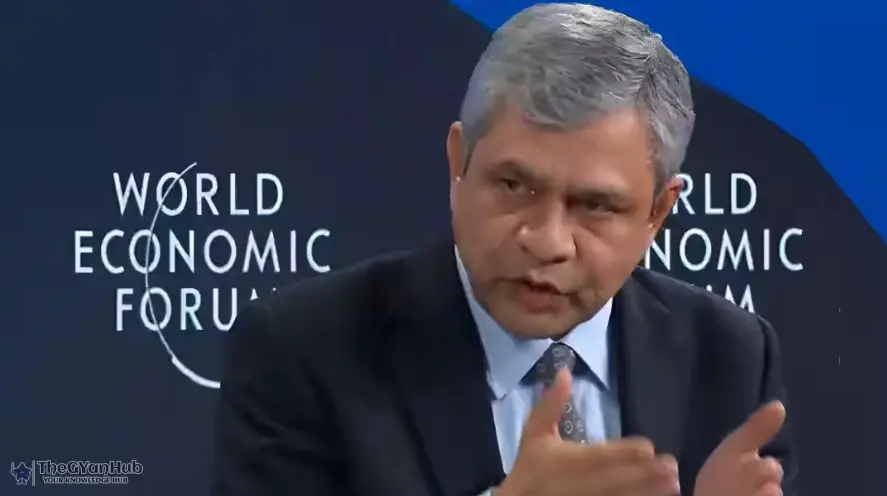
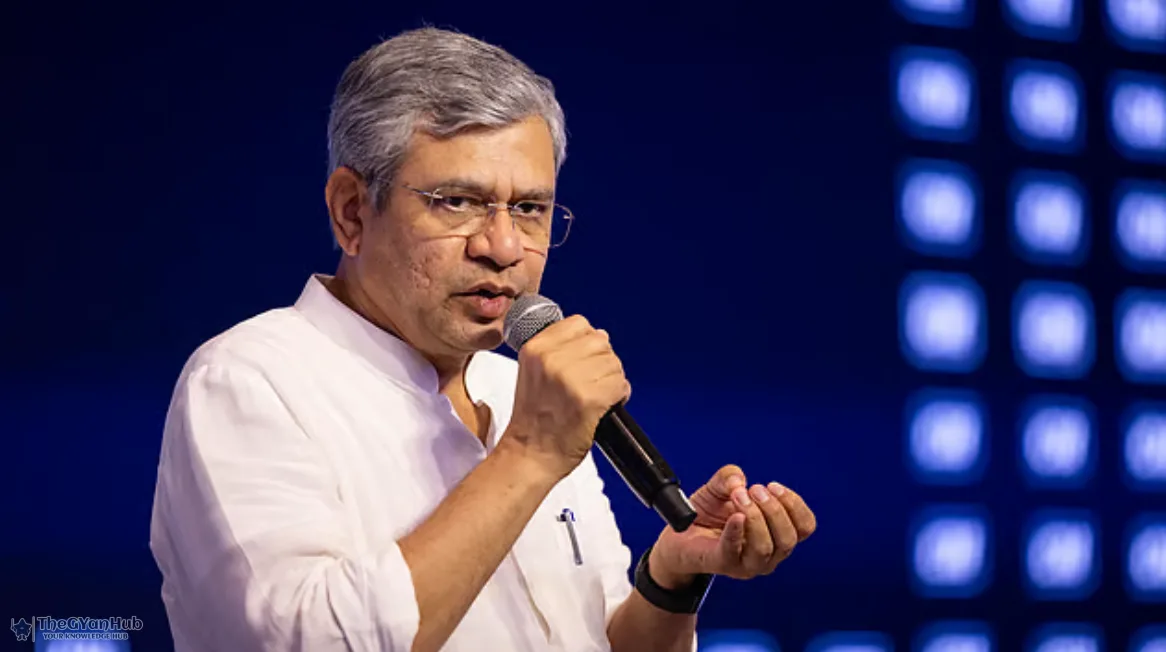
During the recent World Economic Forum in Davos, Ashwini Vaishnaw, India's Minister for Electronics and Information Technology, made headlines by challenging the International Monetary Fund (IMF) chief's assertion that India is a second-tier player in the field of artificial intelligence (AI). This statement has sparked discussions about India's capabilities and contributions to the AI sector on a global scale.
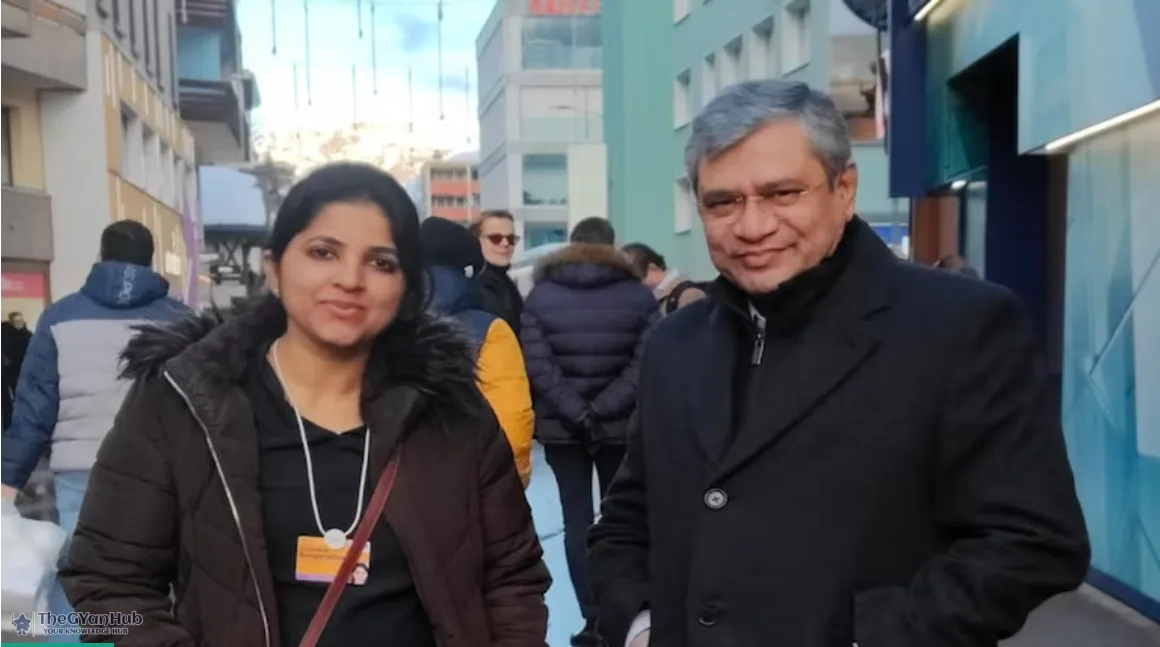
India has been making significant strides in the field of AI, with numerous startups and established companies innovating and implementing AI solutions across various sectors. The country's vast pool of talented engineers and researchers is contributing to advancements in machine learning, natural language processing, and robotics. According to a report by NASSCOM, the Indian AI market is expected to reach $7.8 billion by 2025.
Government initiatives promoting AI research and development.
Investment in AI startups and technology incubators.
Collaborations between academia and industry to foster innovation.
In his address, Vaishnaw emphasized that India is not just a participant but a leader in the AI domain. He pointed out that the country is home to numerous AI-driven projects that are making a significant impact both locally and globally. He stated, "India is not a second-tier player in AI; we are at the forefront of technological innovation. Our contributions are vital to the global AI ecosystem." This assertion was met with applause from attendees, highlighting the confidence in India's capabilities.
The debate over AI rankings has become increasingly relevant as nations vie for technological supremacy. Various organizations and reports have attempted to rank countries based on their AI development, investment, and implementation. Vaishnaw's comments come at a time when India is striving to enhance its position in these rankings.
Despite the positive outlook, India faces several challenges in its AI journey. Issues such as data privacy, ethical considerations, and the need for robust infrastructure must be addressed to ensure sustainable growth in the AI sector. Vaishnaw acknowledged these challenges, stating, "We must work collaboratively to create a framework that supports innovation while protecting citizens' rights."
Vaishnaw also highlighted the importance of international collaboration in advancing AI technologies. He mentioned that partnerships with other countries can lead to shared knowledge and resources, ultimately benefiting the global community. "We are open to collaborating with nations that share our vision for a responsible and inclusive AI future," he added.
As the world continues to evolve in the realm of artificial intelligence, India's role is becoming increasingly prominent. Ashwini Vaishnaw's remarks at Davos serve as a reminder of the country's potential and ambition in this critical field. With continued investment, innovation, and collaboration, India is poised to solidify its position as a leader in AI.
May 11, 2026
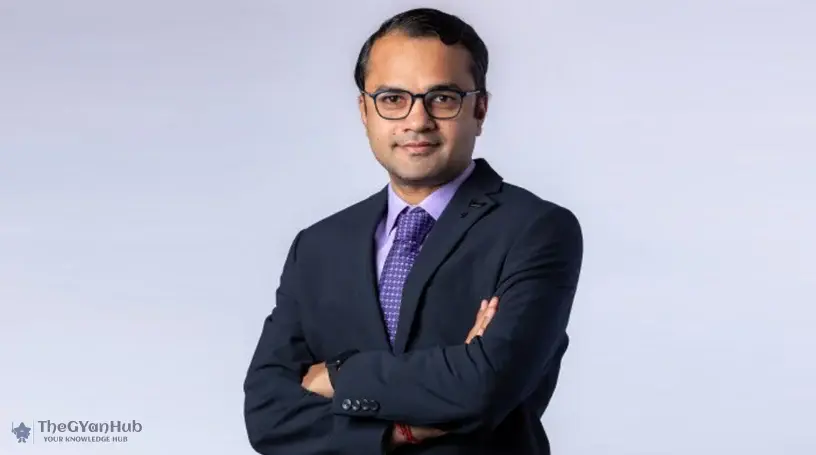
Rahul Khona has made a significant return to Starbucks India as the Chief Technology Officer, bringing a wealth of experience to enhance the brand's technological advancements.
May 10, 2026
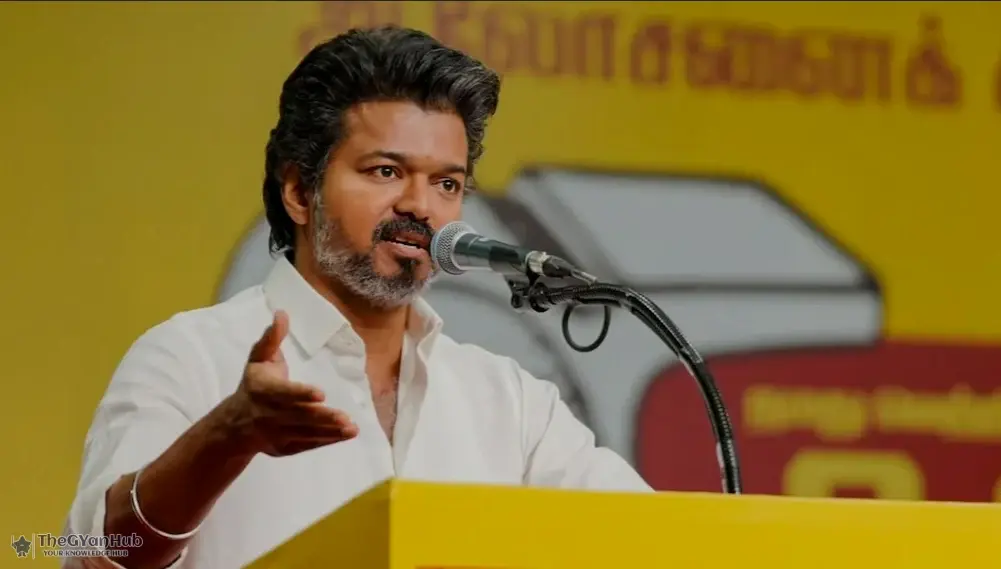
This article delves into the intricate dynamics of the coalition led by Vijay, highlighting the pivotal role played by the DMK amidst ongoing political maneuvers in Tamil Nadu.

April 29, 2026
Amazon is leveraging artificial intelligence to streamline its hiring process in anticipation of the upcoming festival rush. The company has also introduced a new AI design philosophy to enhance its operational efficiency.

I’m a passionate writer who loves exploring ideas, sharing stories, and connecting with readers through meaningful content.I’m dedicated to sharing insights and stories that make readers think, feel, and discover something new.