Exploring the Impact of India-EU FTA on AI and Semiconductor Technology
3 min readTechnology
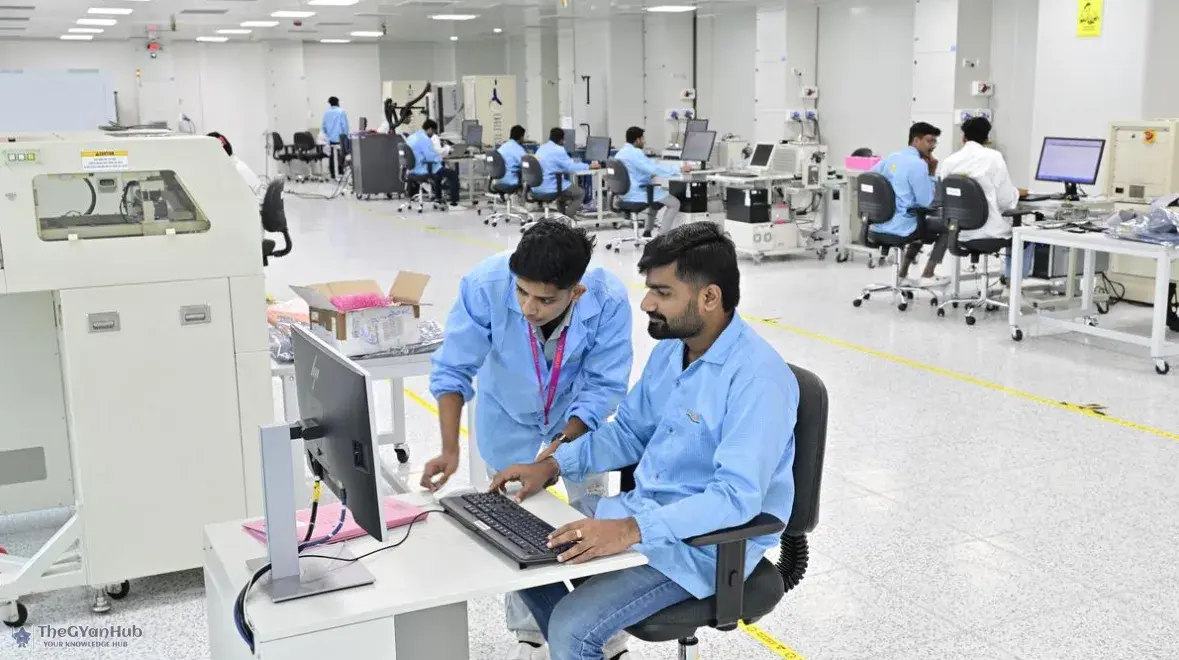
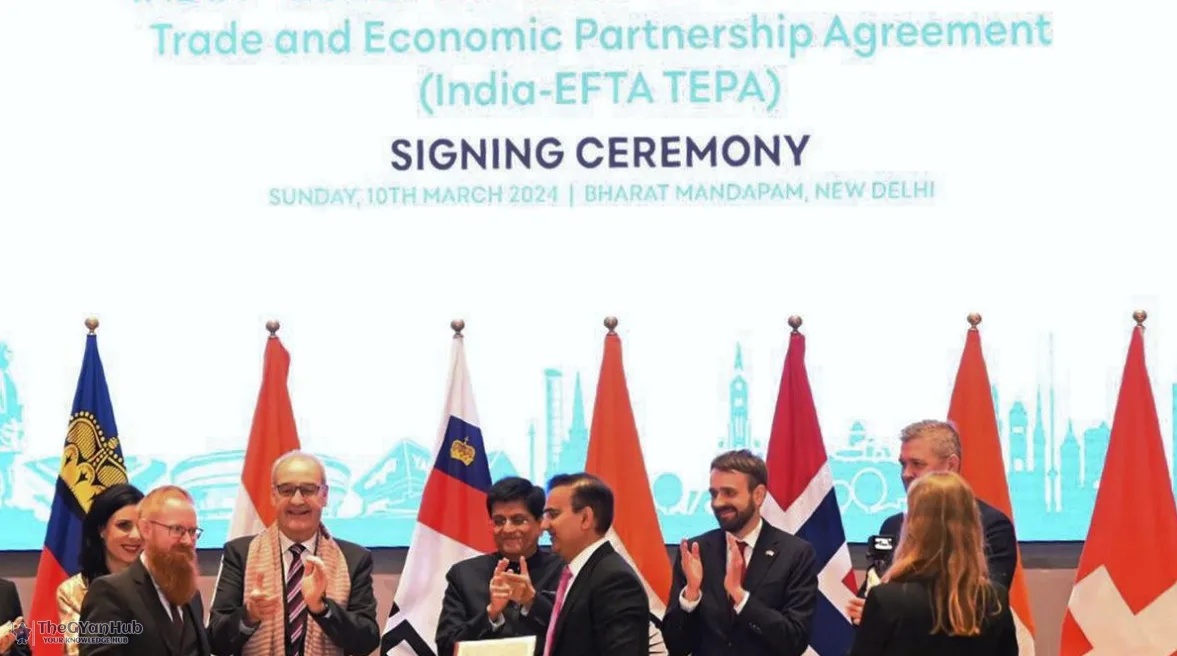
The India-European Union Free Trade Agreement (FTA) is a significant step towards enhancing economic ties between India and the EU. This agreement aims to facilitate trade in various sectors, particularly focusing on advanced technologies such as artificial intelligence (AI) and semiconductors. As both regions strive for technological advancement, the FTA is expected to create a robust framework for collaboration and innovation.
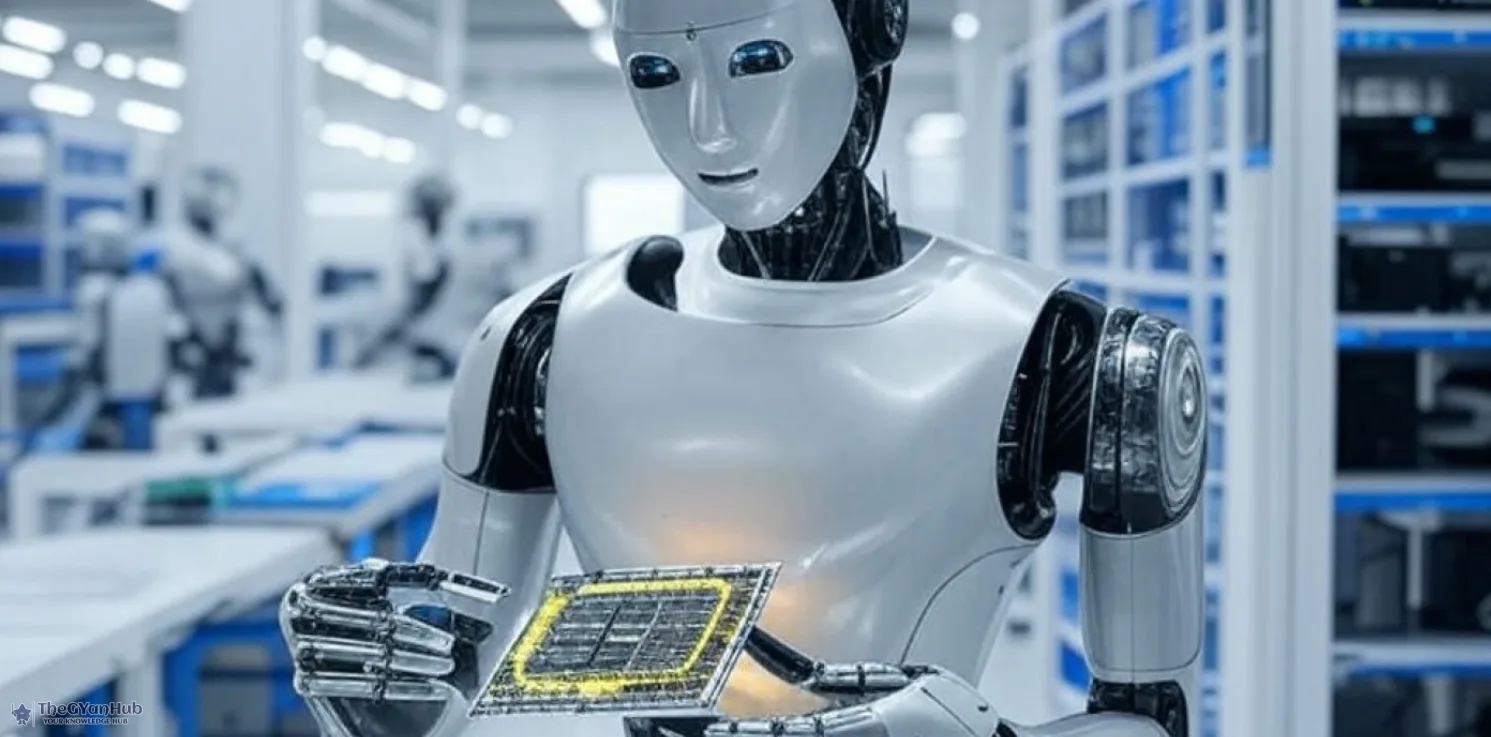
AI and semiconductor technologies are at the forefront of the global tech revolution. AI is transforming industries by enabling automation, enhancing decision-making processes, and improving efficiency. On the other hand, semiconductors are the backbone of modern electronics, powering everything from smartphones to advanced computing systems. The synergy between these two fields is crucial for driving future innovations.
India has emerged as a significant player in the global tech landscape, with a burgeoning AI sector and a growing semiconductor industry. The country's vast pool of talent and increasing investments in research and development are paving the way for advancements in these fields. Meanwhile, the EU is home to some of the world's leading semiconductor manufacturers and AI research institutions, making it an ideal partner for collaboration.
Enhanced Trade Relations: The FTA is expected to reduce tariffs and trade barriers, making it easier for companies in both regions to collaborate and exchange technology.
Investment Opportunities: The agreement will likely attract investments in AI and semiconductor sectors, fostering innovation and job creation.
Knowledge Sharing: Collaboration between Indian and European firms will facilitate knowledge transfer, leading to advancements in technology and skills development.
Despite the potential benefits, several challenges remain. Regulatory hurdles, intellectual property rights issues, and differences in market dynamics could pose obstacles to seamless collaboration. Both parties will need to address these challenges to fully realize the potential of the FTA.
The India-EU FTA is poised to reshape the landscape of AI and semiconductor technologies. As both regions work towards a common goal of technological advancement, the collaboration could lead to groundbreaking innovations that benefit not just India and the EU, but the global tech ecosystem as well.
In conclusion, the India-EU FTA represents a significant opportunity for both regions to enhance their capabilities in AI and semiconductor technologies. By fostering collaboration and innovation, this agreement could pave the way for a new era of technological advancement.

May 5, 2026
Samsung may have inadvertently revealed details about the upcoming Galaxy Z Fold 8 and a new Wide Fold variant. This leak has generated significant buzz ahead of the official launch.
April 29, 2026
Rumors are swirling about the potential release of the Apple iPhone Ultra and MacBook Ultra. Here's what we can expect from these upcoming devices.

March 20, 2026
The iQOO Z11 is set to launch on March 26, featuring an impressive 9,020mAh battery and a stunning 165Hz display, promising to redefine smartphone performance.

I’m a passionate writer who loves exploring ideas, sharing stories, and connecting with readers through meaningful content.I’m dedicated to sharing insights and stories that make readers think, feel, and discover something new.