ICMR Seeks Expressions of Interest for Innovative Malaria Detection Technology
3 min readWorld News
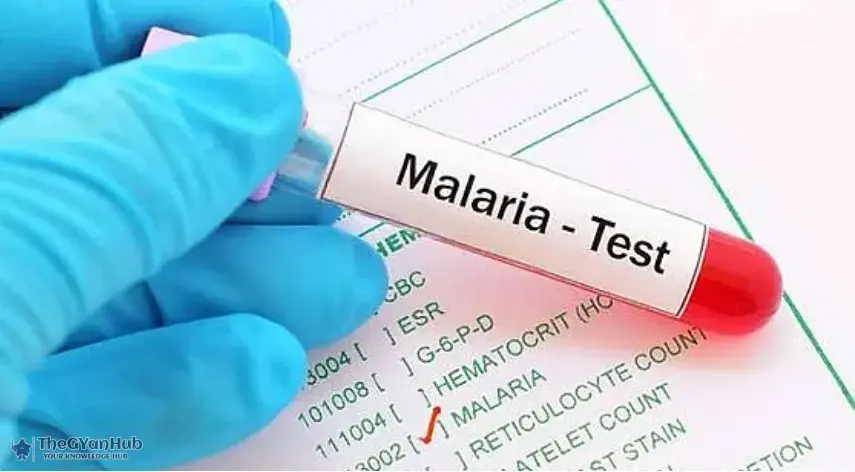
The Indian Council of Medical Research (ICMR) has taken a significant step towards combating malaria by inviting expressions of interest (EoI) for the commercialization of a novel technology designed for species-specific malaria detection. This initiative is expected to revolutionize the way malaria is diagnosed, leading to more effective treatment strategies and improved patient outcomes.
Malaria remains a major public health challenge in many parts of the world, particularly in tropical and subtropical regions. According to the World Health Organization (WHO), there were an estimated 229 million cases of malaria worldwide in 2019, with 409,000 deaths. The disease is caused by parasites transmitted through the bites of infected female Anopheles mosquitoes.
There are several species of malaria parasites, with Plasmodium falciparum and Plasmodium vivax being the most prevalent. Accurate species identification is crucial for effective treatment, as different species respond to different medications. The new technology being commercialized by ICMR aims to address this critical need.

The technology developed by ICMR researchers utilizes advanced molecular techniques to identify malaria species with high precision. This method not only enhances the accuracy of diagnoses but also reduces the time taken to identify the specific malaria strain. Traditional methods often rely on microscopic examination of blood smears, which can be time-consuming and prone to human error.
By leveraging this innovative technology, healthcare providers can quickly determine the appropriate treatment regimen, thereby improving patient care and reducing the risk of complications associated with misdiagnosis.
ICMR's invitation for EoI is aimed at attracting potential partners, including private companies and research institutions, to collaborate in the commercialization process. The goal is to bring this technology to market, making it accessible to healthcare facilities across India and beyond.
Interested parties are encouraged to submit their proposals, outlining their capabilities and plans for commercializing the technology. This collaborative approach is expected to expedite the development and distribution of the malaria detection solution.
Improved Diagnosis: Enhanced accuracy in species identification will lead to better-targeted treatments.
Faster Results: Quick turnaround times for test results will enable timely interventions.
Cost-Effective Solutions: Streamlined processes can reduce healthcare costs associated with malaria treatment.
Broader Accessibility: The commercialization of this technology will make it available in remote and underserved areas.
The ICMR's initiative to commercialize species-specific malaria detection technology represents a significant advancement in the fight against malaria. By fostering collaborations with industry partners, ICMR aims to ensure that this innovative solution reaches those who need it most, ultimately saving lives and improving health outcomes.

Image description: A scientist conducting malaria research in a laboratory.

May 11, 2026
Rahul Khona has made a significant return to Starbucks India as the Chief Technology Officer, bringing a wealth of experience to enhance the brand's technological advancements.

May 10, 2026
This article delves into the intricate dynamics of the coalition led by Vijay, highlighting the pivotal role played by the DMK amidst ongoing political maneuvers in Tamil Nadu.

April 29, 2026
Amazon is leveraging artificial intelligence to streamline its hiring process in anticipation of the upcoming festival rush. The company has also introduced a new AI design philosophy to enhance its operational efficiency.

I’m a passionate writer who loves exploring ideas, sharing stories, and connecting with readers through meaningful content.I’m dedicated to sharing insights and stories that make readers think, feel, and discover something new.