Unpacking the Historic India-US Trade Deal: Trump's Bold 'Zero' Tariff Promise
3 min readWorld News
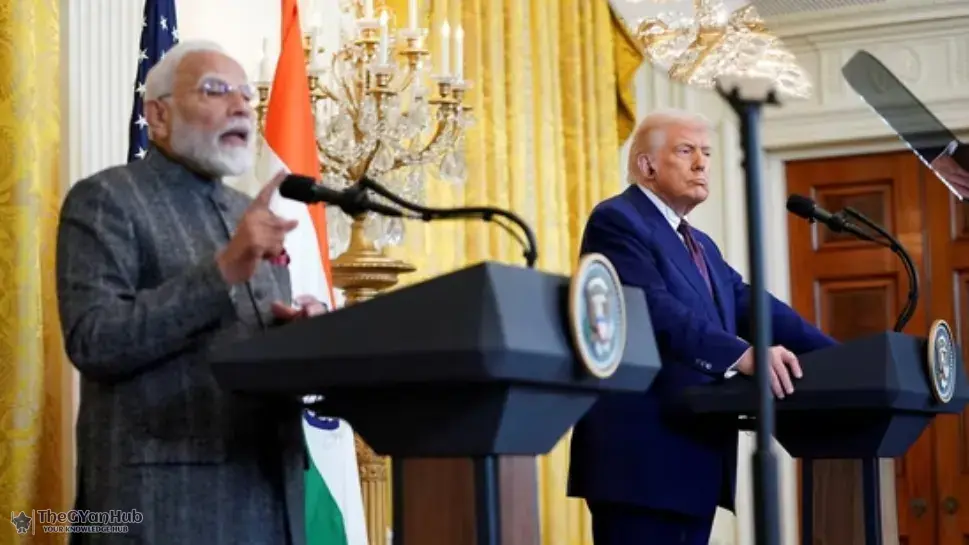
The recent trade deal between India and the United States has been described as a 'historic' step by the Trump administration. This agreement aims to enhance trade relations and open up the Indian market, which boasts over 1.4 billion consumers, to American products. In this article, we will explore the key terms of the deal and the implications of Trump's claim regarding 'zero' tariffs.
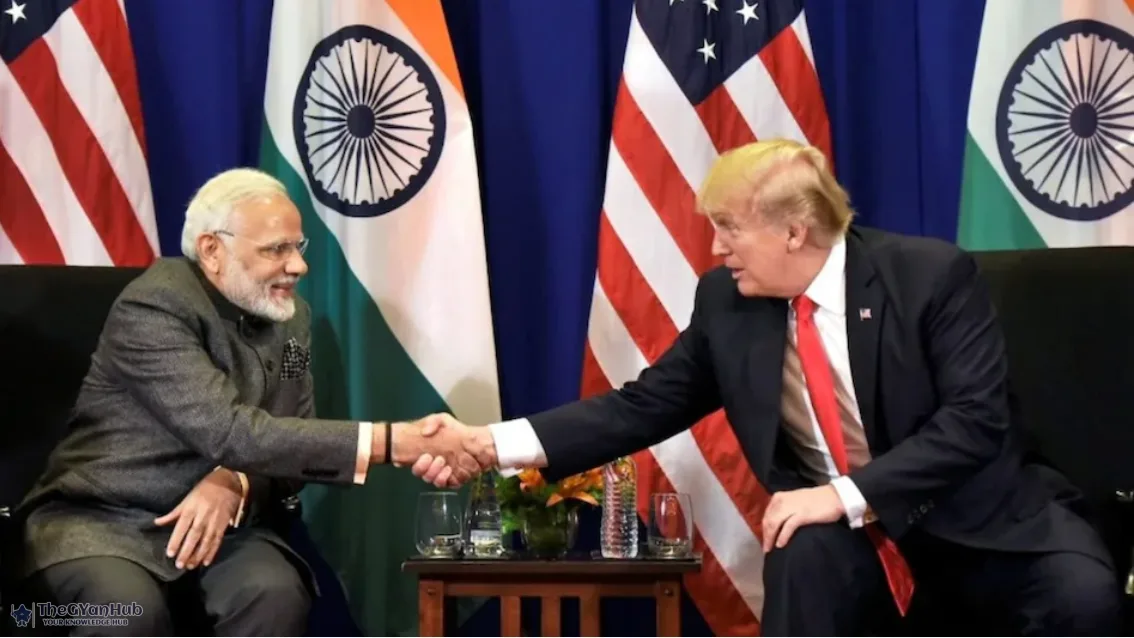
The trade deal encompasses several critical components that are expected to reshape the economic landscape between the two nations. Here are some of the key terms:
Zero Tariffs: One of the most significant aspects of this deal is the promise of zero tariffs on a range of goods, which could lead to increased exports from the US to India.
Market Access: The agreement aims to provide American companies with better access to the Indian market, particularly in sectors like agriculture, technology, and pharmaceuticals.
Investment Opportunities: The deal is expected to encourage American investments in India, fostering economic growth and job creation.
Intellectual Property Rights: Strengthening protections for intellectual property rights is another crucial element, which could benefit American firms operating in India.
The implications of this trade deal are vast and multifaceted. By eliminating tariffs, the US aims to make its products more competitive in the Indian market. This could lead to a surge in American exports, benefiting various sectors such as agriculture and manufacturing.
Moreover, the deal is expected to enhance bilateral relations between the two countries, fostering a stronger economic partnership. The Trump administration views this agreement as a significant achievement, showcasing its commitment to promoting American interests abroad.
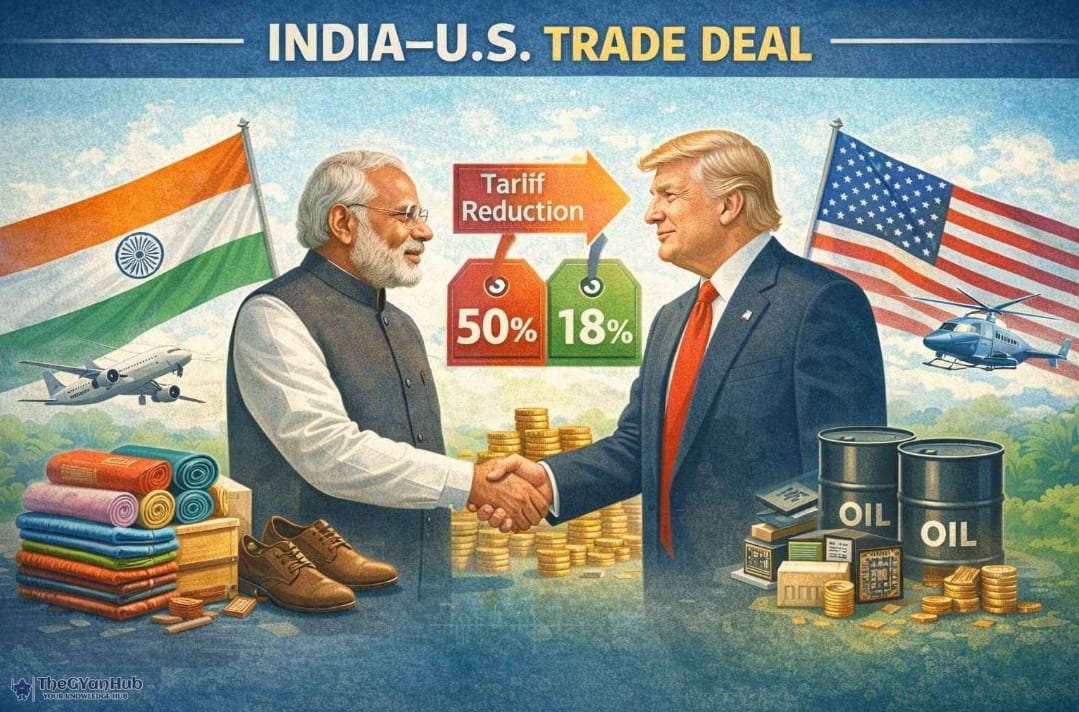
While the trade deal has been met with enthusiasm from some quarters, it has also faced criticism. Critics argue that the promise of zero tariffs may not be entirely feasible, as India has historically maintained protective tariffs to safeguard its domestic industries. Additionally, there are concerns about the potential impact on local businesses and farmers in India.
Furthermore, the deal's focus on American interests raises questions about the balance of benefits for both countries. Ensuring that the agreement is mutually beneficial will be crucial for its long-term success.
The India-US trade deal represents a significant milestone in the economic relationship between the two nations. With the promise of zero tariffs and increased market access, it has the potential to reshape trade dynamics. However, the challenges and criticisms surrounding the agreement highlight the complexities involved in international trade negotiations.
As the deal unfolds, it will be essential to monitor its implementation and the impact it has on both American and Indian economies.

May 11, 2026
Rahul Khona has made a significant return to Starbucks India as the Chief Technology Officer, bringing a wealth of experience to enhance the brand's technological advancements.

May 10, 2026
This article delves into the intricate dynamics of the coalition led by Vijay, highlighting the pivotal role played by the DMK amidst ongoing political maneuvers in Tamil Nadu.
April 29, 2026
Amazon is leveraging artificial intelligence to streamline its hiring process in anticipation of the upcoming festival rush. The company has also introduced a new AI design philosophy to enhance its operational efficiency.

I’m a passionate writer who loves exploring ideas, sharing stories, and connecting with readers through meaningful content.I’m dedicated to sharing insights and stories that make readers think, feel, and discover something new.