Grid Integration and Technology: The Future of Renewable Energy Growth
3 min readWorld News
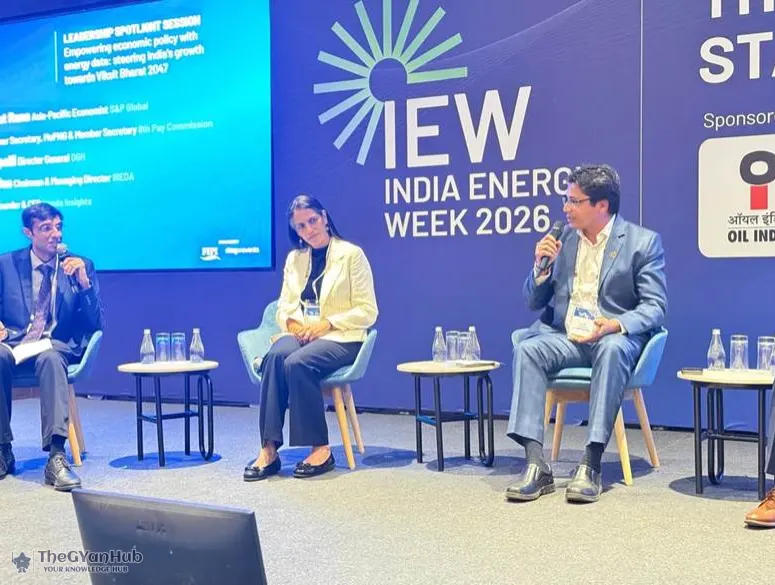
At the recent International Energy Week (IEW) 2026, the Secretary of the Ministry of New and Renewable Energy (MNRE) highlighted the pivotal role of grid integration and advanced technology in fostering renewable energy growth. As the world shifts towards sustainable energy sources, understanding these elements becomes crucial for policymakers, industry leaders, and consumers alike.
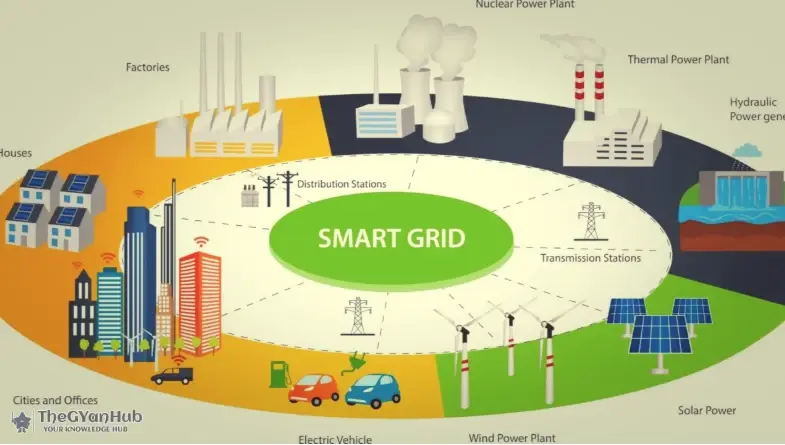
Grid integration refers to the process of connecting renewable energy sources, such as solar and wind, to the existing power grid. This integration is essential for maximizing the efficiency and reliability of renewable energy systems. The MNRE Secretary pointed out that without effective grid integration, the potential of renewable energy cannot be fully realized.
Increased Reliability: A well-integrated grid can handle fluctuations in energy supply and demand, ensuring a stable power supply.
Enhanced Efficiency: Integrating various renewable sources allows for better resource management and reduces waste.
Cost-Effectiveness: Improved grid systems can lower operational costs and make renewable energy more competitive with fossil fuels.
Technological advancements play a crucial role in the integration of renewable energy into the grid. The MNRE Secretary emphasized several key technologies that are transforming the energy landscape:
Smart grids utilize digital technology to monitor and manage the transport of electricity from all generation sources to meet the varying electricity demands of end users. This technology enhances the efficiency of energy distribution and allows for real-time data analysis.
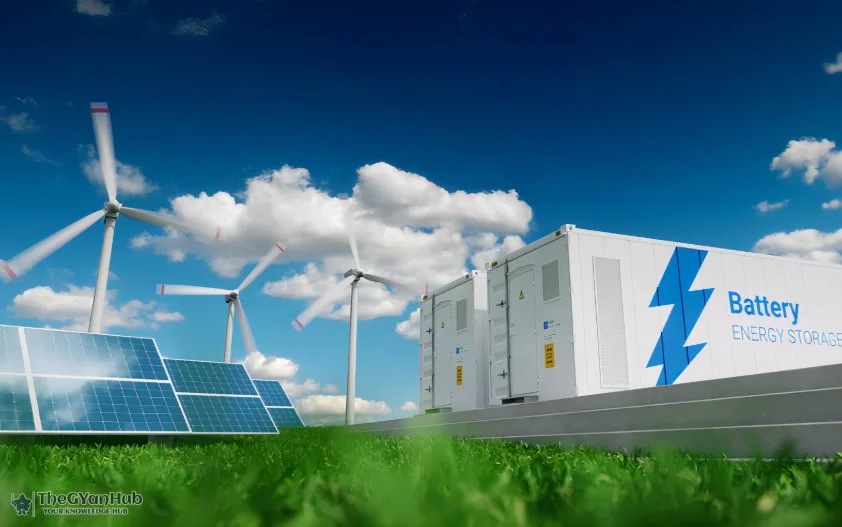
Energy storage systems, such as batteries, are vital for balancing supply and demand. They store excess energy generated during peak production times and release it during periods of high demand, thus stabilizing the grid.
Advanced metering technologies provide consumers with detailed information about their energy usage, enabling them to make informed decisions about their consumption patterns. This can lead to reduced energy costs and increased energy efficiency.
Despite the promising advancements, several challenges remain in the path of effective grid integration and technology adoption:
Infrastructure Investment: Significant investments are required to upgrade existing grid infrastructure to accommodate renewable energy sources.
Regulatory Hurdles: Policymakers must create supportive regulations that encourage innovation and investment in renewable technologies.
Public Awareness: Increasing public awareness about the benefits of renewable energy and grid integration is essential for gaining support.
The insights shared by the MNRE Secretary at IEW 2026 underscore the critical importance of grid integration and technology in driving the growth of renewable energy. As the world moves towards a more sustainable future, addressing the challenges and leveraging technological advancements will be key to unlocking the full potential of renewable resources.

May 11, 2026
Rahul Khona has made a significant return to Starbucks India as the Chief Technology Officer, bringing a wealth of experience to enhance the brand's technological advancements.

May 10, 2026
This article delves into the intricate dynamics of the coalition led by Vijay, highlighting the pivotal role played by the DMK amidst ongoing political maneuvers in Tamil Nadu.

April 29, 2026
Amazon is leveraging artificial intelligence to streamline its hiring process in anticipation of the upcoming festival rush. The company has also introduced a new AI design philosophy to enhance its operational efficiency.

I’m a passionate writer who loves exploring ideas, sharing stories, and connecting with readers through meaningful content.I’m dedicated to sharing insights and stories that make readers think, feel, and discover something new.