Google's New Bengaluru Office: A Strategic Move to Bypass H1-B Visa Challenges for Indian IT Talent
3 min readWorld News
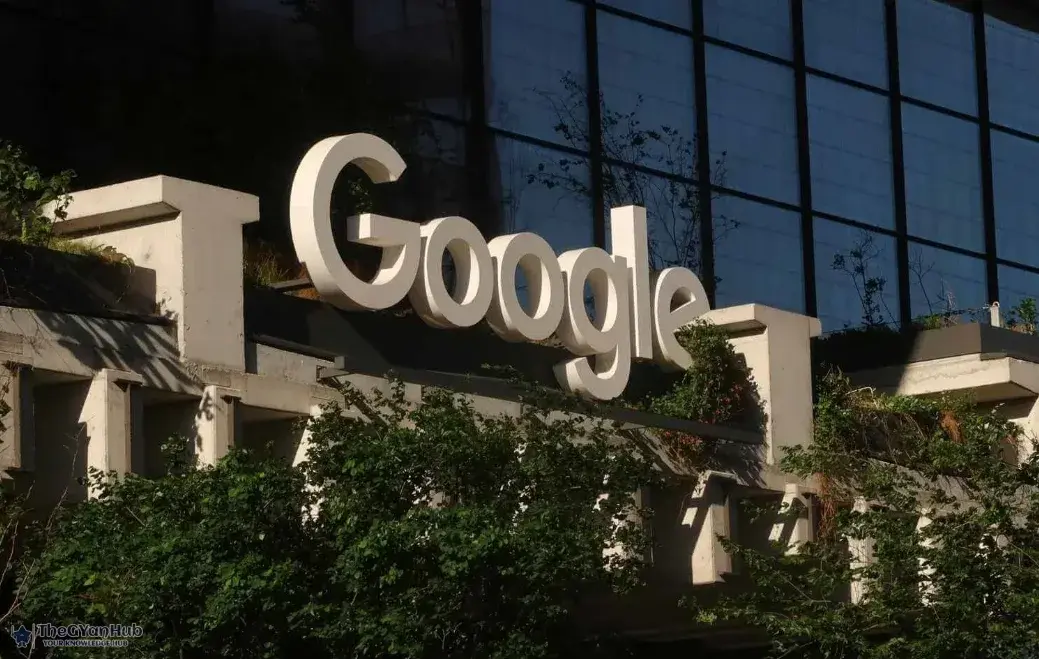
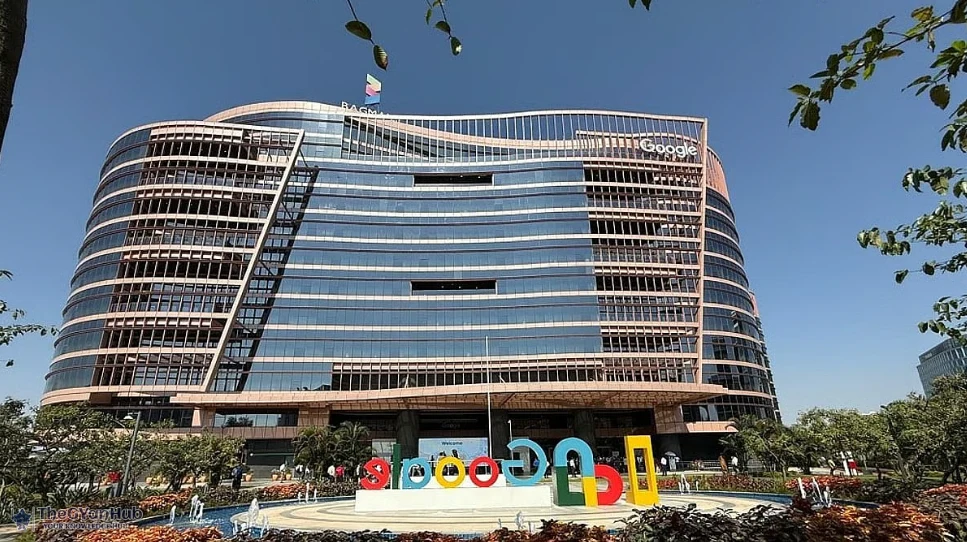
In a significant development for the Indian IT sector, Google has announced plans to establish a new office in Bengaluru, designed to house up to 20,000 employees. This strategic decision comes as a response to ongoing challenges associated with H1-B visa regulations, which have impacted the hiring of skilled professionals from India. By creating a substantial presence in one of the world's leading tech hubs, Google aims to streamline its operations and enhance its talent acquisition efforts.
The H1-B visa program has long been a crucial pathway for tech companies in the United States to hire foreign talent. However, recent changes in immigration policies and increasing scrutiny have made it more difficult for companies like Google to secure these visas for their employees. As a result, many companies are exploring alternative strategies to maintain their workforce while complying with legal requirements.
Indian IT professionals have historically relied on H1-B visas to work in the United States, but the tightening of regulations has created uncertainty. This has led to delays in visa processing and increased competition for a limited number of available visas. Consequently, many talented individuals are left in limbo, unable to pursue opportunities in the U.S. tech industry.
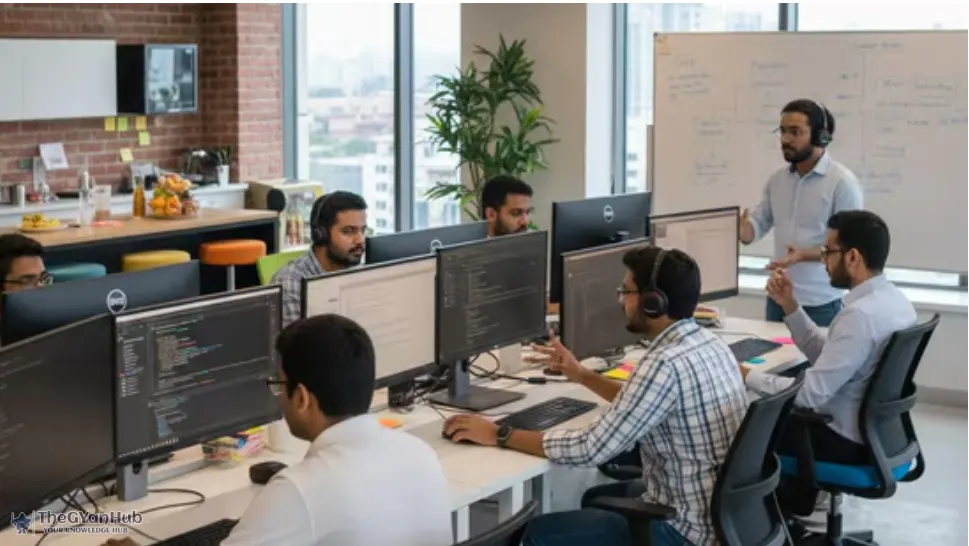
Google's decision to open a new office in Bengaluru is a proactive approach to mitigate the impact of H1-B visa issues. By expanding its operations in India, Google can tap into the vast pool of skilled IT professionals without the constraints of visa limitations. The new office is expected to foster innovation and collaboration, further solidifying Bengaluru's reputation as a global tech hub.
Increased Employment Opportunities: The new office will create thousands of jobs for local talent, contributing to the growth of the Indian economy.
Enhanced Collaboration: Proximity to a large workforce will facilitate better collaboration and innovation among teams.
Support for Local Startups: Google's presence in Bengaluru is likely to boost the local startup ecosystem, providing resources and mentorship.
With the establishment of this new office, Indian IT professionals may find new opportunities for career advancement without the hurdles posed by H1-B visa applications. This move not only benefits Google but also reinforces India's position as a leading destination for tech talent.
Google's expansion in India could set a precedent for other multinational companies facing similar challenges with H1-B visas. As more companies consider establishing or expanding their operations in India, it may lead to a shift in how tech talent is sourced globally. This could ultimately reshape the landscape of the tech industry, making it more inclusive and accessible for professionals around the world.

Google's new office in Bengaluru represents a significant step towards addressing the challenges posed by H1-B visa regulations for Indian IT employees. By investing in local talent and infrastructure, Google is not only enhancing its operational capabilities but also contributing to the growth of the Indian tech ecosystem. As the company moves forward with this initiative, it will be interesting to see how it impacts the broader tech industry and the future of work for IT professionals in India.
May 11, 2026
Rahul Khona has made a significant return to Starbucks India as the Chief Technology Officer, bringing a wealth of experience to enhance the brand's technological advancements.

May 10, 2026
This article delves into the intricate dynamics of the coalition led by Vijay, highlighting the pivotal role played by the DMK amidst ongoing political maneuvers in Tamil Nadu.

April 29, 2026
Amazon is leveraging artificial intelligence to streamline its hiring process in anticipation of the upcoming festival rush. The company has also introduced a new AI design philosophy to enhance its operational efficiency.

I’m a passionate writer who loves exploring ideas, sharing stories, and connecting with readers through meaningful content.I’m dedicated to sharing insights and stories that make readers think, feel, and discover something new.