G.I.T.A Unveils Tech-Led Growth Strategy for Eight Tier-II Cities in India
3 min readEducation
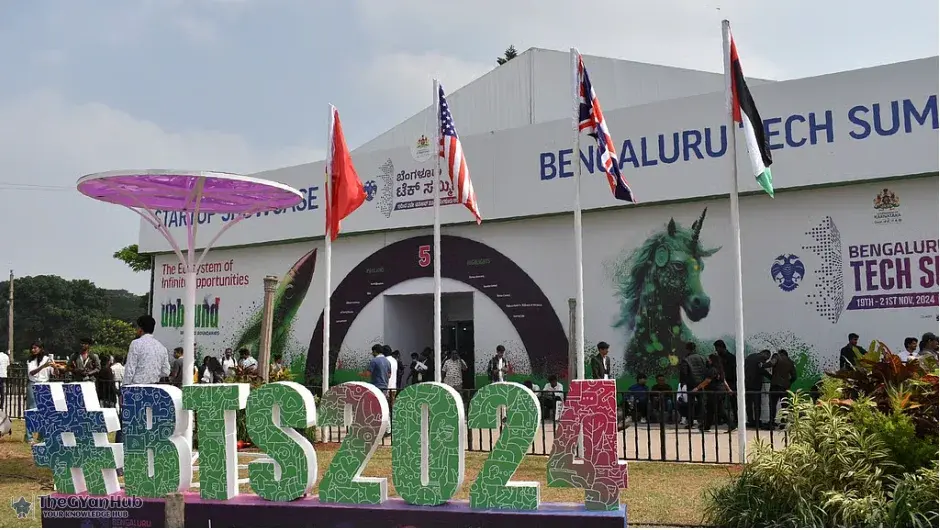
The Indian economy is witnessing a significant transformation, particularly in its Tier-II cities. Recognizing the potential of these urban centers, G.I.T.A has recently unveiled a strategic plan aimed at fostering tech-led growth. This initiative is designed to create sectoral anchors that will not only boost local economies but also enhance the overall technological landscape of these cities.
The G.I.T.A initiative focuses on eight specific Tier-II cities, each selected for their unique potential and challenges. By establishing sectoral anchors, G.I.T.A aims to create a framework that supports innovation, entrepreneurship, and sustainable development. This strategy is expected to leverage technology to address local issues and improve the quality of life for residents.Each of these cities has been chosen based on their growth potential and existing infrastructure. G.I.T.A's strategy aims to enhance these attributes through targeted technological interventions.

The sectoral anchors identified by G.I.T.A include various industries that are pivotal for the growth of these cities. These sectors have been chosen based on their capacity to generate employment, foster innovation, and drive economic growth.
The IT sector is a primary focus, with plans to establish tech parks and incubators that will nurture startups and attract talent. This initiative aims to create a vibrant ecosystem for tech innovation.
By promoting smart manufacturing practices, G.I.T.A seeks to enhance productivity and sustainability in local industries. This includes the adoption of advanced technologies such as IoT and automation.
Integrating technology into agriculture is crucial for improving yields and sustainability. G.I.T.A plans to support agri-tech startups that can provide innovative solutions to local farmers.
With a growing emphasis on sustainability, the renewable energy sector will play a significant role in this strategy. G.I.T.A aims to promote solar and wind energy projects to reduce dependence on fossil fuels.
The implementation of this tech-led growth strategy is expected to yield several positive outcomes:
Increased employment opportunities in tech-driven sectors.
Enhanced quality of life through improved infrastructure and services.
Attraction of investments and talent to Tier-II cities.
Promotion of sustainable practices across various industries.
The G.I.T.A initiative represents a significant step towards harnessing the potential of Tier-II cities in India. By focusing on tech-led growth and establishing sectoral anchors, this strategy aims to create a robust economic framework that benefits local communities and drives national growth.

[Image description: G.I.T.A initiative for tech-led growth in Tier-II cities]
March 19, 2026
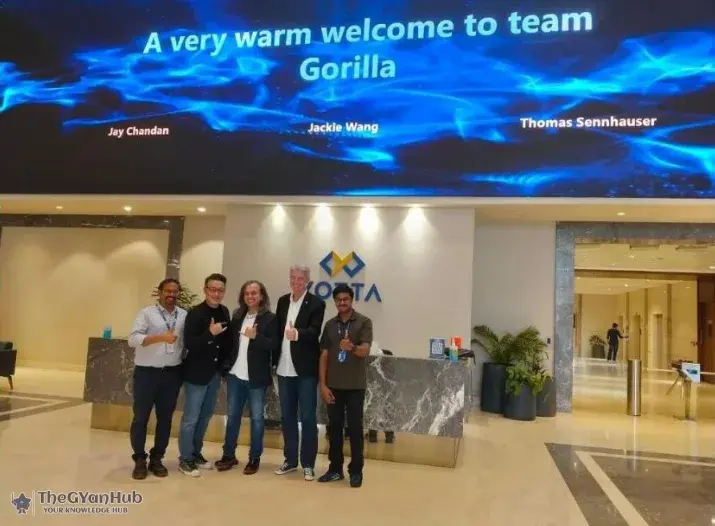
Gorilla Technology has partnered with Yotta to deploy over 5,000 GPUs in India, marking a significant step in enhancing AI infrastructure in the region. This collaboration aims to boost technological advancements and support various industries.

March 16, 2026
Aman Gottumukkala, an Indian-origin tech expert, is set to join Elon Musk's xAI team, aiming to challenge Claude in the AI landscape. This collaboration highlights the growing influence of diverse talent in the tech industry.

March 15, 2026
Dr. Jitendra Singh announces a transformative phase in India's development driven by technology, emphasizing innovation and digital infrastructure as key components for future growth.

I’m a passionate writer who loves exploring ideas, sharing stories, and connecting with readers through meaningful content.I’m dedicated to sharing insights and stories that make readers think, feel, and discover something new.