From Arab Spring to COVID: A Century of Oil Price Volatility
3 min readWorld News
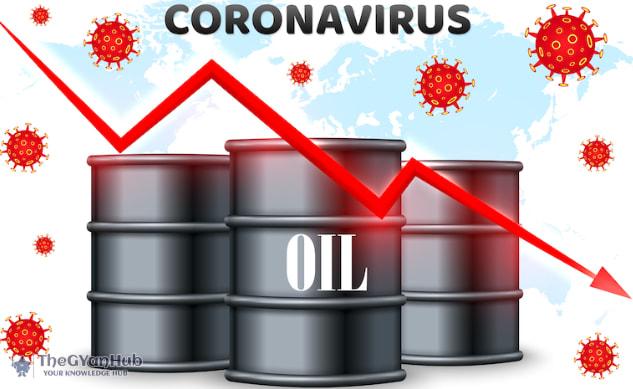
The oil market has experienced significant volatility this century, driven by a series of geopolitical events and global crises. From the Arab Spring uprisings to the COVID-19 pandemic, each incident has left a lasting impact on oil prices, particularly the US benchmark WTI. This article delves into the key events that have shaped the oil market over the past two decades.
The Arab Spring, which began in late 2010, marked a turning point in the Middle East and North Africa. Protests erupted across the region, leading to the overthrow of several long-standing regimes. This period of unrest had a profound effect on oil prices, as many of the affected countries were significant oil producers.
As tensions escalated, oil prices surged. For instance, in early 2011, the price of Brent crude oil reached $120 per barrel, driven by fears of supply disruptions. The instability in Libya, a major oil exporter, further exacerbated these concerns, leading to a spike in prices.

Following the Arab Spring, geopolitical tensions continued to influence oil prices. The ongoing conflict in Syria, the rise of ISIS, and tensions between Iran and the US have all contributed to fluctuations in the oil market. For instance, in 2018, the US re-imposed sanctions on Iran, leading to fears of reduced oil supply and causing prices to rise once again.
In addition, the assassination of Iranian General Qasem Soleimani in January 2020 led to immediate spikes in oil prices, as markets reacted to the potential for conflict in the region. These events highlight how political instability can have immediate and significant effects on oil prices.
The COVID-19 pandemic brought unprecedented challenges to the global economy, and the oil market was no exception. As countries implemented lockdowns and travel restrictions, demand for oil plummeted. In April 2020, WTI crude oil prices even turned negative for the first time in history, reflecting the oversupply and lack of storage capacity.
As economies began to reopen, oil prices gradually recovered, but the volatility remained. OPEC+ agreements to cut production helped stabilize prices, but the market continues to face uncertainty due to ongoing pandemic-related challenges.
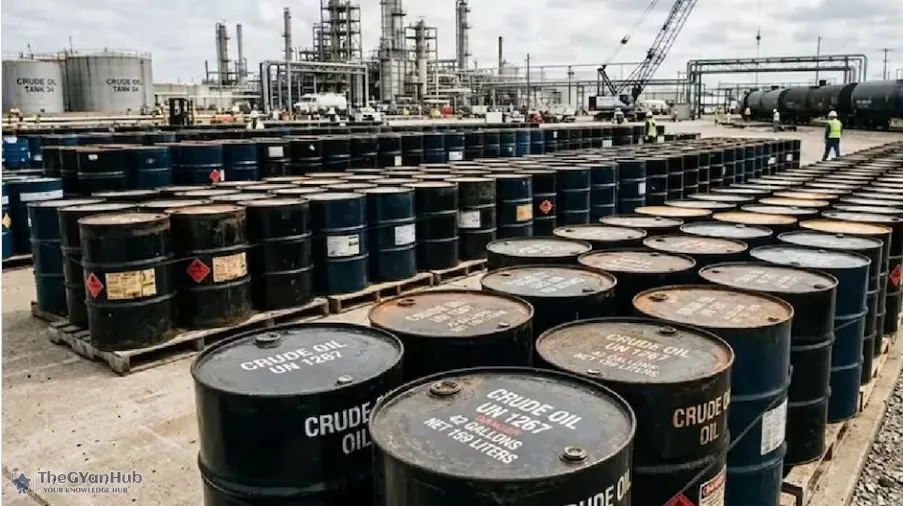
As of 2023, the oil market is once again experiencing significant swings. The recent military actions involving the US and Iran have pushed WTI prices above $100 per barrel. This latest surge underscores the persistent influence of geopolitical events on oil prices.
Looking ahead, analysts predict that the oil market will continue to be influenced by a combination of geopolitical tensions, economic recovery from the pandemic, and the transition to renewable energy sources. The interplay between these factors will likely dictate the future trajectory of oil prices.
The history of oil price swings this century is a testament to the complex interplay between geopolitical events and market dynamics. From the Arab Spring to the COVID-19 pandemic, each event has left its mark on the oil market, shaping prices and influencing global economies. As we move forward, understanding these historical trends will be crucial for navigating the future of energy markets.

May 11, 2026
Rahul Khona has made a significant return to Starbucks India as the Chief Technology Officer, bringing a wealth of experience to enhance the brand's technological advancements.

May 10, 2026
This article delves into the intricate dynamics of the coalition led by Vijay, highlighting the pivotal role played by the DMK amidst ongoing political maneuvers in Tamil Nadu.

April 29, 2026
Amazon is leveraging artificial intelligence to streamline its hiring process in anticipation of the upcoming festival rush. The company has also introduced a new AI design philosophy to enhance its operational efficiency.

I’m a passionate writer who loves exploring ideas, sharing stories, and connecting with readers through meaningful content.I’m dedicated to sharing insights and stories that make readers think, feel, and discover something new.