Driverless Robotaxis: Revolutionizing Transport Amidst Challenges
3 min readAutomobiles
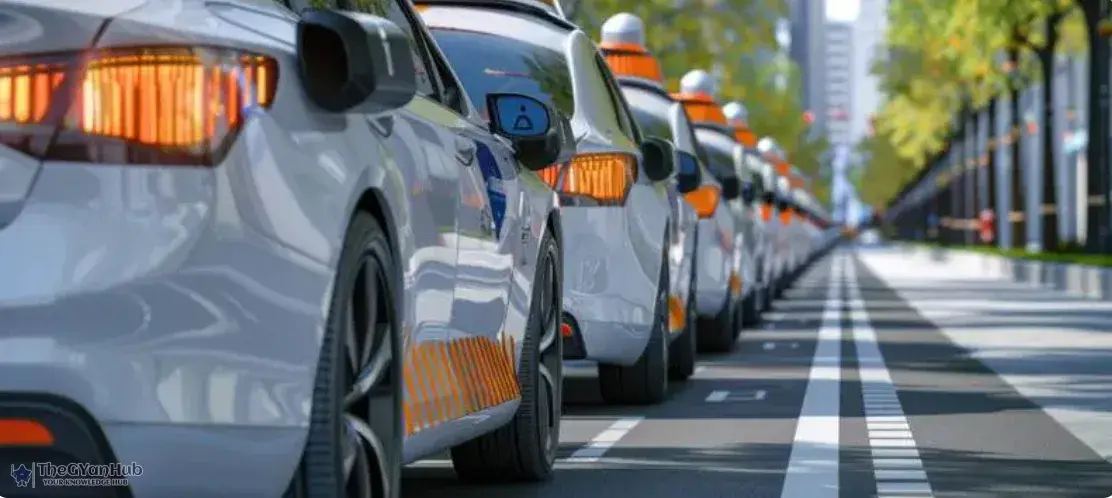
In recent years, the concept of driverless robotaxis has transitioned from science fiction to reality. Companies around the world are racing to deploy these autonomous vehicles in urban environments, promising a future of convenience and efficiency. With major cities like San Francisco and Beijing already testing these vehicles, the global expansion of robotaxis seems inevitable.
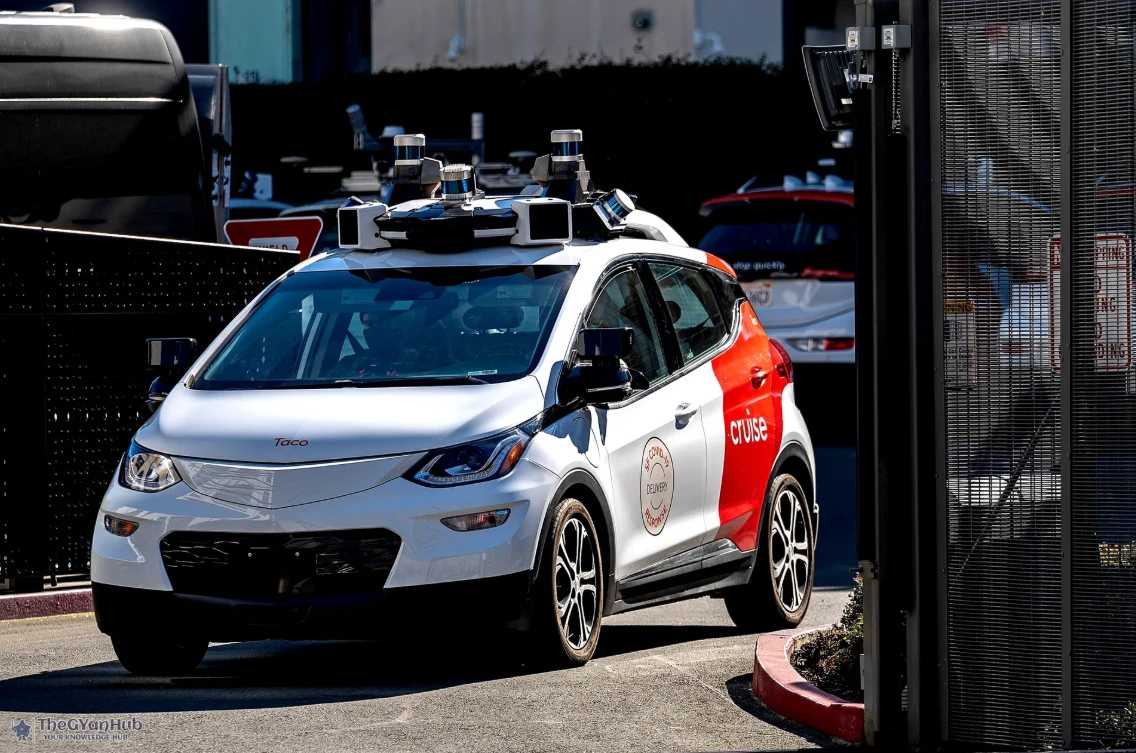
However, the journey towards a fully autonomous transportation system is not without its challenges. Despite technological advancements, several hurdles remain, including regulatory approval, safety concerns, and public acceptance.
Autonomous vehicles rely on a combination of sensors, cameras, and artificial intelligence to navigate complex urban landscapes. Companies like Waymo and Tesla have invested heavily in developing sophisticated algorithms that enable their vehicles to make split-second decisions. These technologies have significantly improved over the years, allowing robotaxis to operate with minimal human intervention.
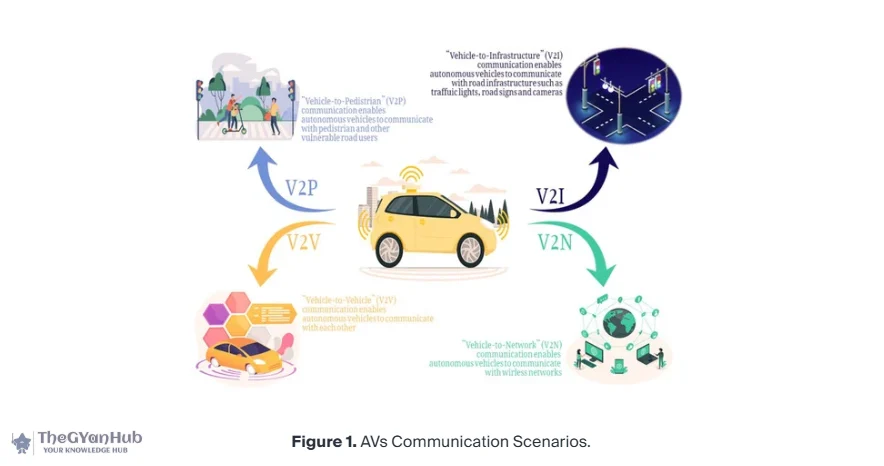
Moreover, advancements in machine learning have enhanced the ability of these vehicles to learn from their surroundings, adapting to new environments with ease. This continuous learning process is crucial for the widespread adoption of driverless technology.
Despite these technological strides, the implementation of driverless robotaxis faces several obstacles. One of the primary challenges is obtaining regulatory approval from governments. Each country has its own set of rules and safety standards that autonomous vehicles must meet before they can operate on public roads.
Safety remains a paramount concern, as even minor malfunctions can lead to significant accidents. Companies must ensure that their vehicles are equipped with fail-safe mechanisms to prevent such incidents. Additionally, public perception plays a crucial role in the adoption of this technology. Many people remain skeptical about the safety and reliability of driverless vehicles, which could hinder their widespread acceptance.
Despite these challenges, the global expansion of driverless robotaxis continues at a rapid pace. Countries like the United States, China, and Germany are at the forefront of this technological revolution, with several pilot programs already underway. These initiatives aim to demonstrate the viability and benefits of autonomous transportation, paving the way for broader implementation.
Looking ahead, the future of driverless robotaxis appears promising. As technology continues to evolve, it is expected that these vehicles will become more efficient, affordable, and accessible to the general public. The potential benefits include reduced traffic congestion, lower emissions, and improved mobility for individuals who are unable to drive.
While the dream of fully autonomous transportation is still a work in progress, the advancements made so far are commendable. Driverless robotaxis represent a significant step towards a more sustainable and efficient future. However, overcoming the existing challenges will require collaboration between technology developers, regulators, and the public.
As we move forward, it will be crucial to address safety concerns and build public trust in this emerging technology. Only then can we fully realize the potential of driverless robotaxis and transform the way we commute.
February 24, 2026
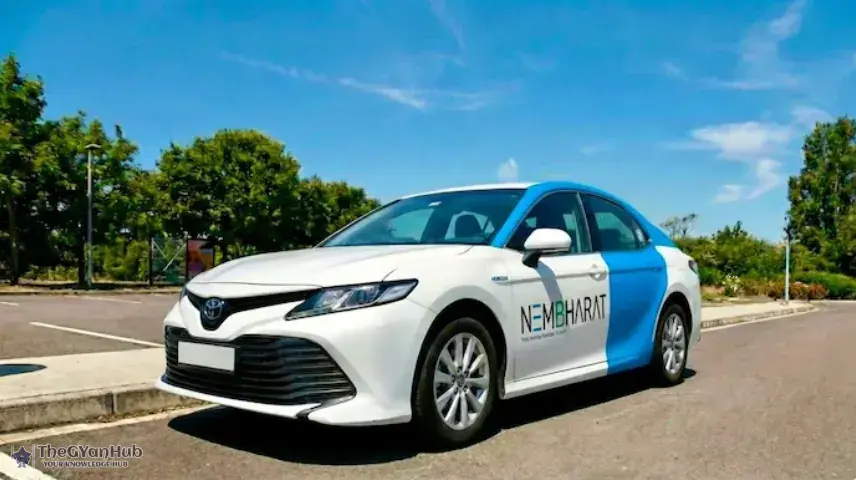
Nembharat is gearing up to launch in India, aiming to disrupt the ride-hailing market dominated by Uber and Ola. With a unique model of zero driver commissions, it promises to reshape the landscape of transportation services.
February 11, 2026
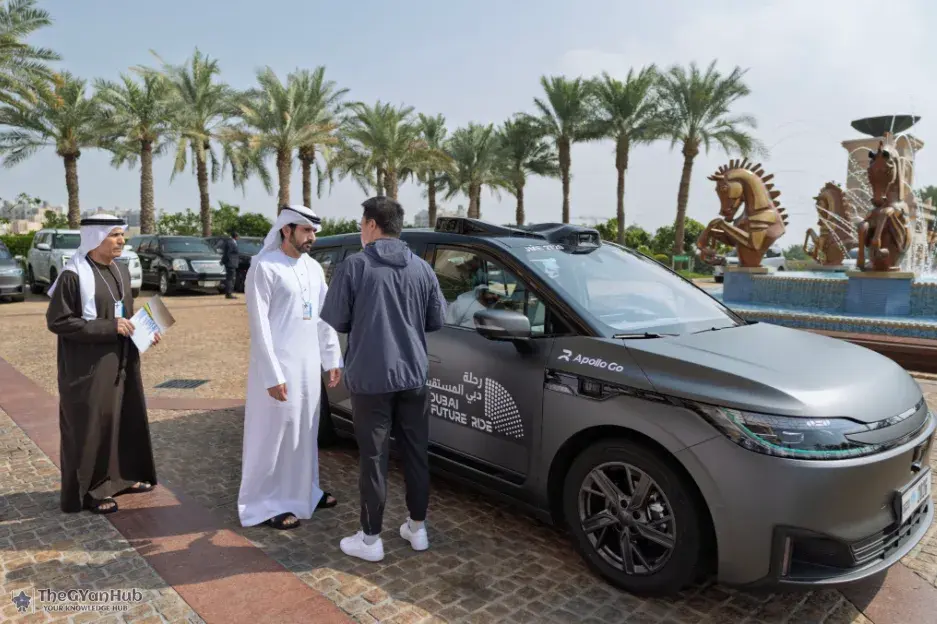
Dubai has officially rolled out Baidu's driverless taxis, marking a significant step towards its goal of deploying 1,000 AI-powered cabs in the coming years. This initiative aims to revolutionize urban transportation in the city.
January 17, 2026
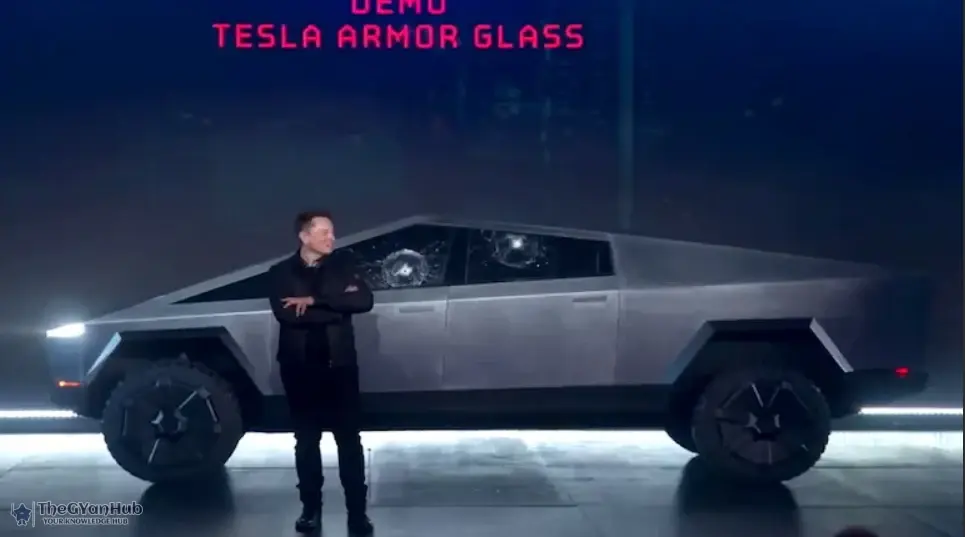
Elon Musk once surprised fans by giving away a free Cybertruck to those who completed a unique 24-hour task. This unusual promotion showcased Musk's innovative approach to engaging with his audience.

I’m a passionate writer who loves exploring ideas, sharing stories, and connecting with readers through meaningful content.I’m dedicated to sharing insights and stories that make readers think, feel, and discover something new.