Court Declares Maintenance for Estranged Wives as a Right, Not Charity
3 min readEducation
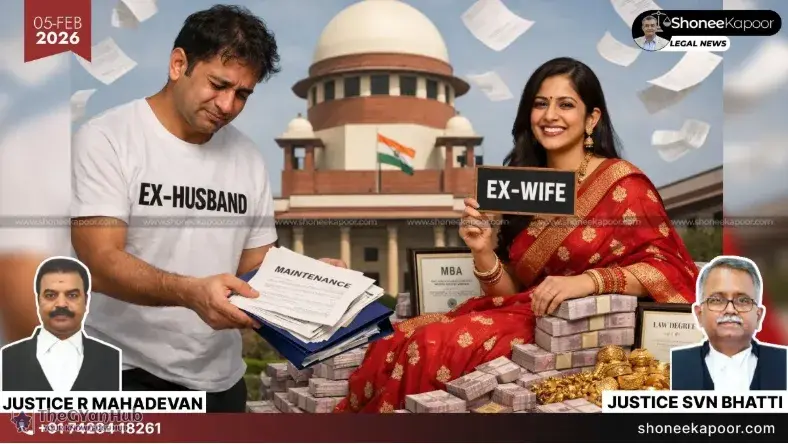
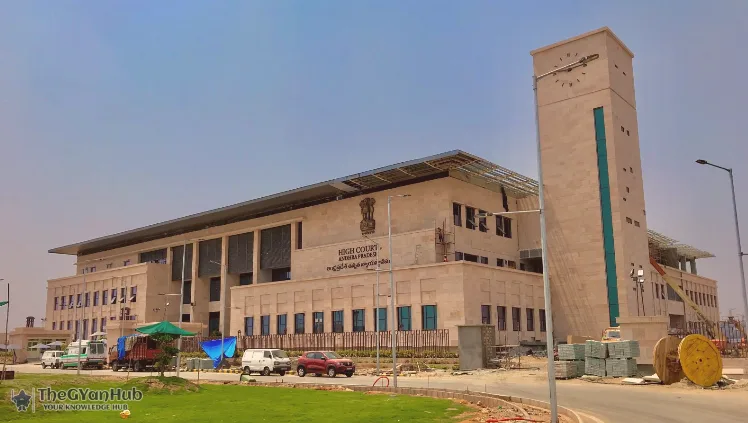
In a landmark ruling, the Andhra Pradesh High Court has made a significant declaration regarding the issue of maintenance for estranged wives. The court emphasized that providing maintenance is not merely an act of charity but a fundamental right that must be upheld to ensure justice and equity. This ruling has far-reaching implications for the rights of women in India, particularly in the context of marital disputes.
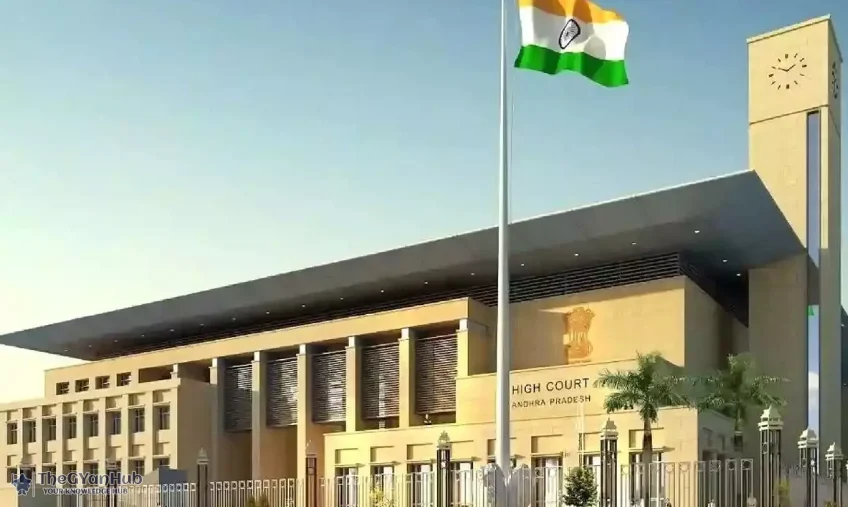
The High Court's decision came in response to a case where an estranged wife sought maintenance from her husband. The court highlighted that the right to maintenance is essential for the sustenance and dignity of women, especially those who may find themselves in vulnerable situations after separation. The ruling underscores the need for legal frameworks that protect the rights of women and ensure they are not left destitute.
Maintenance laws in India have evolved over the years, reflecting changing societal norms and the increasing recognition of women's rights. The court's ruling aligns with various provisions in Indian law that aim to provide financial support to estranged wives. Under Section 125 of the Code of Criminal Procedure, a wife can claim maintenance from her husband if she is unable to maintain herself.
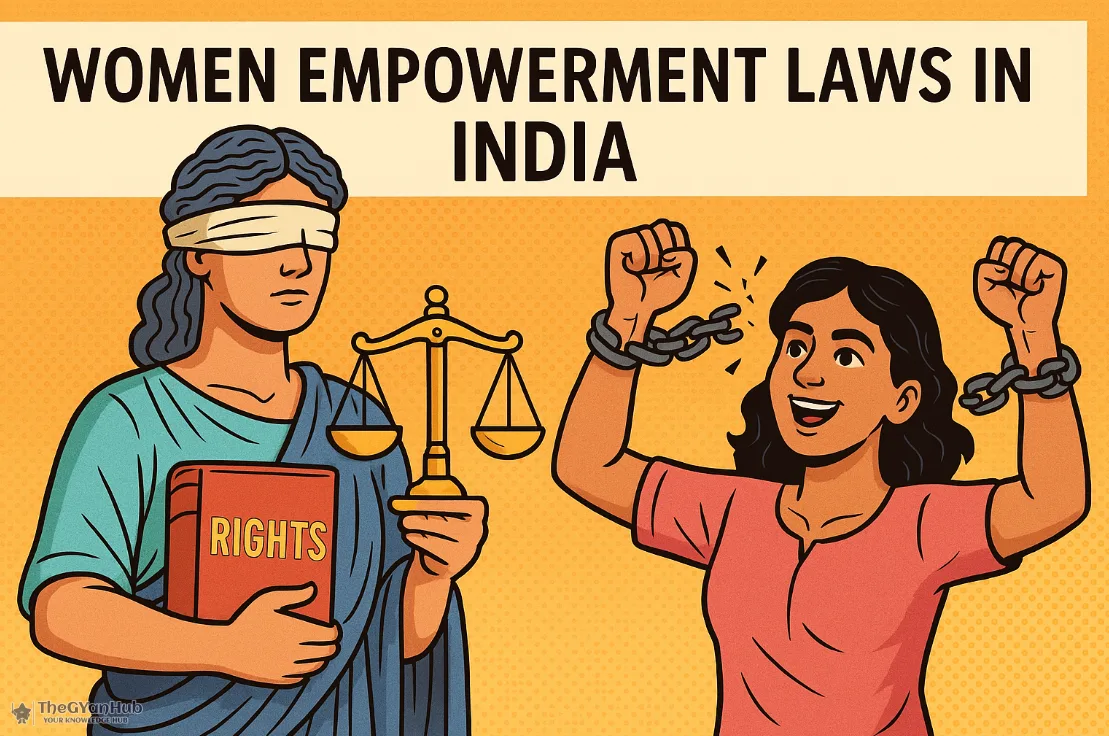
This ruling is a significant step towards empowering women and ensuring their financial security post-separation. It sends a strong message that the legal system recognizes the struggles faced by women in such situations. By framing maintenance as a right, the court aims to eliminate the stigma associated with seeking financial support from estranged spouses.
The court's emphasis on equity and justice is crucial in a society where many women face economic hardships after separation. The ruling reinforces the idea that financial support should be a matter of right, not a privilege granted at the discretion of the husband. This perspective is essential for fostering a more equitable society where women can live with dignity.
The ruling has been met with widespread approval from women's rights activists and legal experts. Many believe that this decision will encourage more women to seek their rightful claims without the fear of being perceived as burdensome. It is seen as a progressive step towards gender equality in India.
While the ruling is a positive development, challenges remain in its implementation. Many women may still face societal pressures and stigma when seeking maintenance. Additionally, there may be instances where estranged husbands resist compliance with maintenance orders, leading to further legal battles.
The Andhra Pradesh High Court's ruling is a pivotal moment in the ongoing struggle for women's rights in India. By affirming that maintenance is a right, the court has taken a significant step towards ensuring justice and equity for estranged wives. As society continues to evolve, it is crucial that legal frameworks adapt to protect the rights of all individuals, particularly those who are most vulnerable.
March 19, 2026
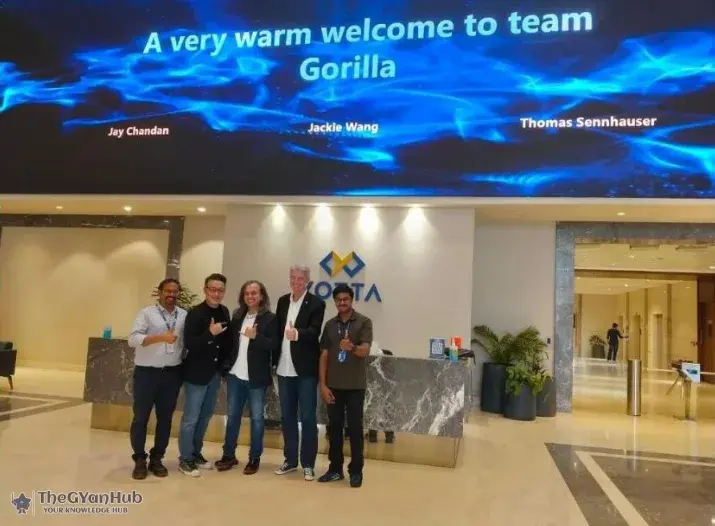
Gorilla Technology has partnered with Yotta to deploy over 5,000 GPUs in India, marking a significant step in enhancing AI infrastructure in the region. This collaboration aims to boost technological advancements and support various industries.
March 16, 2026
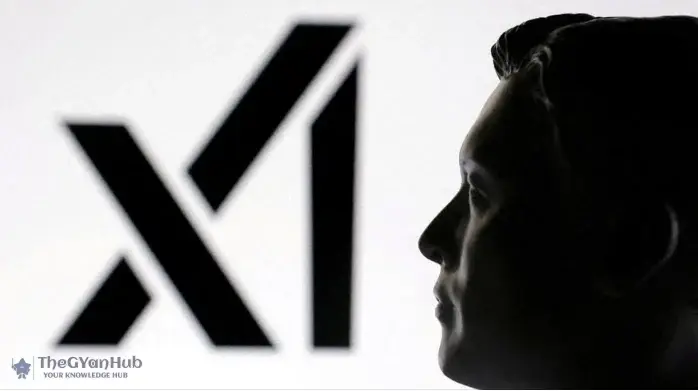
Aman Gottumukkala, an Indian-origin tech expert, is set to join Elon Musk's xAI team, aiming to challenge Claude in the AI landscape. This collaboration highlights the growing influence of diverse talent in the tech industry.
March 15, 2026
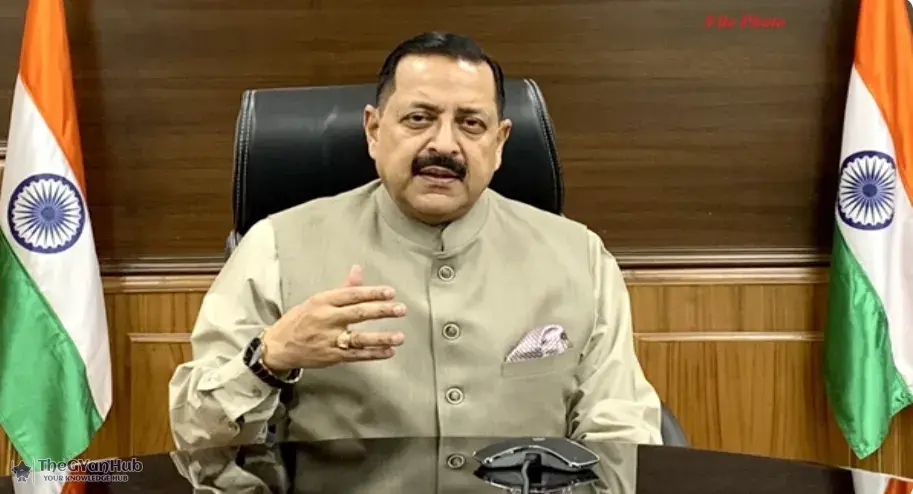
Dr. Jitendra Singh announces a transformative phase in India's development driven by technology, emphasizing innovation and digital infrastructure as key components for future growth.

I’m a passionate writer who loves exploring ideas, sharing stories, and connecting with readers through meaningful content.I’m dedicated to sharing insights and stories that make readers think, feel, and discover something new.