China Lodges WTO Complaint Against India Over Tech Tariffs and Solar Subsidies
2 min readTechnology
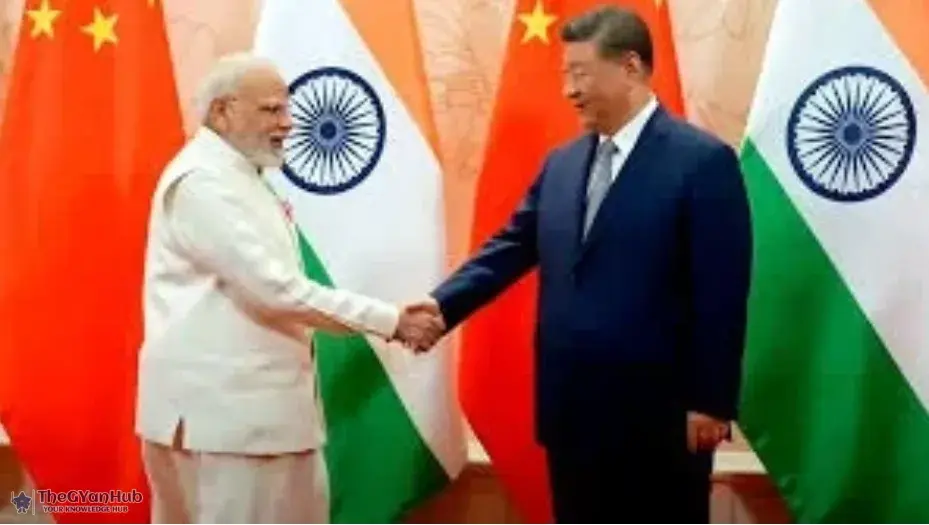
In a significant move, China has lodged a formal complaint with the World Trade Organization (WTO) against India, citing concerns over tariffs on technology products and subsidies provided for photovoltaic cells. This development marks a new chapter in the ongoing trade tensions between the two Asian giants.
The complaint, filed by China, argues that India's tariffs on certain technology products violate WTO rules. These tariffs reportedly affect a range of products, including mobile phones and other electronic devices. Additionally, China is challenging the subsidies India provides to its photovoltaic industry, which Beijing claims distort the market and disadvantage Chinese manufacturers.
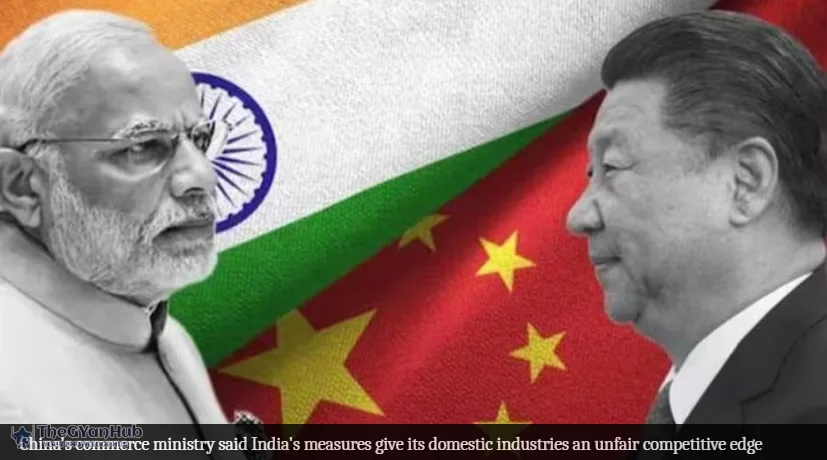
This complaint could further strain the already tense trade relations between China and India. Both countries have been involved in various trade disputes over the years, and this latest move could escalate tensions. The WTO will now have to assess the complaint and decide whether India's policies are indeed in violation of international trade rules.
India, on the other hand, maintains that its tariffs and subsidies are in line with WTO regulations. The Indian government argues that these measures are necessary to protect its burgeoning technology sector and promote renewable energy sources. India has yet to formally respond to the complaint, but officials have indicated that they are prepared to defend their policies at the WTO.
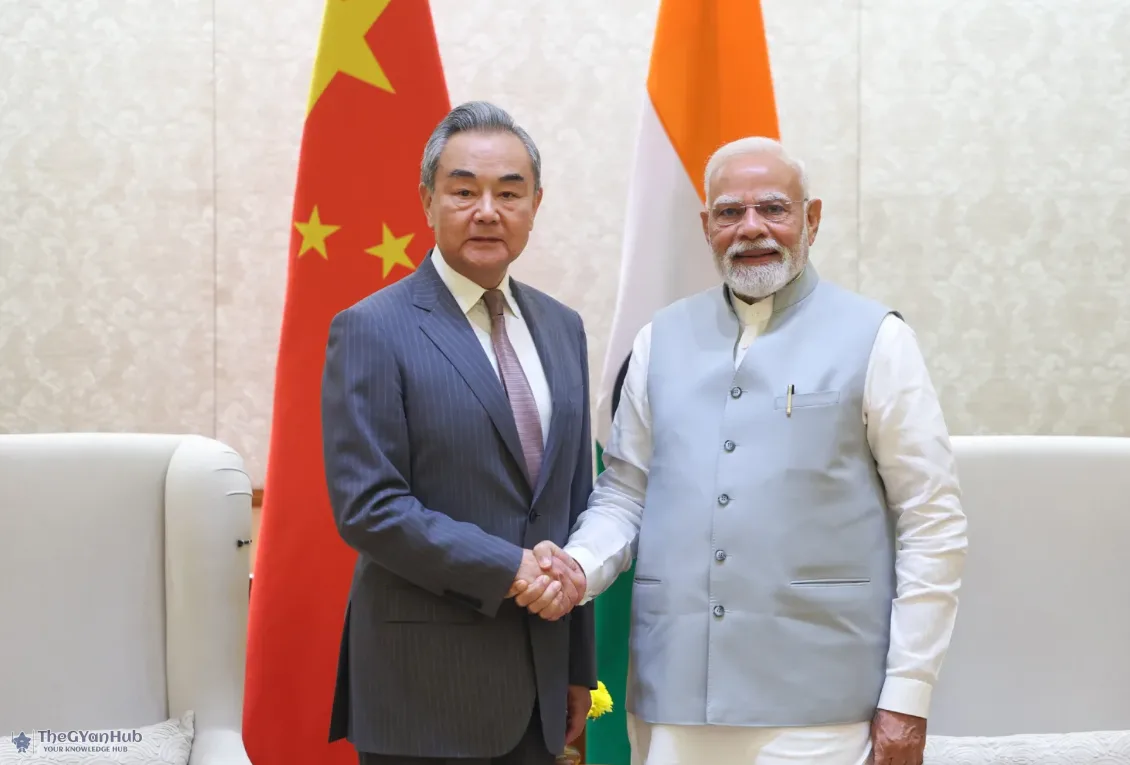
The outcome of this dispute could have significant implications for global trade, particularly in the technology and renewable energy sectors. If the WTO rules in favor of China, it could set a precedent for other countries to challenge similar policies. Conversely, a ruling in favor of India could embolden other nations to implement similar tariffs and subsidies.
As the world watches this case unfold, it serves as a reminder of the complexities of international trade and the delicate balance countries must maintain between protecting domestic industries and adhering to global trade rules. The decision by the WTO will be closely monitored by industry experts and policymakers alike.

May 5, 2026
Samsung may have inadvertently revealed details about the upcoming Galaxy Z Fold 8 and a new Wide Fold variant. This leak has generated significant buzz ahead of the official launch.

April 29, 2026
Rumors are swirling about the potential release of the Apple iPhone Ultra and MacBook Ultra. Here's what we can expect from these upcoming devices.
March 20, 2026
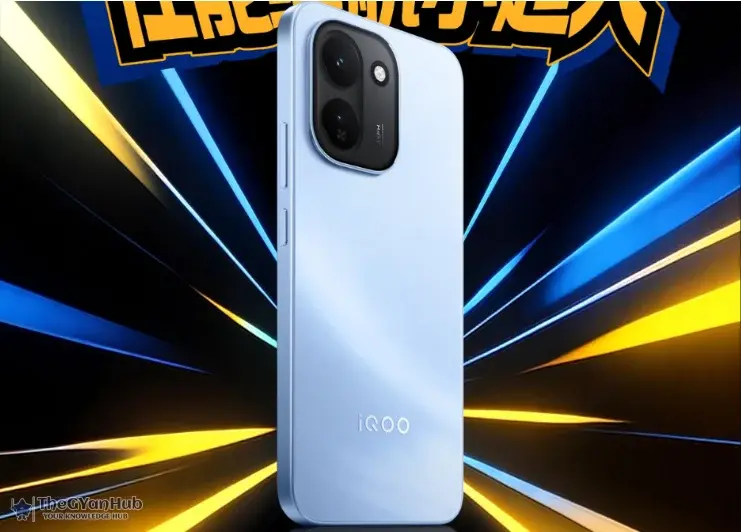
The iQOO Z11 is set to launch on March 26, featuring an impressive 9,020mAh battery and a stunning 165Hz display, promising to redefine smartphone performance.

I’m a passionate writer who loves exploring ideas, sharing stories, and connecting with readers through meaningful content.I’m dedicated to sharing insights and stories that make readers think, feel, and discover something new.