Can India Shape the Script of Global AI Governance? Or Is It Already Written?
3 min readWorld News

The rapid advancement of artificial intelligence (AI) has sparked a global conversation about governance and ethical standards. Countries around the world are racing to establish frameworks that will guide the development and deployment of AI technologies. India, with its burgeoning tech industry and vast talent pool, is in a unique position to influence these discussions. However, the question remains: can India shape the script of global AI governance, or is it already written?
Globally, AI governance is an evolving field. Various nations are implementing regulations and frameworks to address concerns related to privacy, security, and ethical use of AI. For instance, the European Union has proposed comprehensive regulations aimed at ensuring AI systems are safe and respect fundamental rights. In contrast, the United States has taken a more decentralized approach, allowing private sector innovation to drive AI development.
India's approach has been somewhat reactive, responding to global trends rather than proactively shaping them. However, with the increasing importance of AI in economic and social spheres, India must find its voice in these discussions.

India's potential to influence global AI governance stems from several factors:
Large Talent Pool: India boasts a significant number of skilled professionals in the tech sector, making it a hub for AI research and development.
Diverse Use Cases: With its diverse population, India presents unique use cases for AI applications, from healthcare to agriculture, which can inform global standards.
Government Initiatives: The Indian government has launched initiatives like the National AI Strategy, aiming to position the country as a leader in AI.
Despite its strengths, India faces several challenges in shaping global AI governance:
Regulatory Framework: India lacks a comprehensive regulatory framework for AI, which could hinder its ability to influence global standards.
Infrastructure Issues: Inadequate infrastructure in certain regions can limit the deployment of AI technologies.
Global Competition: Other nations, particularly in the West, are also vying for leadership in AI governance, making it a competitive landscape.
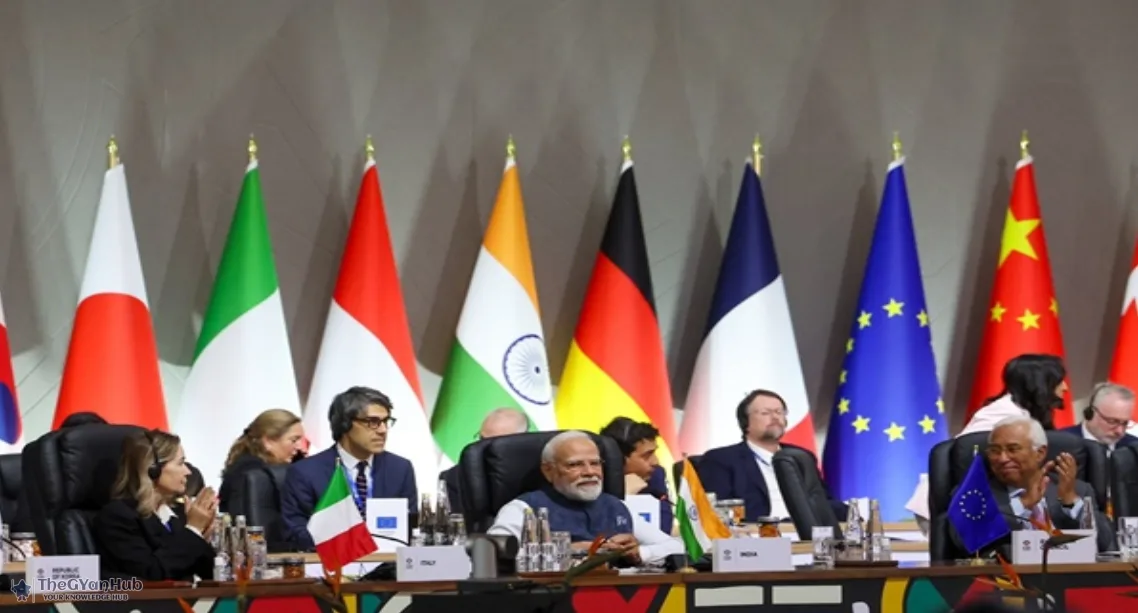
To enhance its influence, India must engage in collaborative efforts with other nations and international organizations. Participation in forums such as the G20 and the United Nations can provide platforms for India to voice its perspectives on AI governance.
Moreover, partnerships with tech companies and academic institutions can foster innovation and help develop best practices that align with global standards.
The private sector plays a crucial role in AI development and governance. Indian tech giants like Infosys and Wipro, along with startups, are at the forefront of AI innovation. Their insights and experiences can significantly contribute to shaping governance frameworks.
By collaborating with international tech firms, Indian companies can also help establish a common ground for ethical AI practices, ensuring that India's voice is heard in global discussions.
As the world navigates the complexities of AI governance, India has the potential to be a key player in shaping the narrative. However, this requires a concerted effort from the government, private sector, and academia to build a robust framework that addresses both local and global challenges. The question remains: will India rise to the occasion, or will the script of global AI governance be written without its input?

February 28, 2026
Prime Minister Narendra Modi inaugurated Micron's advanced semiconductor facility in Sanand, Gujarat, marking a significant step in India's pan-India semiconductor mission. This initiative aims to bolster the country's position in the global semiconductor supply chain.

February 28, 2026
Affle 3i Limited has been granted two new patents in India, enhancing its capabilities in advertisement technology. This development signifies a major step forward in the company's innovative approaches to digital marketing.

February 27, 2026
In a recent deposition, former President Bill Clinton asserted his innocence regarding the Epstein files, stating, 'I saw nothing, and I did nothing wrong.' This statement has sparked discussions and debates across various platforms.

I’m a passionate writer who loves exploring ideas, sharing stories, and connecting with readers through meaningful content.I’m dedicated to sharing insights and stories that make readers think, feel, and discover something new.