Bhopal Slaughterhouse Trail: Unraveling Power, Protection, and Controversy
4 min readEducation
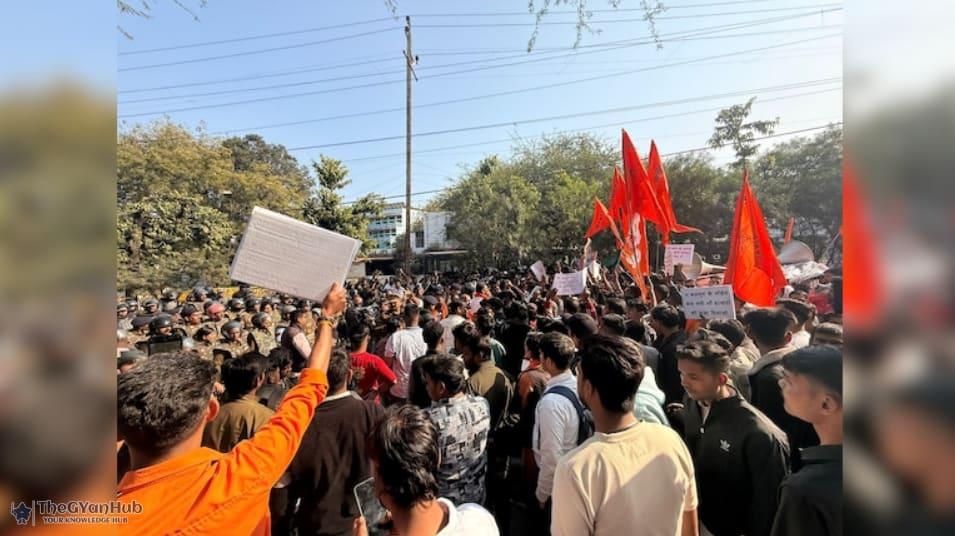
The recent sealing of a slaughterhouse in Bhopal's Jinsi area has sparked a wave of controversy and debate across India. Allegations of cow slaughter have not only put the facility under scrutiny but have also raised unsettling questions about the broader implications of power and protection within the meat industry. This article aims to explore the various facets of this incident, shedding light on the intricate web of politics, law, and societal norms that surround it.
In recent weeks, the Bhopal slaughterhouse has become a focal point for discussions about animal rights, religious sentiments, and the meat trade in India. The sealing of the slaughterhouse was prompted by allegations of illegal cow slaughter, a highly sensitive issue in a country where cows are revered by a significant portion of the population. The incident has not only raised questions about the legality of operations at the slaughterhouse but also about the enforcement of laws related to animal protection.
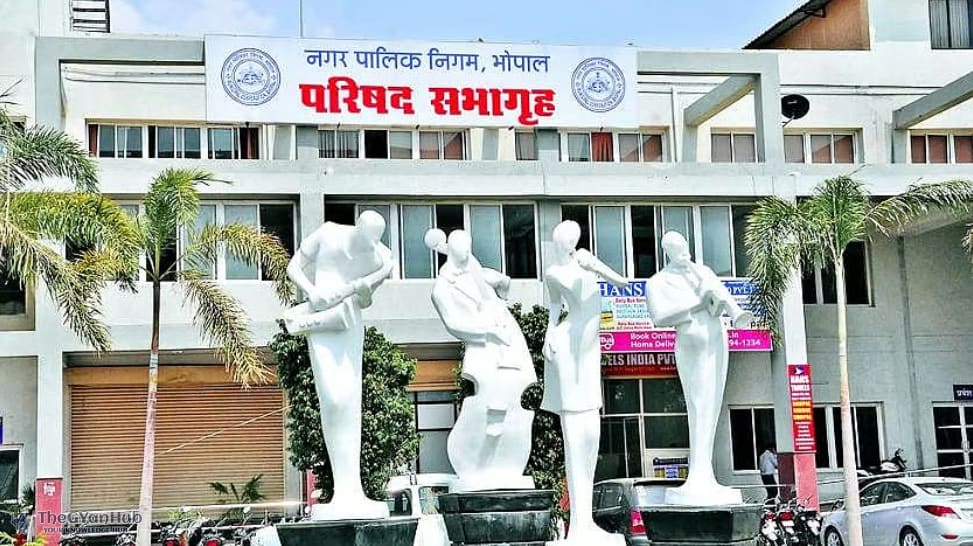
The Bhopal slaughterhouse incident is emblematic of the power struggles that exist within the meat industry. Various stakeholders, including local politicians, animal rights activists, and business owners, have vested interests in the outcome of this case. The interplay of these interests often leads to a complex situation where the enforcement of laws can be influenced by political affiliations and public sentiment.
Local politicians have been quick to capitalize on the incident, using it as a platform to rally support from their constituencies. The issue of cow slaughter is particularly potent in Indian politics, where it can evoke strong emotional responses. Some politicians have called for stricter enforcement of laws against cow slaughter, while others argue for the protection of livelihoods that depend on the meat trade.
Public sentiment surrounding the slaughterhouse has been polarized. Animal rights activists have hailed the sealing of the facility as a victory for animal welfare, while meat traders and their supporters view it as an attack on their livelihoods. This division has led to protests and counter-protests, further complicating the narrative surrounding the incident.
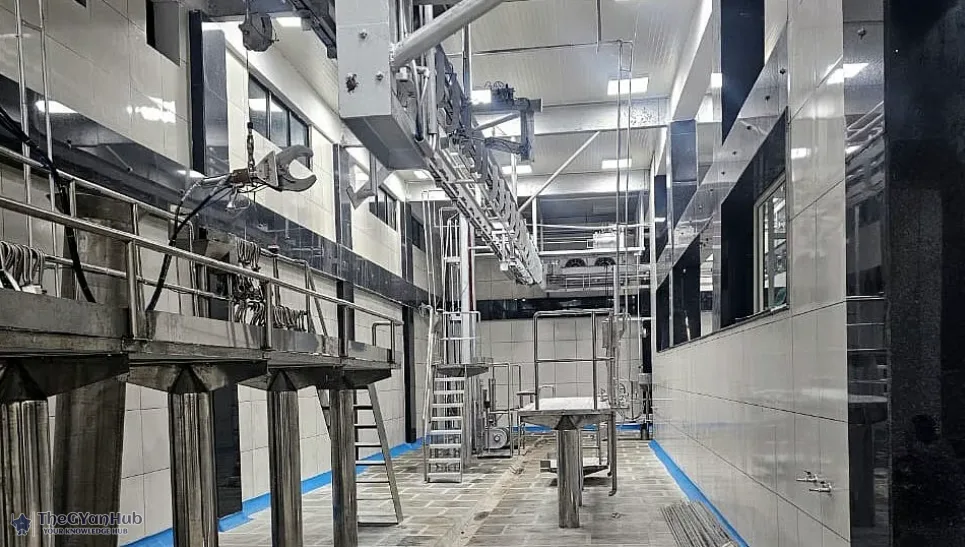
The legal framework governing slaughterhouses in India is complex and varies from state to state. In Madhya Pradesh, where Bhopal is located, laws regarding cow slaughter are particularly stringent. The sealing of the slaughterhouse raises questions about the enforcement of these laws and the potential for legal challenges from the owners of the facility.
Slaughterhouse owners often find themselves caught in a web of regulations and public scrutiny. The fear of legal repercussions can lead to a chilling effect on their operations, pushing them to operate in the shadows or face significant financial losses. The Bhopal incident serves as a cautionary tale for those in the meat industry, highlighting the precarious balance between legality and public perception.
The fallout from the Bhopal slaughterhouse incident extends beyond the immediate legal and political ramifications. It raises important questions about the future of the meat industry in India, particularly in a climate where animal rights and religious sentiments are increasingly at the forefront of public discourse. The incident may lead to calls for reform in how slaughterhouses are regulated and operated, potentially reshaping the landscape of the meat trade in the country.
As the debate continues, the future of slaughterhouses in India remains uncertain. Will stricter regulations lead to a decline in the meat industry, or will there be a push for more humane practices that satisfy both animal rights advocates and meat consumers? The Bhopal slaughterhouse incident may serve as a turning point, prompting a reevaluation of how society views and regulates the meat trade.
The Bhopal slaughterhouse trail is more than just a legal issue; it is a reflection of the complex interplay of power, protection, and societal values in India. As the situation unfolds, it will be crucial to monitor how it impacts the meat industry and the broader discussions surrounding animal rights and religious sentiments in the country.
March 19, 2026
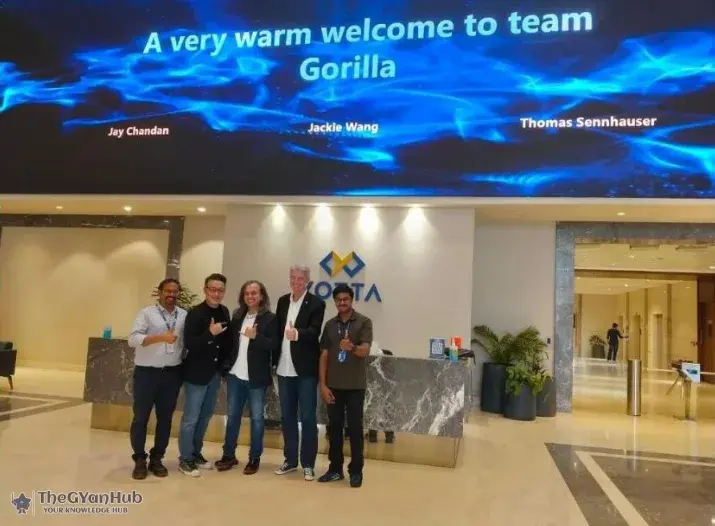
Gorilla Technology has partnered with Yotta to deploy over 5,000 GPUs in India, marking a significant step in enhancing AI infrastructure in the region. This collaboration aims to boost technological advancements and support various industries.

March 16, 2026
Aman Gottumukkala, an Indian-origin tech expert, is set to join Elon Musk's xAI team, aiming to challenge Claude in the AI landscape. This collaboration highlights the growing influence of diverse talent in the tech industry.
March 15, 2026
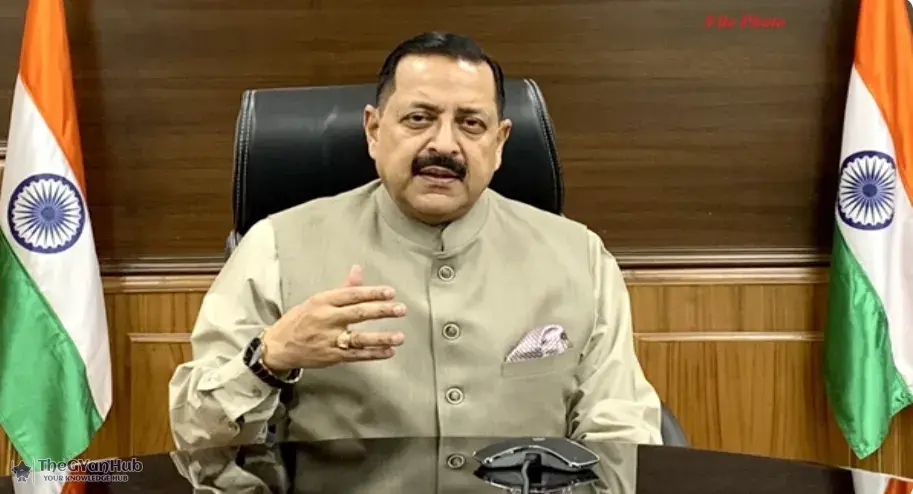
Dr. Jitendra Singh announces a transformative phase in India's development driven by technology, emphasizing innovation and digital infrastructure as key components for future growth.

I’m a passionate writer who loves exploring ideas, sharing stories, and connecting with readers through meaningful content.I’m dedicated to sharing insights and stories that make readers think, feel, and discover something new.