AI in Healthcare: डॉक्टरों की नई ताकत या खतरा?
3 min readArtificial Intelligence
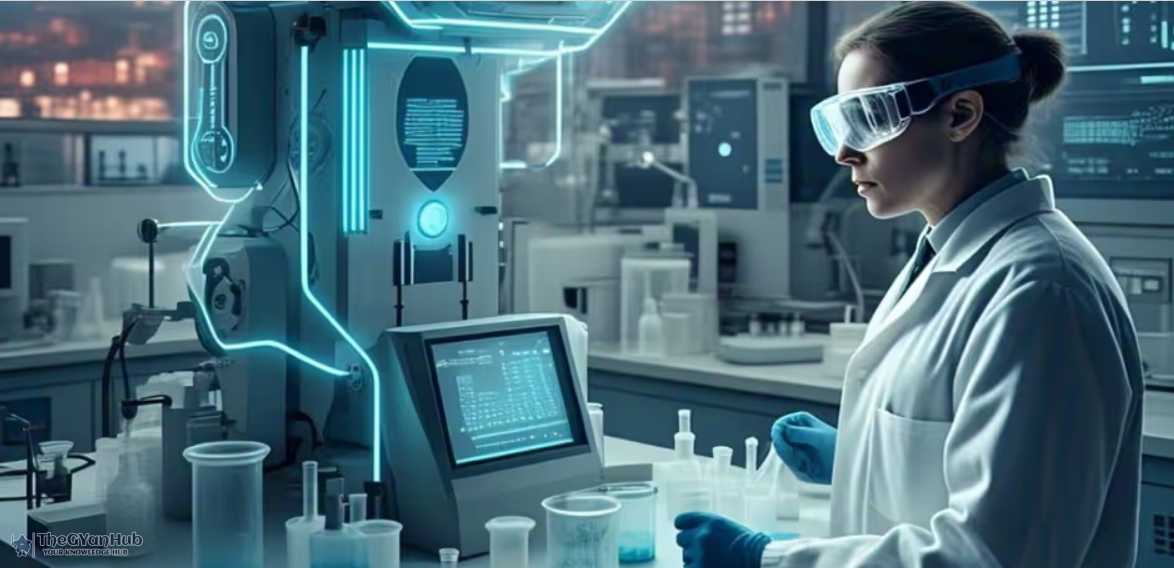
पिछले कुछ वर्षों में अस्पतालों और मेडिकल इंडस्ट्री में patient load बहुत तेजी से बढ़ा है। हर डॉक्टर के पास समय कम होता है और मरीज़ ज़्यादा। ऐसे में आर्टिफिशियल इंटेलिजेंस एक ऐसा टूल बन गया है जो डॉक्टरों को सही diagnosis और फैसले जल्दी लेने में मदद करता है।
AI सिस्टम बड़े पैमाने पर data पढ़ सकता है, imaging scans को analyze कर सकता है, और ऐसी बीमारियों को पहचान सकता है जो इंसानी आंख तुरंत नहीं पकड़ पाती।
आज कैंसर, हार्ट डिजीज और neurological disorders जैसी बीमारियों का शुरुआती संकेत AI algorithms निकाल सकते हैं। इससे इलाज पहले से ज़्यादा effective बन जाता है।
AI-based software जैसे machine learning models CT scan, MRI और X-ray images को analyze कर सकते हैं। ये न सिर्फ tumor की जगह बता सकते हैं बल्कि उसकी severity भी सुझाव दे सकते हैं।
Google और IBM जैसे डिजिटल giants ने AI आधारित diagnostic tools तैयार किए हैं जिनकी accuracy human radiologists के बराबर या कई बार उनसे बेहतर होती है।
ऐसे मशीन सिस्टम लगातार खुद को improve करते हैं; जितना ज्यादा data उन्हें मिलता है, उतना ज्यादा वो सटीक होते जाते हैं। इससे डॉक्टरों को रिपोर्ट समझने में समय कम लगता है और मरीज को जल्दी ट्रीटमेंट मिलता है।
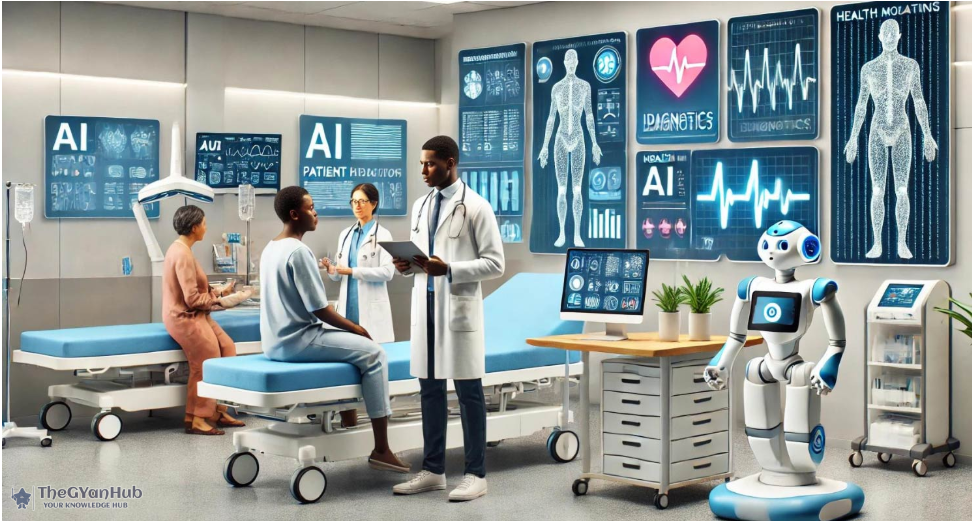
हर व्यक्ति का शरीर, lifestyle और genetics अलग होता है। AI systems इन सभी factors को ध्यान में रखकर personalized treatment plans बना सकते हैं। इससे मरीज को वही दवा और वही therapy मिलती है जो उसके शरीर के लिए सही है।
AI-powered smart hospitals patient records को real-time monitor करते हैं। अगर ICU में मरीज की हालत अचानक खराब होती है, तो AI सिस्टम अलार्म देकर तुरंत doctors को alert कर देता है।
इसके अलावा chatbots और virtual assistants patient को 24x7 सलाह दे सकते हैं, जिससे basic health advice के लिए hospital जाने की जरूरत कम पड़ती है।
AI के आने से बहुत लोग सोचते हैं कि डॉक्टरों या नर्सों की ज़रूरत कम हो जाएगी। लेकिन सच यह है कि AI पूरी तरह इंसान की जगह नहीं ले सकता।
AI सिर्फ एक support tool है – जो doctors और healthcare workers को faster decision लेने में assist करता है। surgery, counseling या emotional care जैसे काम अभी भी इंसानी touch ही मांगते हैं।
हां, repetitive tasks जैसे report typing, appointment scheduling या basic diagnosis में AI मदद करेगा जिससे healthcare staff अपना ध्यान critical patients पर ज्यादा लगा पाएंगे।
भविष्य में AI आधारित तकनीक से healthcare और भी सस्ता, तेज और accessible बन सकता है। ग्रामीण इलाकों में जहां doctors की कमी है वहां AI tools और telemedicine की मदद से लोग अच्छे इलाज तक पहुंच पाएंगे।
AI based robotic surgeries, virtual nursing और predictive analytics जैसी चीजें हेल्थकेयर सिस्टम को बहुत advanced बना देंगी।
Medical colleges में अब AI curriculum भी शामिल किया जा रहा है ताकि future doctors technology-friendly हों। आने वाले वर्षों में healthcare + AI एक combined field बन जाएगी जिसे “AI-Medicine” कहा जाएगा।

February 27, 2026
The WNS chief reassures that artificial intelligence will not eliminate jobs in India's outsourcing sector, emphasizing the potential for AI to enhance productivity and create new opportunities.

February 26, 2026
Salesforce's CEO has confidently stated that the so-called 'SaaSpocalypse' will not spell doom for SaaS. Instead, the rise of AI agents is set to enhance the SaaS landscape significantly.
February 24, 2026
India's technology revenue is expected to soar to $315 billion, with AI contributing a modest 3-4%. This article explores the implications of these figures for the tech landscape in India.

I’m a passionate writer who loves exploring ideas, sharing stories, and connecting with readers through meaningful content.I’m dedicated to sharing insights and stories that make readers think, feel, and discover something new.