The AI Divide: Bridging the Gap in India's Public Schools
3 min readEducation
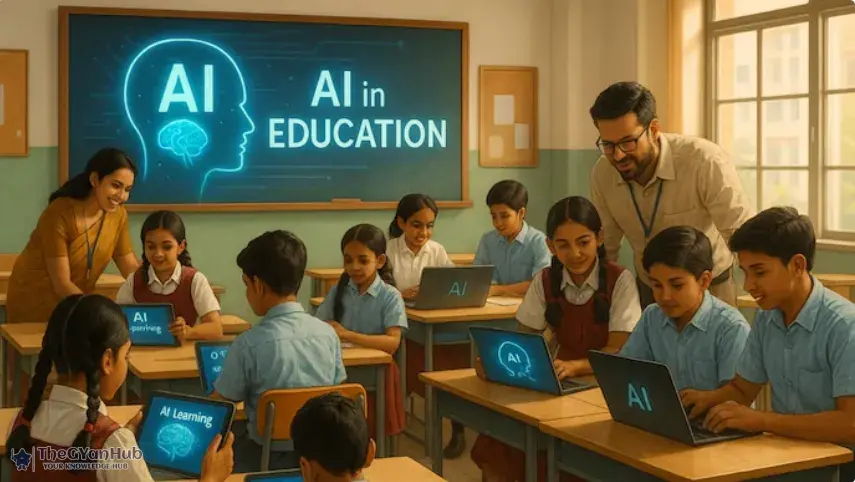
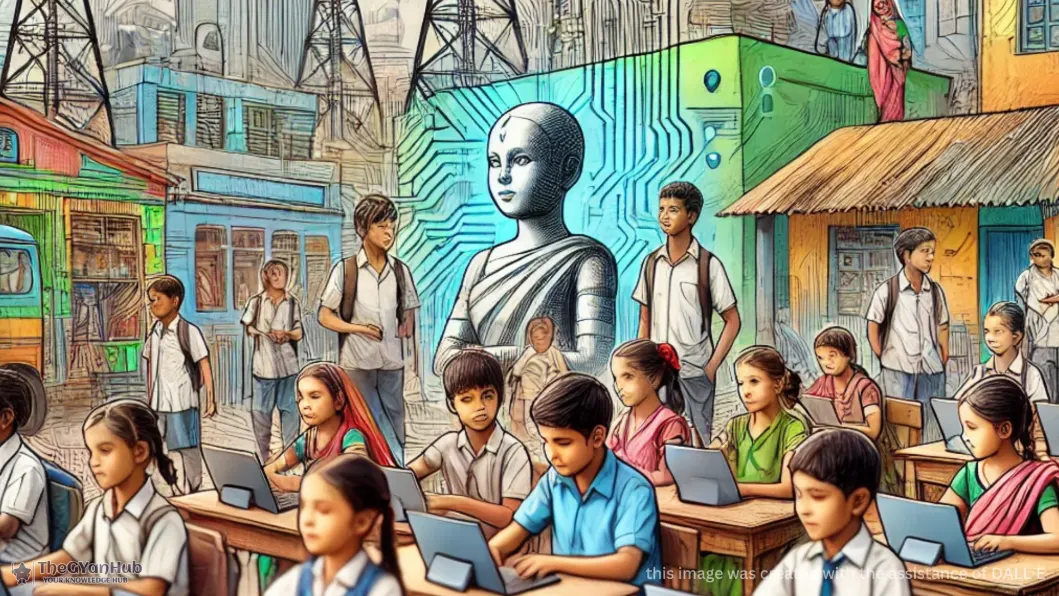
In recent years, artificial intelligence (AI) has transformed various sectors, including education. However, this technological revolution has not been equally accessible to all, particularly in India’s public schools. The disparity in access to AI tools and resources is leaving many students behind, exacerbating existing inequalities.
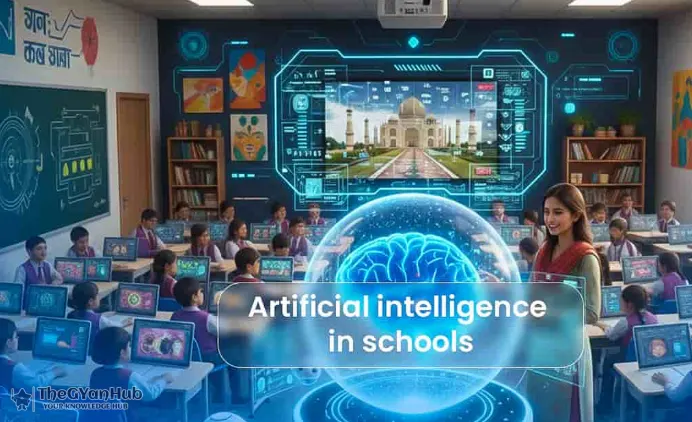
India's public schools serve a vast population, yet they often lack the necessary infrastructure and resources to integrate modern technologies effectively. Many schools are still reliant on traditional teaching methods, which do not cater to the evolving needs of students in a digital age. This situation raises concerns about the quality of education and the preparedness of students for future challenges.
Lack of Infrastructure: Many public schools struggle with inadequate facilities, including poor internet connectivity and outdated teaching materials.
Insufficient Training for Teachers: Educators often lack the training needed to effectively incorporate AI and technology into their teaching practices.
Resource Allocation: Public schools frequently face budget constraints that limit their ability to invest in new technologies.
AI has the potential to revolutionize education by providing personalized learning experiences, automating administrative tasks, and enhancing student engagement. However, the benefits of AI are not reaching students in public schools due to the aforementioned challenges. This divide not only affects academic performance but also limits future opportunities for these students.
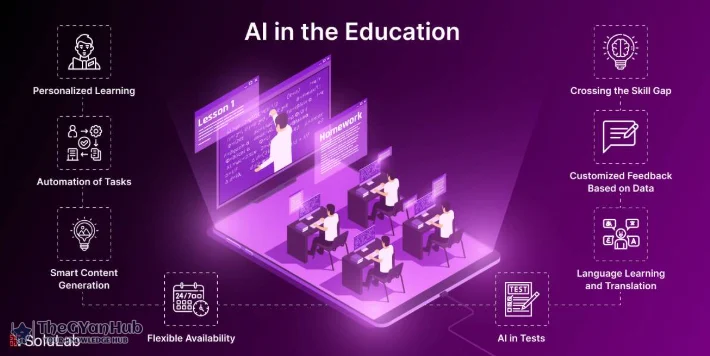
In contrast to public schools, many private institutions are successfully integrating AI into their curricula. For instance, AI-driven platforms can analyze student performance and tailor educational content to meet individual needs. This personalized approach has shown promising results in enhancing student learning outcomes.
To address the AI divide in India’s public schools, several measures can be implemented:
Investment in Infrastructure: The government and private sector should collaborate to improve internet access and technological resources in public schools.
Teacher Training Programs: Comprehensive training programs should be established to equip teachers with the skills needed to utilize AI effectively.
Policy Reforms: Educational policies must prioritize equitable access to technology, ensuring that all students benefit from advancements in AI.
The AI divide is a pressing issue that requires immediate attention. By investing in infrastructure, training, and policy reforms, India can ensure that all students, regardless of their background, have access to the benefits of AI in education. Bridging this gap is essential for fostering an inclusive and equitable educational landscape.

March 19, 2026
Gorilla Technology has partnered with Yotta to deploy over 5,000 GPUs in India, marking a significant step in enhancing AI infrastructure in the region. This collaboration aims to boost technological advancements and support various industries.

March 16, 2026
Aman Gottumukkala, an Indian-origin tech expert, is set to join Elon Musk's xAI team, aiming to challenge Claude in the AI landscape. This collaboration highlights the growing influence of diverse talent in the tech industry.
March 15, 2026
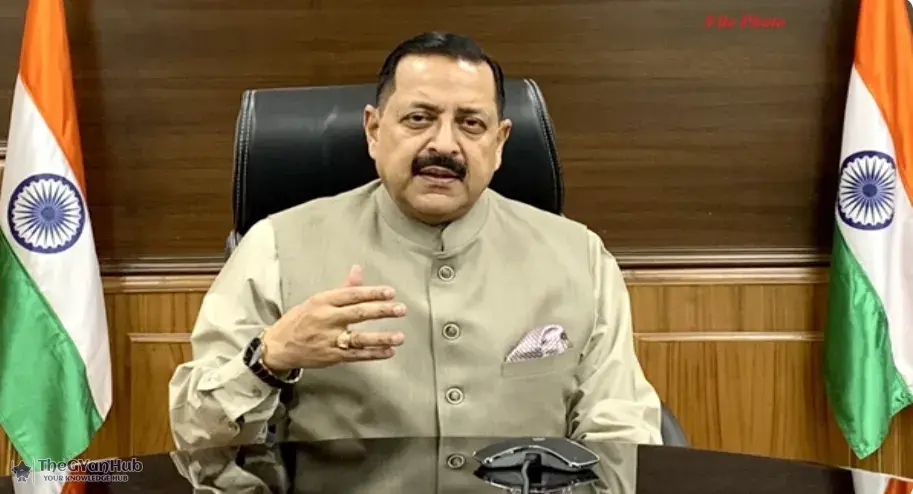
Dr. Jitendra Singh announces a transformative phase in India's development driven by technology, emphasizing innovation and digital infrastructure as key components for future growth.

I’m a passionate writer who loves exploring ideas, sharing stories, and connecting with readers through meaningful content.I’m dedicated to sharing insights and stories that make readers think, feel, and discover something new.